The compact crossover segment is the engine room of the automotive industry. While they may lack the glamour of supercars or the utility of heavy-duty pickups, these vehicles are the backbone of modern transportation. They offer the “Goldilocks” solution for most consumers: small enough to maneuver easily, large enough to accommodate families and gear, and efficient enough to manage modern fuel costs.
As we look toward 2026, the competition is fiercer than ever. The market is currently defined by a massive shift toward hybridization, as manufacturers race to provide better fuel economy without the “range anxiety” associated with fully electric vehicles.
Here is a breakdown of the top contenders in the 2026 compact crossover arena, categorized by what they do best.
The Market Leaders: Reliability and Efficiency
If you want a vehicle that holds its value and does everything well without much fuss, these two are the industry benchmarks.
Toyota RAV4
The RAV4 remains the king of the segment. For 2026, Toyota has moved to an all-hybrid lineup, offering both standard hybrids and Plug-in Hybrids (PHEV).
* Pros: Exceptional fuel economy (up to 44 MPG); high resale value; versatile trims ranging from the rugged Woodland to the athletic GR Sport.
* Cons: The interior design is highly utilitarian and “boxy,” which may feel uninspired to some.
* Best For: The buyer who wants a proven, economical, and highly efficient daily driver.
Honda CR-V
The CR-V is the RAV4’s primary rival, often cited as the more “refined” choice. While it offers gas engines, its hybrid trims are the real stars.
* Pros: Superior passenger and cargo space; a premium, minimalist interior; excellent driving dynamics.
* Cons: It lacks the sheer variety of hybrid configurations found in the Toyota.
* Best For: Families and commuters who prioritize cabin comfort and a smooth ride.
The Tech and Style Enthusiasts
For drivers who view their vehicle as an extension of their digital life, these models offer the most advanced interfaces.
Hyundai Tucson & Kia Sportage
These “corporate cousins” are the leaders in interior technology. Both feature massive, curved digital displays that feel more at home in a luxury vehicle than a mainstream crossover.
* Pros: Class-leading infotainment; diverse powertrain options (Gas, Hybrid, and PHEV); modern, striking designs.
* Cons: The driving experience is comfortable but lacks the “soul” or engagement of a Mazda or Volkswagen.
* Best For: Tech-savvy buyers who want the latest software and high-end digital integration.
Volkswagen Tiguan
The Tiguan offers a more European driving experience, focusing on sharp handling and a sophisticated aesthetic.
* Pros: Sharp driving dynamics; high horsepower in the SEL R-Line Turbo trim; a return to more physical controls.
* Cons: A firmer, less forgiving ride; lacks a hybrid option.
* Best For: Drivers who want a “premium” feel and more engaging performance.
The Specialists: Off-Road and Driving Dynamics
Not every crossover is meant for the suburbs. Some are built for the twisty backroads or the dirt trails.
Mazda CX-5
Mazda has long targeted the “driver” in the crossover segment. The 2026 redesign addresses previous criticisms regarding interior space, though it makes some controversial tech changes.
* Pros: Best-in-class handling; improved rear seat and cargo room.
* Cons: The removal of physical buttons in favor of a touchscreen; the loss of the powerful Turbo model in the standard lineup.
* Best For: Enthusiasts who want a crossover that actually feels fun to drive.
Subaru Forester
Subaru remains the go-to for those with an active, outdoor lifestyle.
* Pros: Standard Symmetrical All-Wheel Drive; highly capable in snow and dirt; rugged Wilderness trim.
* Cons: Design is functional rather than flashy.
* Best For: Outdoor adventurers and those living in climates with heavy snow.
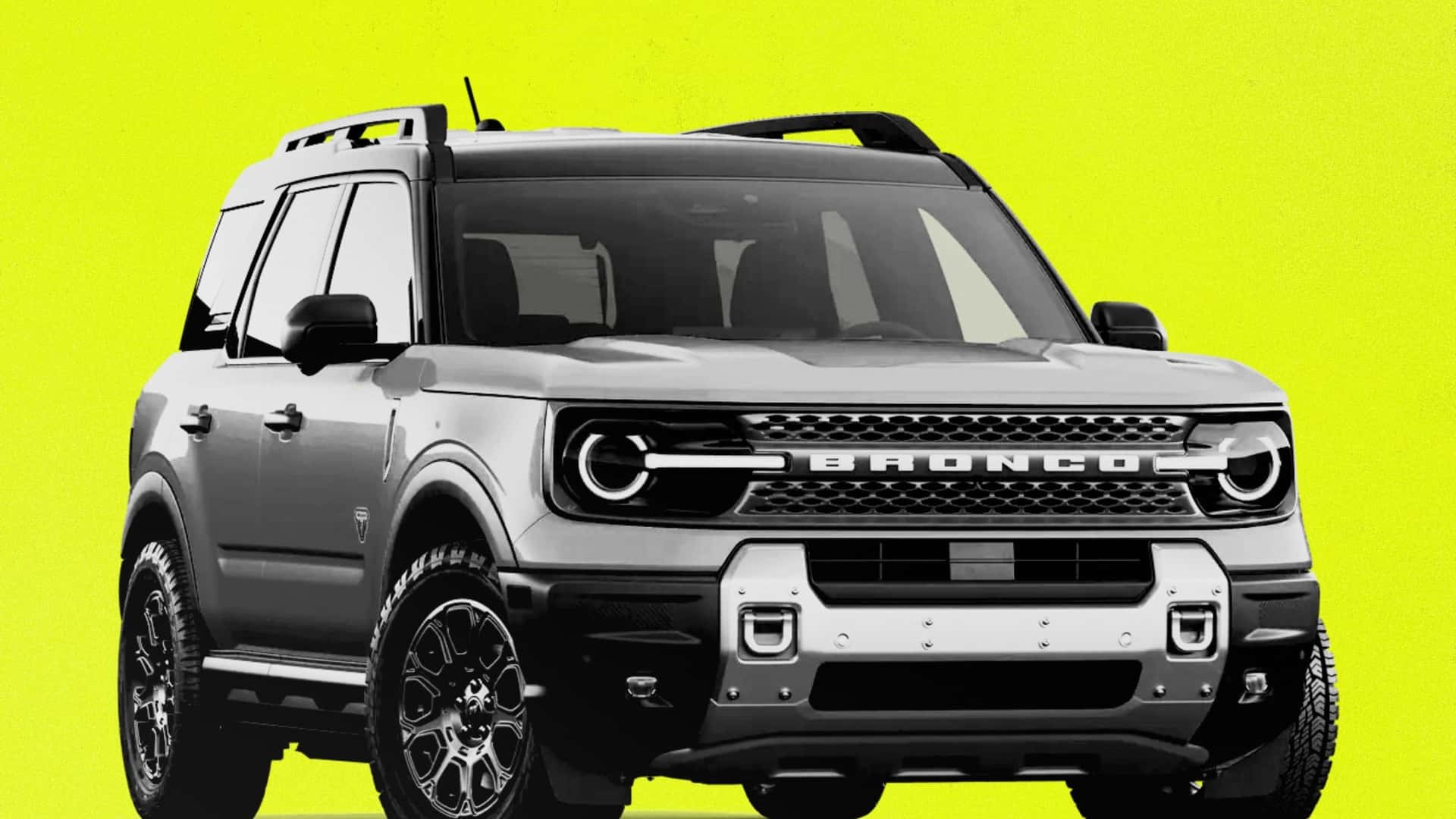
Ford Bronco Sport
While it shares DNA with the Ford Escape, the Bronco Sport is a distinct beast, especially in the Sasquatch trim.
* Pros: Genuine off-road capability (locking differentials, all-terrain tires); rugged styling.
* Cons: Less refined for long-distance highway cruising compared to a CR-V.
* Best For: Weekend warriors looking for a small, capable off-roader.
The Value and Practicality Picks
Nissan Rogue
The Rogue is a strong middle-ground option, often benefiting from aggressive financing and high tech-per-dollar ratios.
* Pros: Comfortable ride; great tech; budget-friendly.
* Cons: A somewhat disjointed hybrid lineup (the PHEV is essentially a rebadged Mitsubishi).
* Best For: Practical buyers looking for a comfortable, high-value commuter.
Chevrolet Equinox
The Equinox is the definition of “doing enough.” It is a straightforward, no-nonsense American offering.
* Pros: Affordable entry price; multiple personality trims (Activ, RS ).
* Cons: Lacks a hybrid option; the current transmission in front-wheel-drive models is a known weak point (wait for the 2027 8-speed update).
* Best For: Budget-conscious buyers who want a simple, reliable tool for transportation.
Summary Comparison
| Vehicle | Primary Strength | Key Trade-off |
|---|---|---|
| Toyota RAV4 | Efficiency & Resale | Basic Interior |
| Honda CR-V | Comfort & Space | Fewer Hybrid Options |
| Mazda CX-5 | Driving Dynamics | Less Physical Controls |
| Hyundai/Kia | Cutting-edge Tech | Less “Fun” to Drive |
| Subaru Forester | Off-road/Snow | Utilitarian Styling |
| VW Tiguan | European Handling | Firmer Ride |
Conclusion: Choosing the right 2026 compact crossover depends entirely on your priority: choose Toyota or Honda for long-term value and efficiency, Hyundai or Kia for technology, Mazda or VW for driving pleasure, and Subaru or Ford for adventure.