Honda is effectively halting a cornerstone of its North American electrification strategy. The Japanese automaker has indefinitely postponed plans to build a massive electric vehicle (EV) manufacturing hub in Ontario, Canada—a project that was once touted as a C$15 billion ($10.8 billion USD) investment anchor.
According to reports from Nikkei Asia, the facility, originally scheduled to open in 2028, has been delayed further and may be cancelled entirely. This decision marks a significant pivot for Honda, which is now consolidating its EV production efforts in Ohio and scaling back its broader global EV ambitions amid sluggish sales and shifting consumer preferences.
The Collapse of the Ontario Project
The Ontario project was announced with considerable fanfare in April 2024. It promised to create a comprehensive ecosystem for electric mobility, including:
* A vehicle assembly plant capable of producing 240,000 EVs annually.
* A dedicated battery manufacturing facility with a capacity of 36 GWh per year.
* Significant financial backing from both Honda and the Canadian government.
Despite these ambitious plans, the project has stalled. Instead of expanding its footprint in Canada, Honda is redirecting resources to its existing plants in Ohio, USA. There, the company has invested approximately US$1 billion to retrofit lines that can produce EVs, hybrids, and internal combustion engine (ICE) vehicles simultaneously. This flexible approach allows Honda to adjust production volumes based on real-time demand, rather than committing to dedicated EV facilities that risk underutilization.
Why this matters: The cancellation highlights a broader trend in the auto industry: the move away from “EV-only” factories toward flexible manufacturing. As EV adoption slows in key markets, automakers are prioritizing agility over specialized infrastructure.
A Broader Retreat from Pure Electric Ambitions
The Ontario delay is not an isolated incident but part of a wider strategic contraction. In mid-2025, Honda announced it would slash its total EV investment by 30%, reducing the planned spend from ¥10 trillion ($67 billion USD) to ¥7 trillion ($47 billion USD) through 2030.
This financial retreat is accompanied by a severe pruning of its product lineup:
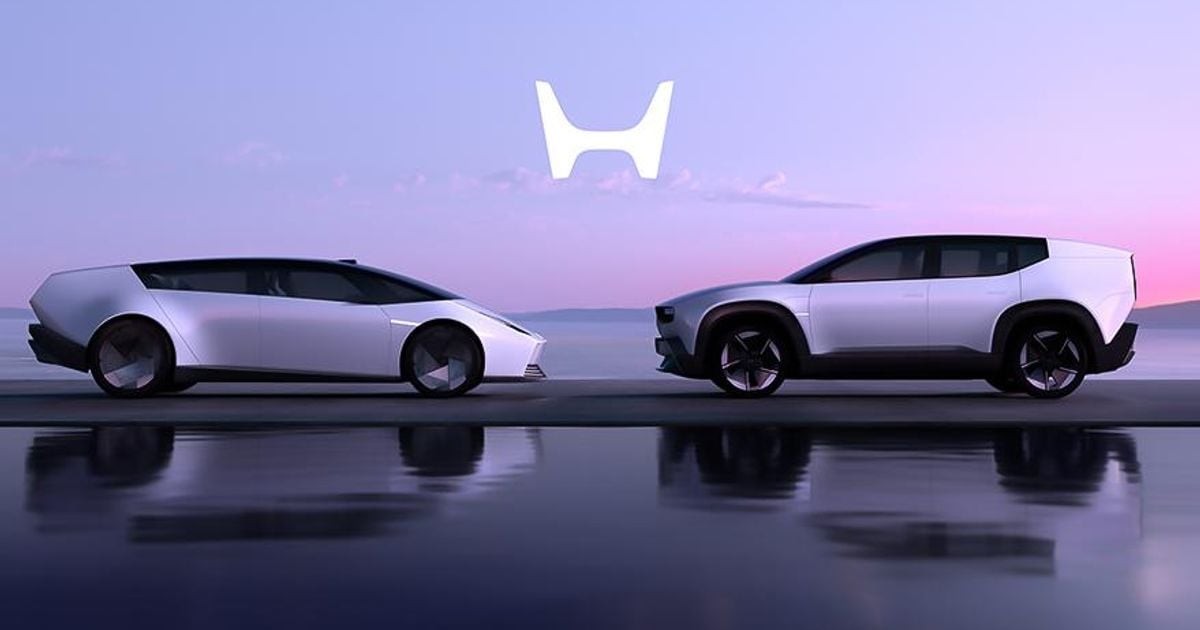
* Cancelled Models: Two of the three planned “0 Series” EVs—a futuristic sedan and an SUV intended for the US and Australia—have been axed. The electric Acura RSX has also been cancelled.
* Surviving Models: Only the 0 Alpha, a small SUV to be manufactured in India, remains on the roadmap. It is expected to launch in 2027 and may still reach Australian showrooms.
* US Market Exit: The current flagship EV, the Honda Prologue, is reportedly being discontinued after poor sales forced the company to offer substantial dealer incentives. Its luxury sibling, the Acura ZDX, was already discontinued.
Consequently, Honda is currently without a dedicated EV in US showrooms. This leaves a significant gap in a market where competitors like Hyundai (three EVs) and Toyota (two EVs) maintain a presence, even as many brands pivot toward hybrids.
The Hybrid Pivot and Market Realities
Honda’s struggles mirror those of other major automakers, particularly Ford. Both companies have faced billions in losses from their EV divisions, leading to a renewed focus on hybrid and plug-in hybrid vehicles. Ford, for instance, recently cancelled its own Ontario EV SUV plans to prioritize V8 engines for its profitable F-Series trucks.
The data suggests that pure electric vehicles are not yet meeting demand expectations in key markets:
* China: Honda saw a 60% decline in sales in 2025, a critical market where EV adoption is fierce and competition is intense.
* United States: Despite being Honda’s largest market (1.43 million units sold in 2025), EV uptake has been slow. The company leveraged its existing US manufacturing base to mitigate tariff disruptions, but the lack of consumer enthusiasm for pure EVs has forced a strategic rethink.
Implications for Australia
For Australian consumers, the impact is nuanced. Honda Australia remains one of the few Japanese brands posting growth, with a 9.2% year-on-year increase in 2025 driven by the CR-V hybrid and SUV.
However, the global EV slowdown affects local plans:
* First Local EV: Honda Australia will launch its first locally available EV, the city-sized Super-One, in the second half of 2026.
* Limited Pipeline: With the cancellation of most 0 Series models, Honda’s future EV portfolio in Australia will be sparse. The focus will likely remain on expanding hybrid offerings, such as the updated CR-V range and the upcoming Prelude sports car.
* Market Context: In early 2026, Honda Australia saw a slight 1.0% sales decline, contrasting with a 3.8% rise in the overall new-car market. Notably, the Australian EV market share hit a record 16.4% in April 2026, driven by high fuel prices, suggesting that while Honda is pulling back, local demand for electrification remains strong.
Conclusion
Honda’s indefinite postponement of its Canadian EV plant is a clear signal that the initial rush toward pure electric mobility has cooled. By canceling dedicated EV factories and models in favor of flexible hybrid production, Honda is aligning its strategy with current market realities: consumers are buying fewer pure EVs and more hybrids. While this protects Honda’s bottom line, it leaves a void in the US market and limits the variety of electric options available to global customers, including those in Australia.