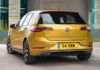
Peugeot уже давно специализируется на компактных семейных хэтчбеках, совершенствуя более мелкие модели с тех пор, как в 1993 году произошел переход от угловатого 309 к более обтекаемому 306. 308 модельного года 2025 продолжает эту тенденцию, превращаясь в более солидное предложение, сохраняя при этом узнаваемый стиль.
Дизайн и Габариты
Последняя версия 308 значительно выросла, добавив 55 мм к колесной базе. При общей длине 4365 мм она на более чем 100 мм длиннее своего предшественника, шире и немного выше, хотя и слегка ниже для более спортивной посадки. Peugeot по-прежнему предлагает версию «SW» в кузове универсал с удлиненной колесной базой и задним свесом. Несмотря на увеличение габаритов, 308 остается немного короче конкурентов, таких как Ford Focus, Seat Leon и Toyota Corolla, но сопоставима по практичности с моделями, такими как Skoda Octavia и Honda Civic.
Механическая Основа и Варианты Двигателей
Механически 308 во многом схожа с другими автомобилями Stellantis, такими как Vauxhall Astra и DS N°4, построенными на архитектуре EMP2 v3. Эта платформа поддерживает широкий спектр силовых установок, включая двигатели внутреннего сгорания (ДВС), гибридные системы и полностью электрические варианты.
i-Cockpit: Спорный Дизайнерский Выбор
Фирменный i-Cockpit от Peugeot остается центральной особенностью, сочетая небольшое рулевое колесо с высоко расположенной приборной панелью. Несмотря на противоречивость, это определяющий элемент подхода бренда к эргономике. Хотя некоторые тестеры по-прежнему считают компоновку неинтуитивной после десяти лет доработок, в 308, с ее более низкой посадкой, она работает лучше, чем в более мелких моделях, таких как 208. Цифровая приборная панель установлена в стандартной комплектации, хотя исходное расположение приборов (перевернутый спидометр и тахометр) сохраняется.
Интерьер и Комфорт
В салоне предлагается полупремиальный опыт с дерзкими геометрическими линиями, металлической отделкой и привлекательной текстильной обивкой. Достаточно места для хранения, поскольку Peugeot наконец-то интегрировал блок предохранителей в праворульные версии, создав полноценный перчаточный отсек. Передние сиденья обеспечивают хорошую поддержку, но водителям высокого роста может потребоваться больше регулировки подголовника и поясничной поддержки. Заднее сиденье остается компактным, подходящим для детей, но менее удобным для взрослых. Версия универсал предлагает больше места сзади благодаря более длинной колесной базе. Объем багажника приличный, хотя у хэтчбека имеется заметный порог погрузки; гибридные версии предлагают немного меньший объем грузового отсека (412 литров против 314 литров).
Мультимедиа и Управление
Peugeot использует неожиданный подход к физическим элементам управления, предлагая кнопочные клавиши в стиле пианино для базовых функций и опциональные поворотные регуляторы климат-контроля в среднеуровневых комплектациях. Топовые комплектации «GT» оснащены настраиваемыми «i-Toggles» в качестве ярлыков, но в целом система уступает конкурентам по скорости реакции и удобству использования. Информационно-развлекательная система может быть чрезмерно предписывающей и навязчивой, предупреждая водителей, если они слишком долго смотрят на экран вместо дороги.
Производительность Двигателя и Управляемость
Большинство моделей в Великобритании будут оснащены 1,2-литровым трехцилиндровым турбомотором Stellantis. Хотя он хорошо знаком, его изысканность варьируется в зависимости от автомобиля; в 308 он примечательно тихий и тяговитый, разгоняясь до 60 миль/ч (около 96 км/ч) за 9,5 секунды. Гибридная версия, однако, не является значительным улучшением, уступая в изысканности и эластичности на низких оборотах 1,5 eTSI от Volkswagen Group. Как бензиновая, так и гибридная модели демонстрируют тенденцию к рысканию по передачам на низких скоростях. Обновленный подключаемый гибрид предлагает увеличенный запас хода на электротяге, но коробка передач с двойным сцеплением может быть грубой на низких скоростях. Торможение эффективное, автомобиль останавливается со скорости 70 миль/ч (около 112 км/ч) менее чем за 45 метров.
Динамика Вождения
308 превосходна в качестве езды, с большим ходом подвески и хорошо настроенными амортизаторами. Она ощущается собранной и вовлекающей, позволяя добиться плавной управляемости и игривого вождения. Рулевое управление, хотя и более тяжелое на низких скоростях из-за усилителя, становится более отзывчивым на открытых дорогах. Шасси кажется ловким, поощряя уверенное прохождение поворотов. Гибридный вариант тяжелее, но сохраняет большую часть той же динамики, хотя и кажется менее резким, чем бензиновая модель.
В целом, Peugeot 308 2025 предлагает убедительное сочетание стиля, комфорта и динамики вождения. Хотя i-Cockpit остается спорным, усовершенствованный интерьер автомобиля, эффективные двигатели и увлекательное управление делают его сильным претендентом на конкурентном рынке семейных хэтчбеков.