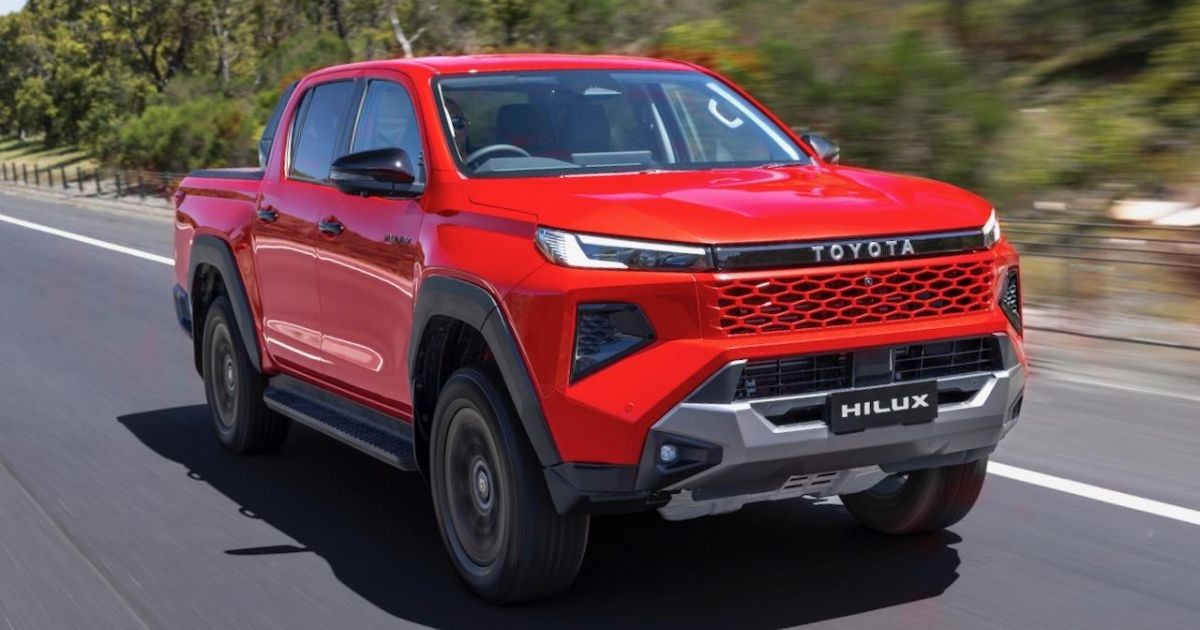
Toyota’s latest HiLux isn’t the ground-up redesign many expected, but a substantial refresh of the existing model. While some may see this as a cost-cutting measure or even arrogance, Toyota insists it’s a pragmatic response to market pressures and customer feedback.
The Market Reality
The HiLux remains a strong seller, but the Ford Ranger has surpassed it in popularity. Automakers are now prioritizing strategic updates over full redesigns to save costs, navigate tightening regulations, and counter rising competition from Chinese brands. The New Vehicle Efficiency Standard in Australia, coupled with global shifts toward electric vehicles, adds urgency to this approach.
What’s New?
The 2026 HiLux features a revised exterior, a completely new interior, updated suspension, and electric power steering. Despite the major facelift, the cab structure remains unchanged from the previous generation. Toyota states that 51% of buyers are repeat customers, suggesting the existing platform still meets their needs.
Pricing and Variants
There are 16 variants available, ranging from $33,990 for the basic 4×2 WorkMate to $71,990 for the Rogue and Rugged X 4×4 models. Prices have increased on nine variants, by between $460 and $4300. The HiLux offers a wider range of options than some competitors, but Ford’s Ranger lineup remains more extensive.
Interior Improvements, With Caveats
The interior is the most noticeable upgrade, featuring a 12.3-inch touchscreen, digital instrument cluster, and redesigned seats. However, the cabin still feels somewhat cramped, with no significant increase in space compared to the previous model. Some quality control issues—like misaligned trim pieces and rough door handles—were noted during testing.
Engine and Performance
The 2.8-liter turbo-diesel engine remains standard, delivering 150kW of power and up to 500Nm of torque with the automatic transmission. Some variants now include a 48-volt mild-hybrid system to improve fuel efficiency. Fuel consumption ranges from 7.1 to 8.1L/100km, depending on the variant.
Ride Quality Concerns
The HiLux now features two suspension tunes: heavy-duty for work and a comfort-oriented option. However, despite the updates, ride quality remains a weak point. The comfort-tuned suspension still feels harsh on rough roads, with poor torsional rigidity exacerbating the issue. Some testers found the ride to be unforgivably uncomfortable, even on relatively smooth surfaces.
Off-Road Capability
The HiLux retains its reputation as a capable off-roader, with high- and low-range gearing, a rear locking differential, and multi-terrain modes. It handles challenging terrain with ease, though competitors like the Ranger may offer more advanced technology.
Final Verdict
The 2026 Toyota HiLux is a smart business decision, not necessarily a revolutionary update. Toyota has listened to its customers and made meaningful improvements where it mattered most. But the ride quality remains a significant drawback, especially on rough terrain. The HiLux remains a competitive workhorse, but it’s no longer the clear comfort leader in its class.