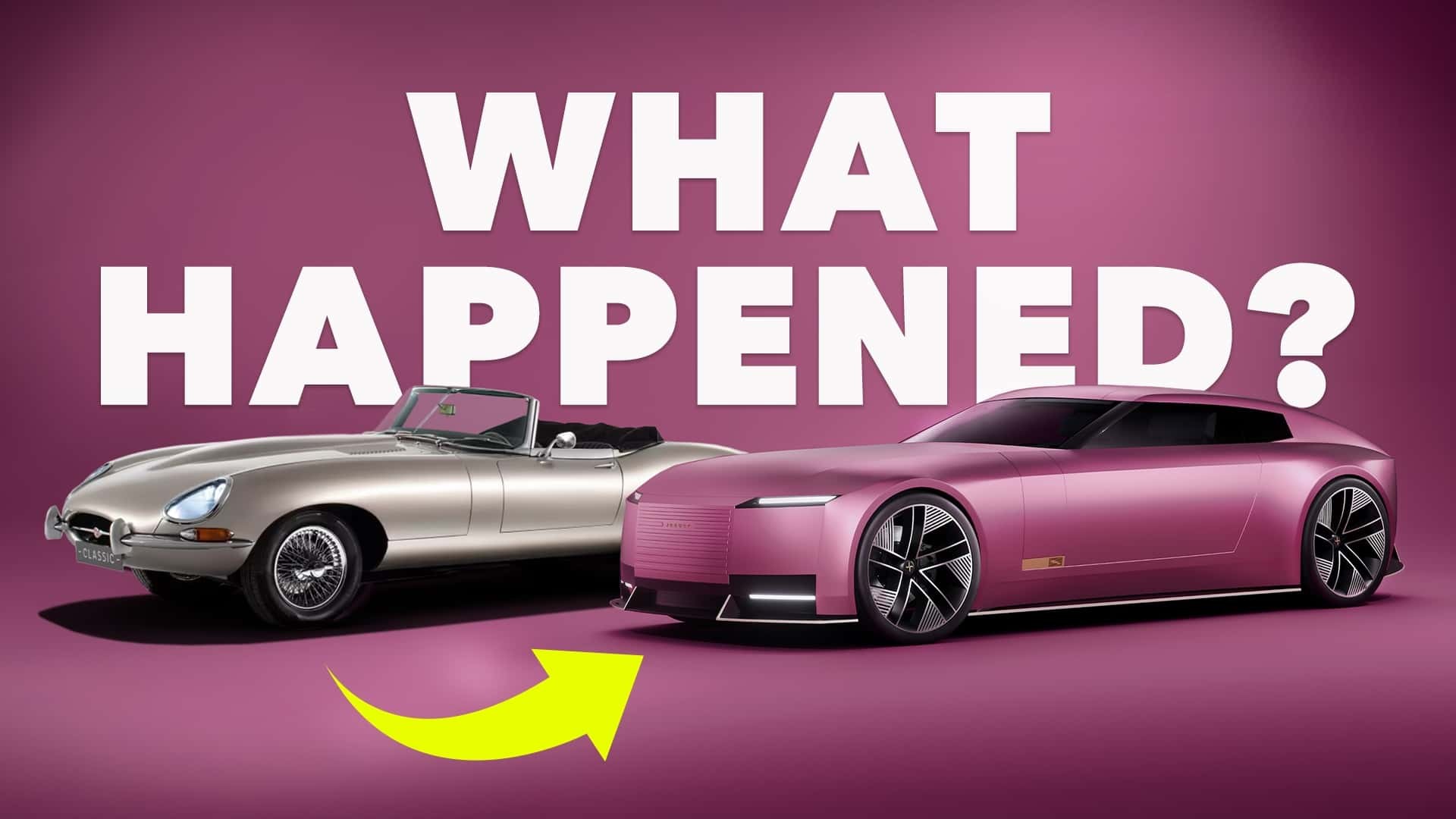
Jaguar, once synonymous with elegant performance and timeless design, now finds itself at a critical crossroads. The brand – famous for classics like the E-Type and the bold F-Type – has been reduced to selling a single model, the aging F-Pace, while undergoing a dramatic, and chaotic, transformation into an all-electric automaker. This shift has left dealerships empty and consumers questioning the future of a once-legendary marque.
A Legacy Undone
Jaguar’s origins trace back to 1922, starting as the Swallow Sidecar Company before evolving into SS Cars and ultimately, Jaguar in 1945. The brand built its reputation on vehicles that balanced luxury, performance, and style – epitomized by the “Grace, Space, and Pace” slogan. Models like the C-Type, D-Type, and later sedans cemented Jaguar’s place in automotive history.
However, the story took a turn under Ford’s ownership. Gerry McGovern, a key figure in Land Rover’s design success (including the acclaimed current Defender), rose through the ranks, shaping Jaguar’s aesthetic direction from 2011 onward. Despite mixed reactions to some designs, like the Discovery 5, McGovern’s influence was undeniable.
The EV Pivot and Product Crisis
Today, Jaguar’s product lineup is in disarray. The F-Type and XF have been discontinued, while the E-Pace and XE were lackluster performers. The brand announced a complete transition to electric vehicles, a move that effectively halted sales in 2025 as dealers struggled with empty showrooms.
The Type 00 Concept, unveiled as a glimpse into Jaguar’s electric future, failed to resonate. Competitors like Mercedes-Benz and Audi released similar concepts to positive reviews, but Jaguar’s marketing campaign underwhelmed. This misstep was compounded by reports of infighting and questionable leadership decisions, including unconfirmed claims of design chief Gerry McGovern being fired.
Beyond Leadership: Systemic Issues
The issues at Jaguar extend beyond a single individual. The company’s reliance on an external agency for its rebrand alienated many fans, who felt the new direction strayed too far from the brand’s core identity. This miscalculation, combined with a crippling cyberattack earlier in the year (costing the company nearly $250 million), further destabilized operations.
The Path Forward
Jaguar must act decisively to avoid becoming a footnote in automotive history. A refreshed F-Pace is a start, but the brand needs a comprehensive product strategy: a proper sports car, a compelling sedan, and a clear vision for its electric future. Reviving iconic elements, like the Leaper hood ornament, could also rekindle brand loyalty.
In short, Jaguar needs to rediscover what made it special while embracing the future. The brand’s survival depends on restoring its core values, delivering tangible products, and regaining the trust of both enthusiasts and consumers.