
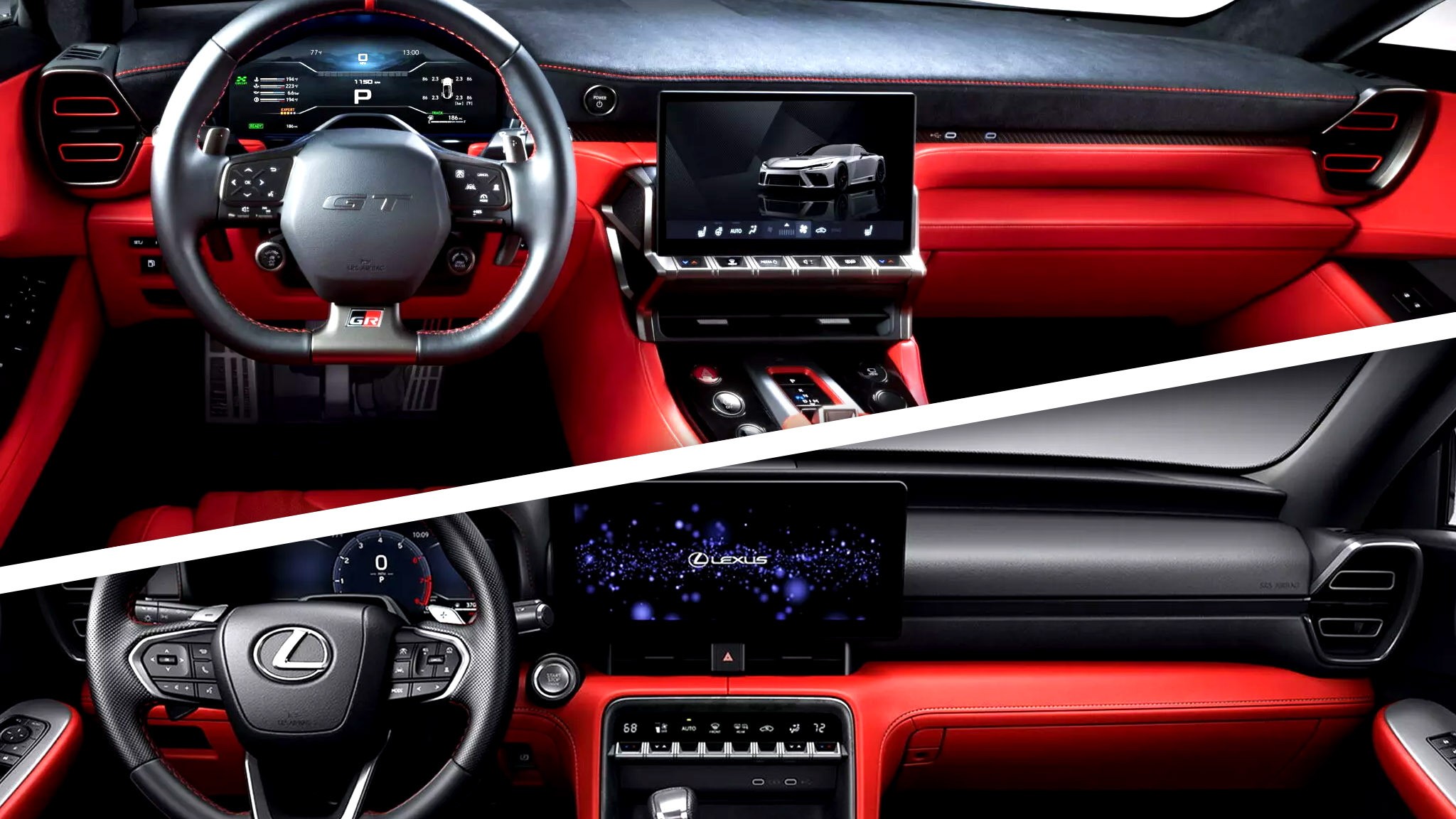
Новий суперкар Toyota GR GT, створений як флагманська продуктивна модель бренду, має дивовижну деталь: у ньому використовуються компоненти інтер’єру, майже ідентичні тим, що є в Lexus IS, одному з найдоступніших седанів компанії. Це не обов’язково ознака економії, а скоріше поширена практика в автомобільній промисловості, де виробники часто повторно використовують запчастини в різних моделях — навіть тих, що знаходяться на протилежних кінцях цінового спектру.
Загальні елементи дизайну
Найбільш помітне перекриття є у внутрішній обробці, особливо в вентиляційних отворах і оббивці. GR GT має вентиляційні отвори, які, здається, безпосередньо запозичені у Lexus IS, моделі, яка отримала численні оновлення з моменту свого дебюту в 2013 році. Відтінки оббивки також разюче схожі на Lexus Radiant Red. У той час як GR GT додає преміальні штрихи, такі як замша та вуглецеве волокно, фундаментальний дизайн деяких компонентів залишається незмінним.
Чому це відбувається: використання платформи та економія коштів
Ця практика, відома як платформер, не є унікальною для Toyota. Автовиробники регулярно повторно використовують запчастини, щоб зменшити витрати на розробку та оптимізувати виробництво. GR GT міг бути розроблений з урахуванням цих компонентів із самого початку, і Toyota могла б пізніше перепрофілювати їх для старіючого IS, щоб вдихнути нове життя в седан.
Це не нова тенденція. Автомобільна промисловість має довгу історію спільних деталей, від перемикачів Audi, які використовували Lamborghini, до задніх ліхтарів автобусів, позичених McLaren. Ці рішення спрямовані не на зниження вартості продукту, а на ефективне використання наявних ресурсів.
За межами інтер’єру: що ще є загальним?
Крім інтер’єру, перемикачі вікон і дзеркал також майже ідентичні, що свідчить про те, що Toyota використовує свій широкий каталог запчастин для різних брендів. GR GT справді має унікальні елементи, такі як селектор коробки передач (дещо схожий на Toyota RAV4) і пелюсткові перемикачі на кермі. Однак базова мова дизайну певних компонентів, безсумнівно, поширена.
Майбутнє використання платформи
Ймовірно, ця тенденція збережеться. У міру розвитку таких виробничих технологій, як 3D-друк, автовиробники можуть знайти ще більше способів диференціювати продукти, використовуючи однакові основні компоненти. Цифрові функції, такі як панелі приладів та інформаційно-розважальні дисплеї, можна легко переробити, що зробить платформу ще більш зручною у використанні. Очікуйте, що схожі деталі будуть перероблені в майбутніх моделях Gazoo Racing, таких як відроджена Celica або MR2.
Зрештою, спільні компоненти в Toyota GR GT підкреслюють практичну реальність сучасного автомобілебудування: Навіть суперкари покладаються на рентабельні дизайнерські рішення та спільні ресурси. Це нагадування, що розкіш і продуктивність не завжди вимагають повністю унікальної техніки.