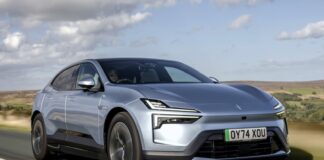
Kia plans to integrate more digital technology into its future vehicles while strategically retaining physical buttons for essential functions. This approach contrasts with some competitors, particularly emerging Chinese brands, that are aggressively pushing minimalist, nearly buttonless interiors. The decision reflects Kia’s global focus and a commitment to usability over novelty.
The Value of Balance
Jochen Paesen, Kia’s interior design chief, emphasized the importance of finding a “balance” between digital features and tactile controls. According to Paesen, certain functions – those requiring immediate access without distraction – must remain physical.
“There are certain functions you need to find straight away and you don’t want to mess up, so we keep them physical. Now we’re learning from that to increase the digital and experiential component.”
This isn’t simply a matter of preference; it’s about driver safety and intuitive operation. Excessive reliance on touchscreen menus can increase reaction times, particularly in critical situations.
Learning from the Competition
Kia acknowledges the rapid innovation coming from Chinese automakers, who are experimenting with radical interior designs. Paesen praised their willingness to push boundaries, but cautioned against blindly chasing novelty without considering practicality.
The key, he stated, is ensuring new technology adds genuine value to the driving experience. Simply adding more “bells and whistles” doesn’t equal progress. Kia’s strategy is to analyze what works, refine it, and apply it thoughtfully across its global markets.
The Universal Need for Simplicity
Kia’s research indicates a consistent preference for ease of use, regardless of geographic location or tech-savviness. Paesen noted that complex menu structures—requiring multiple steps to access basic functions—are frustrating for all drivers.
“If to get to a function you have to go down three steps [in a menu], that’s bad for everybody.”
The company’s goal is to evolve interiors so that they assist drivers rather than requiring them to learn complex systems. This means minimizing steps and making essential controls accessible with minimal effort.
The Future of In-Car Tech
Kia is entering a phase where the focus shifts from pure novelty to delivering meaningful improvements. The next step for the brand is to strengthen its technological offerings while also refining the user experience. This involves not only implementing new features but also improving how those features interact with drivers, making them more intuitive and efficient.
Kia’s approach highlights a broader trend in automotive design: a growing recognition that technology must serve the driver, not the other way around. The company is betting that a blend of digital innovation and physical usability will resonate with a global audience seeking both cutting-edge features and a comfortable, intuitive driving experience.