Porsche’s Panamera continues to outsell its electric sibling, the Taycan, despite the latter’s initial promise of speed and sleekness. Recent spy shots reveal Porsche is preparing a mid-life refresh for the Panamera, scheduled for the 2028 model year, as demand for the combustion-powered sedan remains strong. This comes at a time when luxury EV sales are cooling, while the Panamera is only slightly down in sales.
Panamera’s Mid-Cycle Refresh
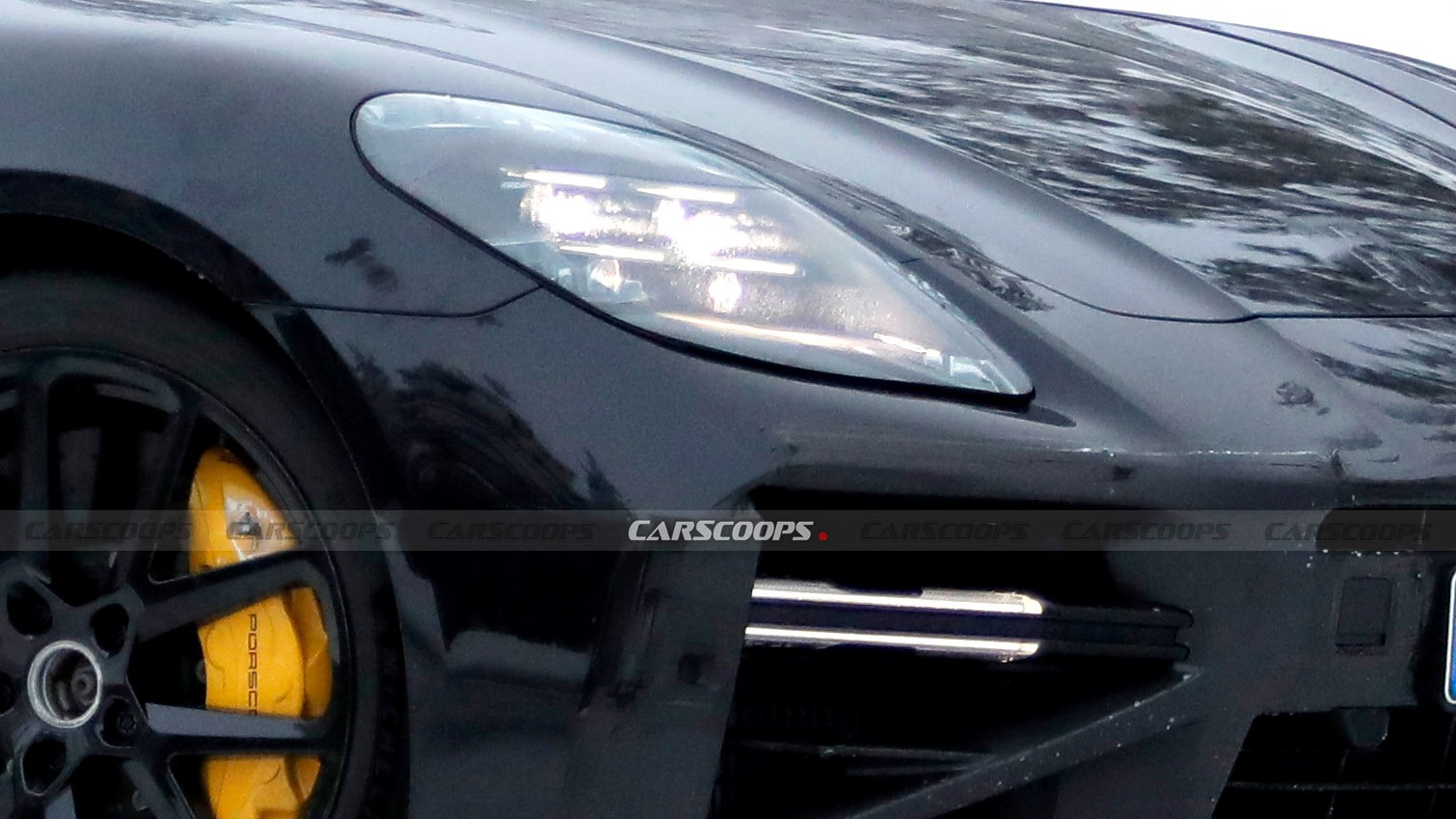
The current Panamera generation, first introduced in 2016 with a major update in 2023, is due for a facelift. Prototype testing in Scandinavia confirms this, with visible changes to the front and rear fascias.
Key visual updates include reworked bumpers and redesigned headlights. The illuminated Porsche logo has been repositioned within the Matrix LED units for a sharper, more modern appearance. A new windscreen houses updated radar hardware, likely borrowed from the Macan EV, further enhancing the vehicle’s technology. The rear also receives revisions to the bumper and diffuser, though these remain obscured by camouflage.
The Hybrid Advantage
The Panamera’s success is largely due to its hybrid powertrain options. While the Taycan boasts superior straight-line performance, global sales fell by 22% in 2025 as luxury EV demand slowed. Porsche’s overall sales decreased by 10%, but the Panamera’s drop was a modest 6%.
Notably, the Panamera sold nearly 70% more units than the Taycan. This highlights the appeal of hybrid technology, offering a blend of performance, comfort, and electrification without the range anxiety associated with full EVs. Porsche has not yet confirmed powertrain details for the facelift, but it is unlikely to stray dramatically from the current lineup. Rumors suggest a high-performance GT3 RS-inspired variant may join the range.
Power and Pricing
The current Panamera lineup ranges from a 348 hp V6 base model (starting at $113,000) to the 771 hp Turbo S E Hybrid (priced at $242,500). Hybrid options span from 463 hp to the flagship Turbo S E Hybrid. These powertrains strike a balance between performance and practicality, appealing to buyers who want luxury without the limitations of an all-electric vehicle.
The Panamera may never match the Taycan in raw speed or aesthetics, but it is clearly winning where it matters most: in sales and customer preference.
The Panamera’s continued success demonstrates that combustion engines still hold significant appeal in the luxury market. Porsche’s decision to refresh the model underscores the reality that demand for traditional powertrains, especially in hybrid form, remains strong.