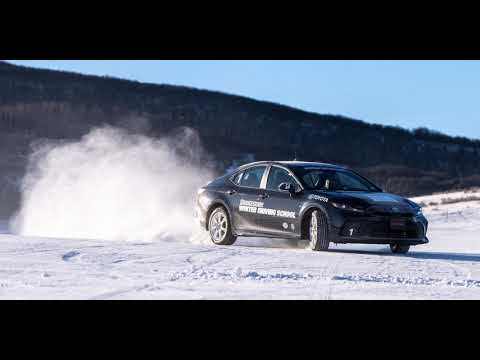
Bridgestone is releasing the Blizzak IcePeak winter tire, designed to replace the current DM-V2 and WS90 lines. This new tire meets both the three-peak mountain snowflake (3PMSF) standard for snow performance and the newer “ice grip” certification for braking on ice – making it Bridgestone’s first tire to achieve both.
The Evolution of Winter Tire Standards
The automotive industry introduced the 3PMSF test several years ago to give consumers a clear indicator of a tire’s snow traction. More recently, the “ice grip” standard was created in 2021 to evaluate braking performance on icy surfaces. Bridgestone chose to wait for a new model to integrate both certifications fully, rather than re-testing older lines. This decision reflects a balance between cost and market demand for fully certified tires.
Performance Improvements
Bridgestone claims the IcePeak offers improvements over its predecessors. Testing suggests performance comparable to Nokian’s Hakkapeliitta R5, with a 23% increase in acceleration compared to the WS90. More importantly, the tire is designed for longer wear, potentially giving drivers an extra season of use while also improving fuel efficiency due to reduced rolling resistance.
Innovative Tread Design
The IcePeak incorporates two key design features: protrusions at the edge of tread blocks to disrupt water flow and improve ice grip, and micro-grooves on the tread surface to enhance grip on new tires. Over time, as the tire wears, tiny bubbles in the rubber will take over this function. These innovations show a focus on both immediate and long-term performance.
Availability and Market Positioning
The IcePeak will be available in 107 sizes (14–22 inches), covering approximately 97% of cars, trucks, and SUVs. While Bridgestone also offers the Blizzak 6 for performance-oriented drivers, the IcePeak is positioned as a general-purpose winter tire for everyday vehicles. Pricing is expected to be competitive with existing models.
In conclusion, the Blizzak IcePeak represents an evolution in winter tire technology, combining improved performance, durability, and fuel efficiency. By meeting both major winter traction standards, it provides a clear value proposition for drivers preparing for colder months.