Automotive dealerships are facing a surge in sophisticated scams where criminals steal high-value vehicles by posing as legitimate transporters. For years, dealers have held an advantage due to their deep knowledge of vehicle logistics, but that same insider access is now being weaponized against them. The thefts, often involving six-figure cars, highlight critical security gaps in the industry’s increasingly complex shipping processes.
The Growing Problem
The scams are becoming more frequent as dealerships conduct more high-value transactions across state lines. Deals involving brokers, auctions, and multiple parties create openings for exploitation. Lainey Sibble of Cox Automotive points out that each “handoff point” in the process presents an opportunity for criminals to intervene.
One recent case involved Loeber Motors in Illinois, which purchased a $350,000 AMG G 63 from a Texas dealership. By the time the legitimate carrier arrived, someone else had already taken the SUV, prompting a lawsuit.
How Scammers Operate
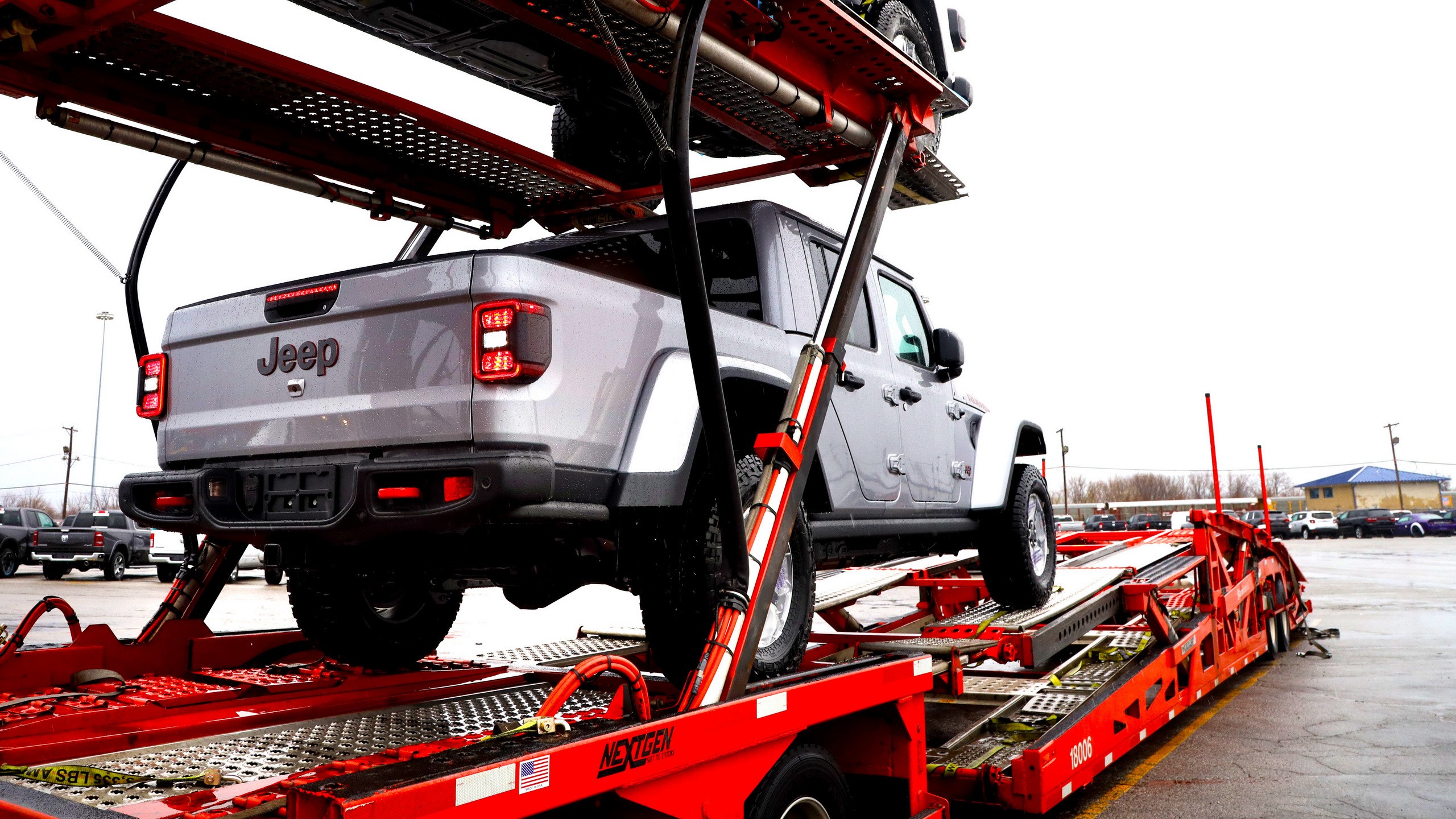
These thefts aren’t random; they are well-coordinated. Frank McKenna of Point Predictive explains that scammers use phishing, cloned websites, fake transport listings, and stolen credentials to impersonate real companies. Some monitor public listings, intercept shipments before legitimate carriers arrive, and use convincing paperwork to load vehicles onto trailers before disappearing.
Criminals sometimes transfer stolen cars to another truck immediately to cover their tracks. The process relies on exploiting communication breakdowns between dealerships, brokers, and transport companies.
Prevention Measures
The solution is straightforward: stricter verification. Dealers can verify drivers’ licenses against carrier records and contact transport companies directly before releasing vehicles.
Some are adopting two-factor authentication, QR-code verification, and other digital tools to ensure the right parties collect the cars. Skipping these steps leaves dealerships vulnerable to theft.
The rise in these scams underscores the need for improved due diligence in luxury car transactions. Without robust verification processes, dealerships will continue to lose vehicles—and money—to increasingly sophisticated criminal networks.