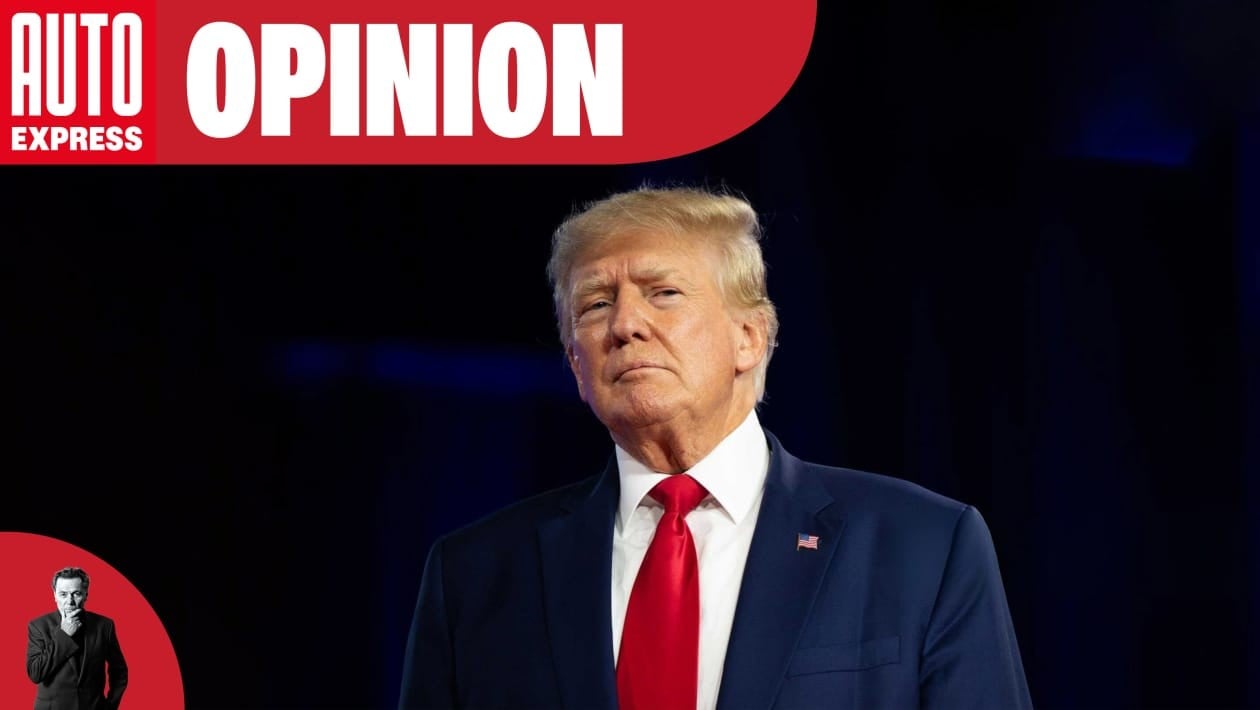
Donald Trump’s aggressive trade policies have reshaped the global auto industry, but the UK has largely failed to capitalize on the shifts. While Trump’s methods are unpredictable, his focus on bringing manufacturing jobs back to the US is undeniable – and effective.
The Tariffs as Leverage
Trump has openly admitted using tariffs as “negotiating weapons,” threatening manufacturers with steep costs if they refuse to open production lines within the US. This strategy has already forced companies from Canada, Mexico, Germany, and Japan to reconsider their manufacturing locations, with many choosing to build within the US rather than pay the tariffs.
The key takeaway: Trump’s tariffs aren’t just about economics; they’re about power. He’s willing to destabilize trade relationships to achieve his goals, and the threat of escalating costs remains constant.
The US Automotive Boom
The results are clear: US auto production is surging. Trump recently highlighted a revitalized Ford plant in Michigan as proof, claiming his policies are driving a historic increase in domestic manufacturing. While the UK government has not responded, other nations have shifted to avoid the tariffs.
The UK’s Stance
British auto firms – including Bentley, Jaguar, Land Rover, and Rolls-Royce – have not taken steps to build within the US. This inaction leaves them vulnerable to future tariff hikes, as Trump has made it clear that compliance is the only way to avoid penalties.
Energy Policy and Fuel Costs
Trump’s policies extend beyond tariffs; he also advocates for increased domestic energy production (“drill baby drill”) to lower fuel costs. US gasoline prices are significantly lower than in the UK – around one-third of the cost – a disparity that Trump highlights as evidence of his success. The UK’s reliance on imported energy and its higher taxes contribute to these higher costs.
Conclusion
Trump’s automotive policy is reshaping global production, and the UK is missing out. Without adapting to his aggressive tactics, British firms face the risk of being shut out of the US market. The situation demands strategic action, but so far, the UK has remained on the sidelines.