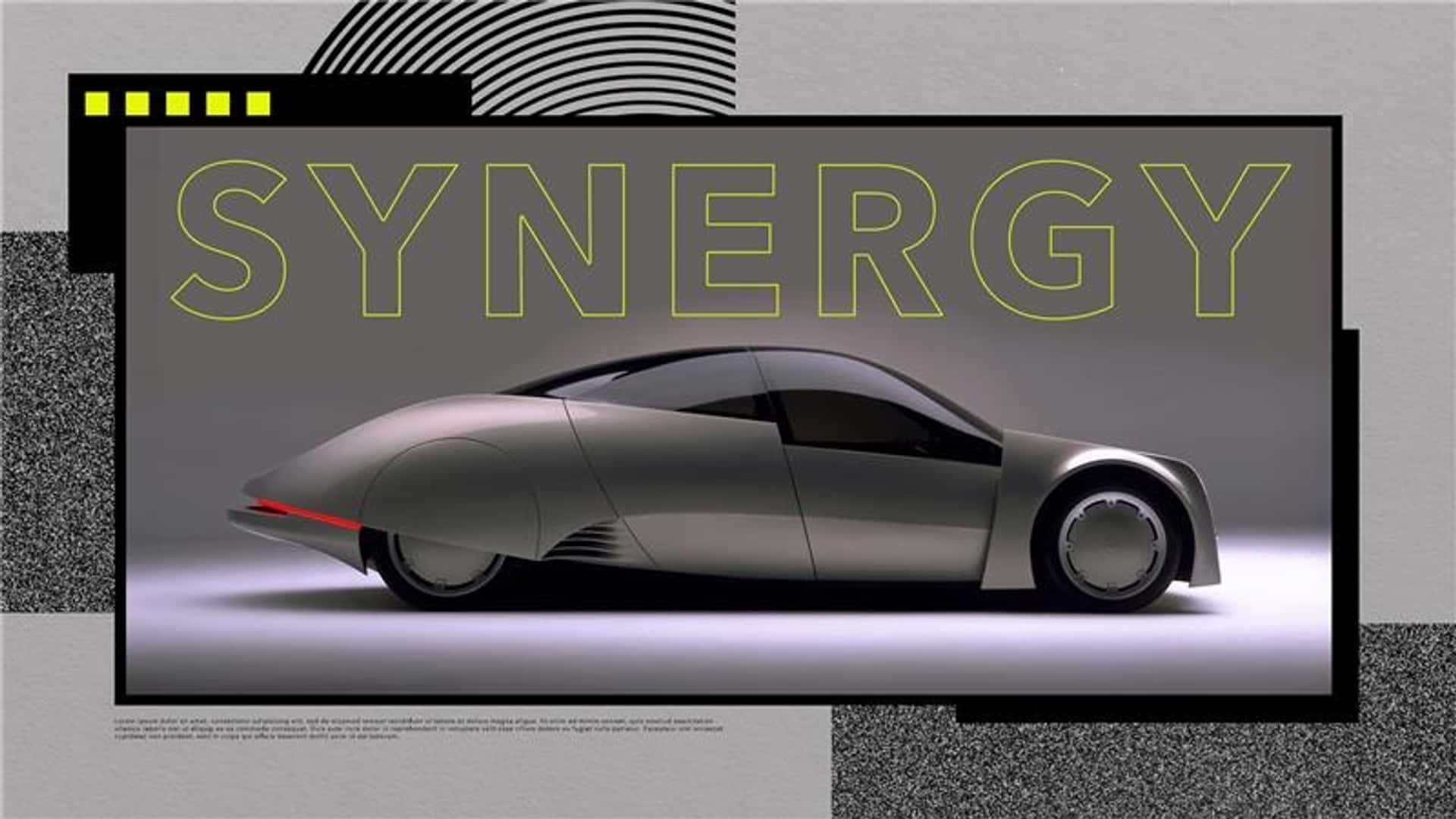
In the automotive world, predicting the future is an ongoing challenge. While some concepts fade into obscurity, others showcase an astonishing foresight. The 1996 Ford Synergy concept car, recently revisited, stands out as a prime example. Though outlandish in design, its technology anticipated key features in today’s electric vehicles (EVs) decades ahead of their time.
A Vision of the Future, Realized Today
The Synergy was envisioned as a family vehicle for the year 2010, boasting a radical aerodynamic profile with a drag coefficient of 0.20 – nearly matching the efficiency of modern production EVs like the Mercedes EQS. This was remarkable given the technological limitations of the early 1990s. The concept wasn’t about aesthetics; it was about maximizing efficiency, just like the Volkswagen Scooter concept from 1986.
The key innovation was its hybrid powertrain. Unlike conventional hybrids, the Synergy featured a range-extending combustion engine that didn’t drive the wheels directly. Instead, it functioned as a generator, powering four electric motors – one at each wheel. This setup predated the BMW i3 REx by nearly two decades, proving Ford’s early grasp of EV technology.
Lightweight Design and Energy Recovery
The Synergy’s lightweight construction, with an aluminum body weighing just 2,200 pounds, further enhanced its efficiency. This allowed for smaller components and a significant weight reduction (1,100 lbs lighter than a typical mid-size sedan at the time).
Beyond the powertrain, the concept incorporated regenerative braking via a flywheel system to recapture energy from braking and acceleration. This feature is now standard in hybrids and EVs, but was groundbreaking in 1996. Additionally, solar panels were integrated into the roof to power a cabin cooling fan, demonstrating forward-thinking energy management.
Advanced Interior and Controls
The interior of the Synergy was equally progressive, ditching traditional buttons and switches for voice control over 18 different functions. It also featured side cameras instead of mirrors, an all-screen interface, and a yoke-style steering wheel – innovations now seen in modern vehicles. The car even included a head-up display and adjustable pedals, showcasing a fully integrated futuristic cabin.
Production Plans and Legacy
Ford Chairman Alex Trotman acknowledged that the Synergy was an “exercise” rather than a realistic production model due to cost constraints. Still, the concept accurately predicted many technologies now commonplace in EVs, including range-extending powertrains, lightweight materials, and advanced driver-assistance systems.
Today, Ford is preparing to launch a next-generation F-150 Lightning as a range-extending electric truck with over 700 miles of combined range. This development solidifies the Synergy’s legacy as a visionary concept that anticipated the future of automotive technology.
The Ford Synergy may have been ahead of its time, but its innovations continue to shape the evolution of EVs. The car proves that the future of driving was predicted decades ago, and now, it’s finally here.