Mazda is actively exploring the possibility of a new rotary-powered sports car, despite acknowledging significant financial challenges. The project, potentially a successor to the RX-7 or RX-8, hinges on determining whether a viable market exists for such a vehicle.
Internal Enthusiasm Fuels the Project
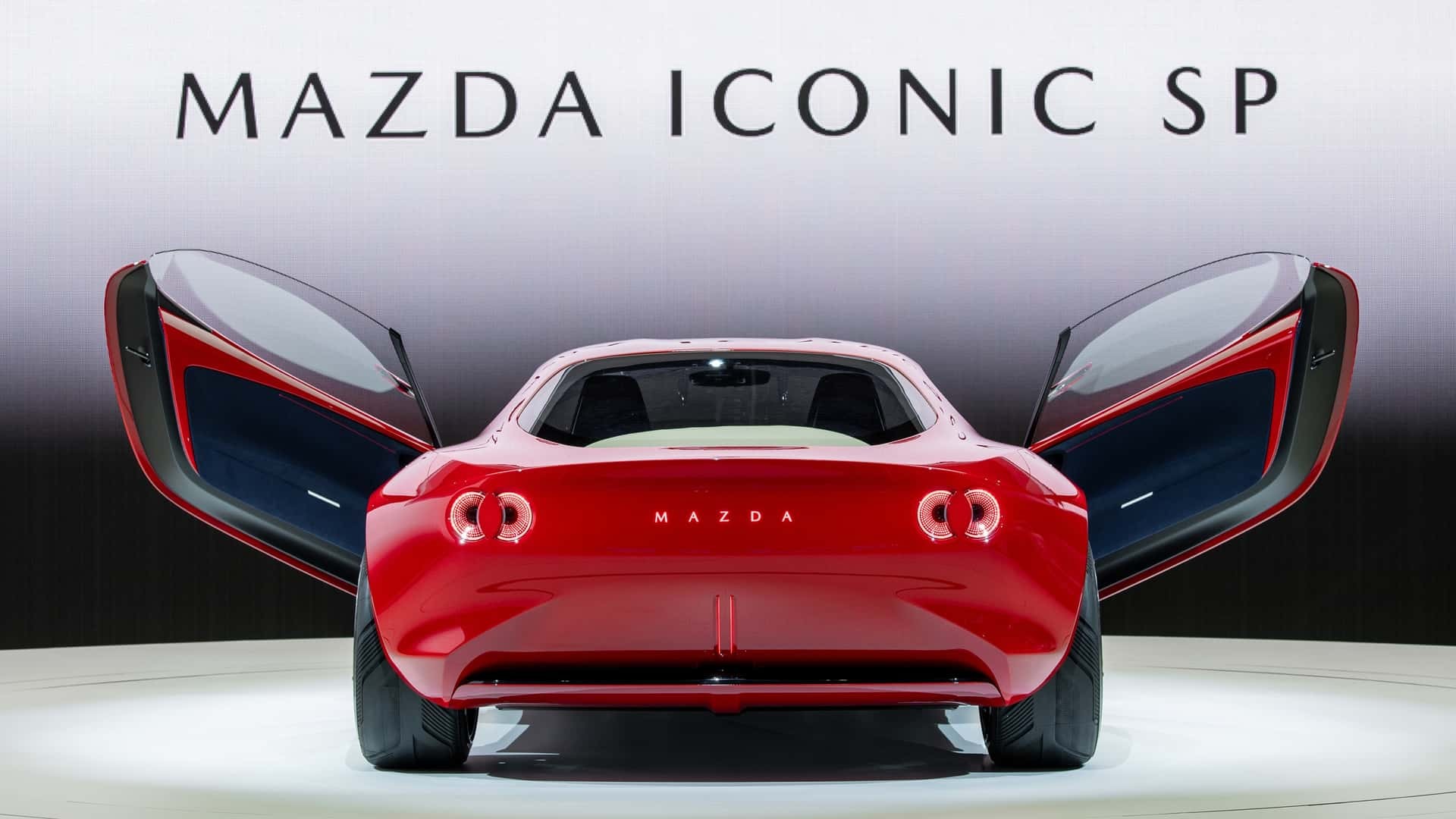
According to Moritz Oswald, Mazda Europe’s Project Manager for Product Planning, there is “insane” internal support for a flagship sports car. Many within the company desire to continue producing emotionally engaging vehicles, but profitability remains a key concern. The company is using concepts like the Iconic SP and Vision X-Coupe to measure public interest before making a final decision.
Rotary Engine Evolution
Early iterations of Mazda’s rotary revival focused on using the engine as a range extender for electric vehicles, as seen in the MX-30 R-EV. However, a production RX model would likely revert to a more traditional setup, with the rotary engine directly powering the wheels. Mazda is testing different hybrid configurations, including plug-in versions with two-rotor engines, to optimize performance and efficiency.
Financial Realities and Future Plans
Despite the widespread internal enthusiasm, Mazda’s Chief Technology Officer, Ryuichi Umeshita, emphasized that the primary obstacle is financial viability. The company must ensure that any new sports car generates sufficient revenue to justify the investment. Mazda has also committed to continuing production of the MX-5 Miata, regardless of whether a larger performance model is approved.
Long-Term Outlook
Given the financial uncertainties, a rotary sports car is unlikely to reach dealerships before the end of the decade, if at all. Mazda is proceeding cautiously, prioritizing market research and financial stability over immediate production. The dream of a new RX remains alive, but its future depends on convincing executives that it can be a profitable venture.
Mazda’s approach reflects a pragmatic balance between enthusiast desires and business realities. The company is willing to explore the rotary engine’s potential but will only proceed if it aligns with long-term financial goals.