


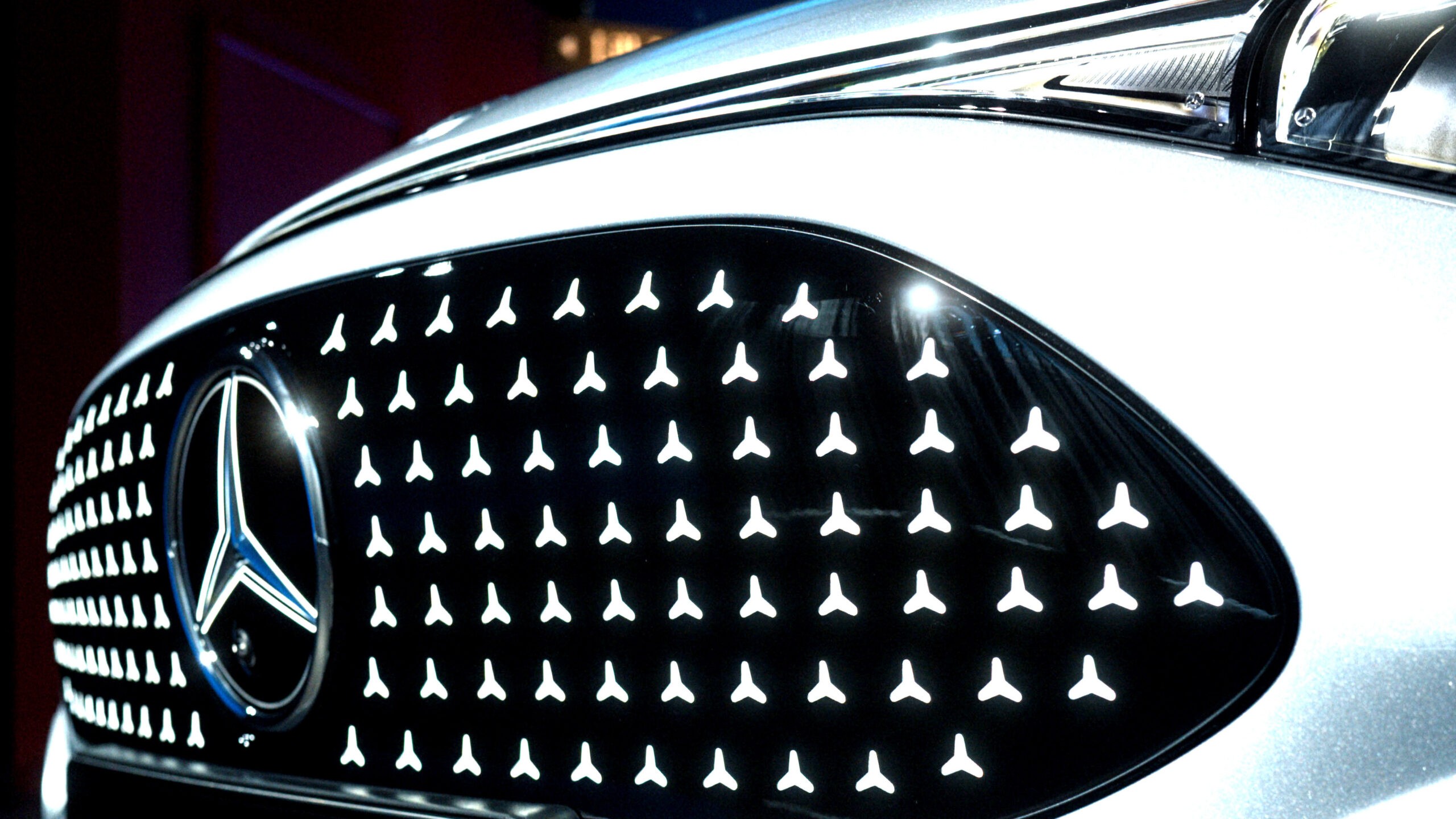
Mercedes-Benz is preparing to radically redesign its entry-level A-Class, moving away from traditional hatchback and sedan designs toward a crossover-style vehicle blending SUV and minivan elements. The change, slated for 2028, reflects a broader shift toward affordability and practicality while catering to evolving consumer preferences.
Production Shift and Future Plans
Starting in early 2026, Mercedes will move A-Class production from Germany to its Kecskemét plant in Hungary. This is not a cancellation, but a strategic move to consolidate resources. The Rastatt facility in Germany will focus on other models built on the MMA platform (which also underpins the CLA, GLA, and GLB), while Hungary prepares to build the next-generation A-Class.
The new model will be unlike anything currently in Mercedes’ lineup, according to development chief Jörg Burzer. His description suggests the company isn’t simply replacing the A-Class but creating something entirely new in the compact segment.
Why a Crossover?
Mercedes is targeting a younger audience with this redesign. The higher seating position and van-like packaging are meant to appeal to urban drivers and young families who prioritize flexibility and space without the bulk of a full-sized SUV. The vehicle will likely sit below the GLA and GLB in price, offering a more accessible entry point for first-time Mercedes buyers.
“The new model will be unlike anything else that has existed before… a very attractive vehicle.” – Jörg Burzer, Mercedes development chief
The move also aligns with broader market trends. While the current A-Class remains popular (selling nearly 70,000 units in Europe in 2025), demand for affordable Mercedes models is rising. The brand initially signaled a potential downsizing of its compact range, but this crossover is a direct response to customer demand.
The MMA Platform and Future Powertrains
The new A-Class will be built on Mercedes’ MMA platform, which supports gasoline, hybrid, and electric powertrains. This ensures versatility, allowing Mercedes to offer a range of configurations to meet different market needs. The flexibility of the MMA platform is crucial, as it allows Mercedes to adapt quickly to changing regulations and consumer preferences.
Affordability Remains Key
Despite a slight sales decline in 2025 (69,777 units vs. 75,240 in 2024), the current A-Class remains the fourth best-selling Mercedes in Europe. The new crossover-style replacement is designed to undercut the GLA in price, making it a compelling option for budget-conscious drivers who still want the Mercedes badge.
In conclusion: Mercedes’ decision to reimagine the A-Class as a crossover signals a renewed focus on affordability and practicality within its compact lineup. This move is not just about cost savings; it’s a strategic response to shifting consumer preferences and a way to maintain a strong presence in the entry-level luxury market.


