Stellantis, the automotive conglomerate behind brands like Jeep and RAM, has announced a substantial €21 billion (A$35 billion) loss in the second half of 2025, primarily attributed to the financial fallout of its ambitious but ultimately unsuccessful push into the electric vehicle (EV) market in the United States. The company’s stock price plummeted 24% following the announcement, closing at US$7.28 per share from a previous US$9.54.
The Scale of the Write-Down
The massive write-down includes €22.2 billion (A$37.4 billion) in costs related to restructuring and scaling back EV production. This encompasses severance payments for laid-off employees, the reduction of battery manufacturing plans, and downward revisions to expected sales volumes for its remaining EV models.
Adding to the financial burden, Stellantis has allocated €5.4 billion to cover a “contractual warranty provision,” acknowledging both rising cost inflation and a decline in product quality that the new management team is actively working to rectify.
Dividend Suspension and Management Reset
In response to the losses, Stellantis has suspended dividend payouts for 2026. CEO Antonio Filosa framed the write-down as a necessary “reset,” emphasizing a renewed focus on customer preferences over rapid electrification.
The CEO directly attributed the loss to overestimating the speed of the energy transition, which created a disconnect between the company’s EV offerings and actual consumer demand. Poor operational execution under previous leadership was also cited as a contributing factor.
From Ambitious Plans to Strategic Retreat
In 2021, former CEO Carlos Tavares unveiled a €30 billion EV program for both European and American divisions of Stellantis. The US plan centered on launching electric muscle cars, an electric Ram 1500 pickup, and an electric mid-size ute within a few years. Opel/Vauxhall was slated to phase out internal combustion engines entirely by 2028.
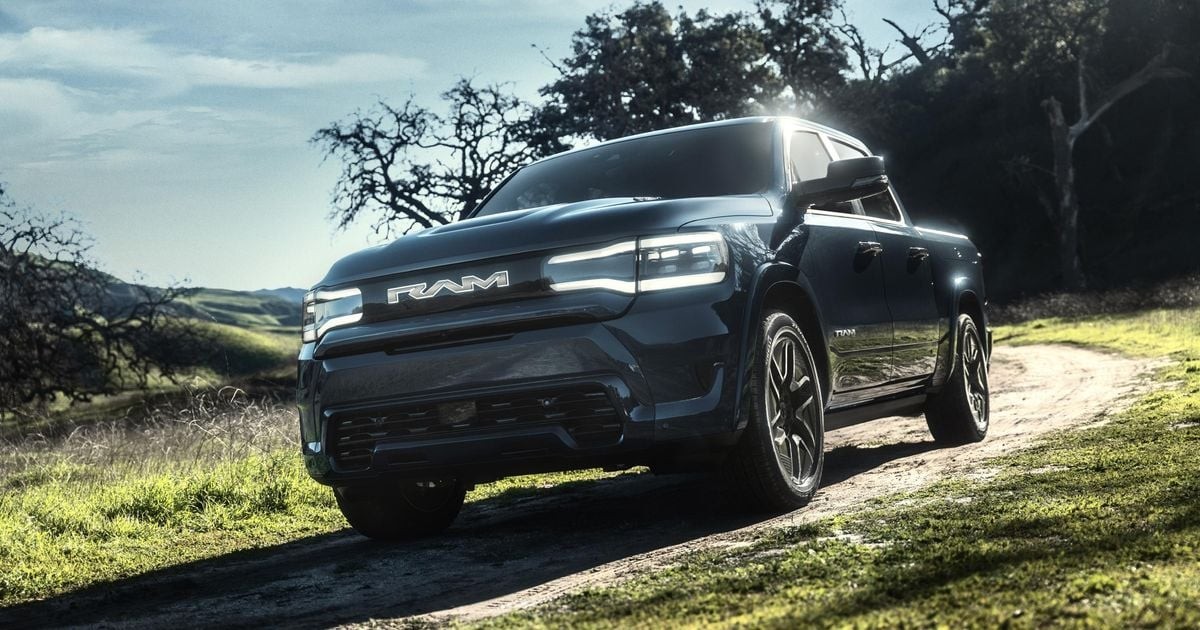
However, following Tavares’ departure in 2024 and Filosa’s appointment in mid-2025, the company dramatically shifted course. The Ram 1500’s electric variant was canceled after the reintroduction of V8 engines. Jeep and Chrysler plug-in hybrids (PHEVs) were also discontinued due to declining sales.
Limited EV Traction in North America
Currently, Stellantis’ North American EV lineup is limited to the Dodge Charger and Jeep Wagoneer S, with the Jeep Recon on the horizon. Sales figures from 2025 reveal minimal traction: only 6,701 Wagoneer S units were sold in the US, and just 4,645 electric Dodge Chargers. In contrast, Ford sold 45,333 traditional Mustangs with combustion engines during the same period.
This situation underscores the fact that while Stellantis continues to offer EVs in Europe, its North American EV strategy is undergoing a significant recalibration to align with more immediate market realities. The company is now concentrating on extended-range EVs, including a new version for the Ram 1500, but the financial hit from the initial overreach is substantial.
The Stellantis loss serves as a cautionary tale: ambitious electrification strategies must be grounded in realistic consumer behavior and effective operational execution to avoid costly setbacks.