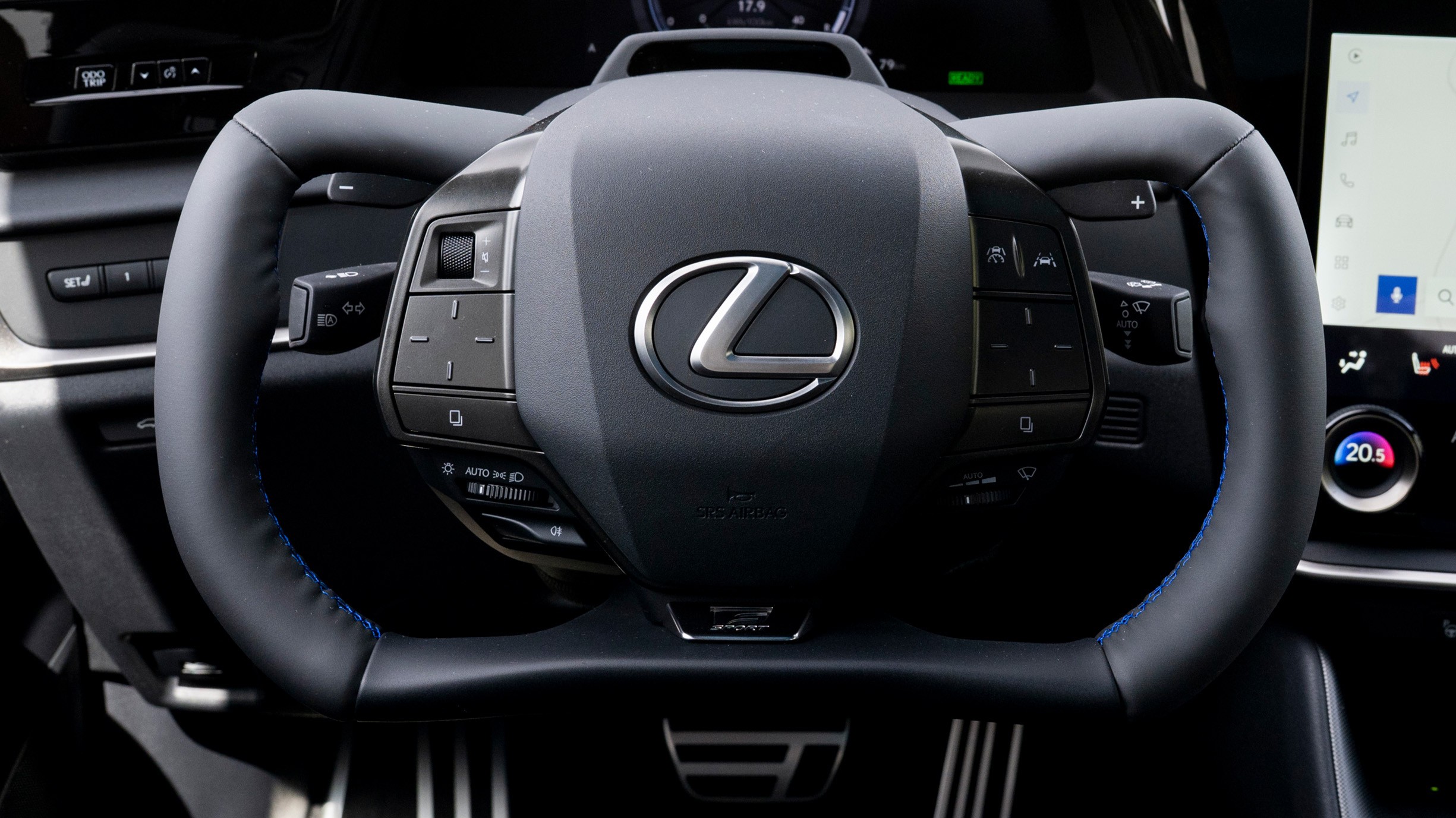
Chinese regulators are ending the experiment with Tesla-style “yoke” steering wheels, enforcing a return to traditional round designs in all new vehicles starting January 1, 2027. The move, outlined in updated safety standards from the Ministry of Industry and Information Technology, reflects concerns about driver safety and real-world usability.
The New Regulations
The updated standard significantly tightens crash-test requirements for steering systems. It aligns with international regulations by lowering acceptable impact forces and restricting steering column movement during collisions. However, the most direct impact is the new wheel testing protocol.
Specifically, the regulations require impact tests at ten points around the steering wheel rim. This design flaw is fatal to yoke designs because their missing upper half means the testing points simply don’t exist. Compliance becomes impossible without redesigning the wheel itself.
Why the Change?
Chinese officials cite data indicating that 46% of driver injuries in accidents stem from steering mechanisms. Traditional round wheels offer a larger impact buffer, preventing drivers from being thrown forward into the steering column during collisions. Yokes, with their open design, present a higher risk of secondary impacts and increased injury severity.
Airbag deployment is another key factor. The unusual shapes of yoke-style wheels can create unpredictable fracture patterns during inflation, potentially turning the steering wheel into a projectile.
Beyond Safety: Practical Concerns
The decision isn’t purely safety-driven. Many drivers, including Tesla owners, report difficulty with low-speed maneuvers like parking and U-turns due to the yoke’s unconventional design. This is because road cars need larger steering inputs than racecars, where yokes are more common. Lexus attempted to address this with a high-gear steer-by-wire system in its RZ SUV, but it hasn’t gained widespread adoption.
What Happens Next?
All new car models seeking approval in China must comply with the new standard by 2027. Existing vehicles will have around 13 months to adapt or face obsolescence. The change represents a firm stance against experimental designs that regulators deem too risky for public roads.
The decision sends a clear message: while automakers can push boundaries, safety remains the top priority. China’s move could influence global standards if accident data proves the yoke design is genuinely less safe than traditional wheels.