Catalytic converter theft has exploded across the United States, becoming one of the fastest-growing property crimes. The thefts are alarmingly easy to execute, with thieves needing minimal tools and expertise to remove the valuable components from under vehicles in under two minutes. This isn’t random; it’s driven by soaring prices for the precious metals inside – platinum, palladium, and rhodium – which can exceed the value of gold.
The impact on victims is severe, with replacement costs ranging from $1,000 to $3,000 or more. While a garage is the best deterrent, no vehicle is truly safe. Understanding why thieves target catalytic converters, how to protect your car, and what insurance options are available is critical for anyone living in an affected area.
Why Thieves Target Catalytic Converters
The core issue is simple: profit. Catalytic converters contain metals more valuable than gold by weight, making them attractive to criminals seeking quick cash. The black market for these components thrives on speed and anonymity, with scrapyards often accepting stolen parts without question. This is not just about high prices; it’s about ease. A thief can steal a catalytic converter for under $200 in tools, and the risk of getting caught is low compared to other property crimes.
The surge in thefts is also linked to broader economic uncertainty. Desperate times drive desperate measures, and catalytic converter theft provides a fast, low-effort way to make money. This crisis disproportionately affects metropolitan areas where vehicles are parked on the street and security is lax.
Which Vehicles Are Most at Risk?
Not all cars are equal targets. Larger vehicles with higher ground clearance – like Ford F-Series trucks and Toyota Tacomas – are the easiest to steal from. These vehicles don’t even need to be jacked up; thieves can simply slide underneath and cut the converter loose.
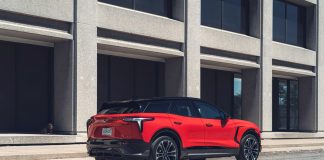
Hybrid vehicles, particularly Toyota Priuses, are also heavily targeted. While harder to steal from, their catalytic converters contain higher concentrations of rare metals. Older vehicles (pre-2000s) are also prime targets due to easier access and higher platinum content. The only fully safe option is an electric vehicle, as they don’t use catalytic converters at all.
Prevention: Deterrence is Key
While no method is foolproof, several steps can deter thieves:
- Catalytic Converter Shields: These reinforced covers add a layer of armor, making theft more time-consuming and risky. Prices range from $150 to $400, including installation.
- VIN Etching: Engraving your vehicle’s VIN onto the converter makes it less attractive to thieves, as it’s harder to resell.
- Security Systems: Motion-sensor alarms or dashcams with parking modes can scare off potential thieves.
- Parking Strategically: Parking in well-lit, enclosed areas, or even lowering a vehicle’s suspension to reduce ground clearance, makes it harder to access the converter.
Insurance Coverage and What to Expect
If your catalytic converter is stolen, your insurance coverage will determine how much of the cost you bear. Comprehensive coverage – an optional add-on – is usually required for theft claims. Filing a claim can raise future premiums, but for high-risk vehicles, it may be worth the cost.
Once a claim is filed, an adjuster will inspect the damage and provide an estimate. You’ll need to pay your deductible (typically $250 to $1,000) before repairs are approved. The process can take days or weeks, so having rental car coverage can be beneficial.
The reality is that law enforcement often struggles to prioritize catalytic converter thefts due to limited resources. Insurance claims are often the only recourse for victims.
Catalytic converter theft isn’t just a crime of opportunity; it’s a symptom of broader economic pressures and a lack of effective security measures. Vehicle owners, particularly those with high-risk models, must take proactive steps to protect themselves.