


The Australian Government’s inaugural New Vehicle Efficiency Standard (NVES) results are in, and while the overall average meets the initial targets, nearly two-thirds of auto brands failed to comply with the 2025 CO2 emissions limits. This marks the first major test of the NVES, designed to push manufacturers towards cleaner vehicles and reduce transport-related carbon emissions.
Key Findings: A Mixed Bag of Performance
The average emissions for new light vehicles beat the standard by 21%. However, the breakdown reveals a stark contrast between leading and lagging brands. The NVES categorizes vehicles into two types: Type 1 (passenger cars and SUVs) with a 141g/km limit, and Type 2 (utes, vans, and larger SUVs) at 210g/km.
- Type 1 vehicles averaged 114g/km, comfortably under the limit.
- Type 2 vehicles were also below the threshold at 199g/km.
Despite the overall success, 19 brands missed their targets, including high-performance names like Alfa Romeo, Ferrari, and Porsche, alongside mainstream players like Honda, Hyundai, and Nissan. Notably, Stellantis, the multinational automotive giant, had multiple entries listed as non-compliant.
The Emissions Trading System: A New Market Emerges
The NVES incorporates a trading system where companies exceeding their targets can sell “NVES units” to those falling short. This creates a financial incentive for automakers to reduce emissions, but also allows some to delay compliance by purchasing credits.
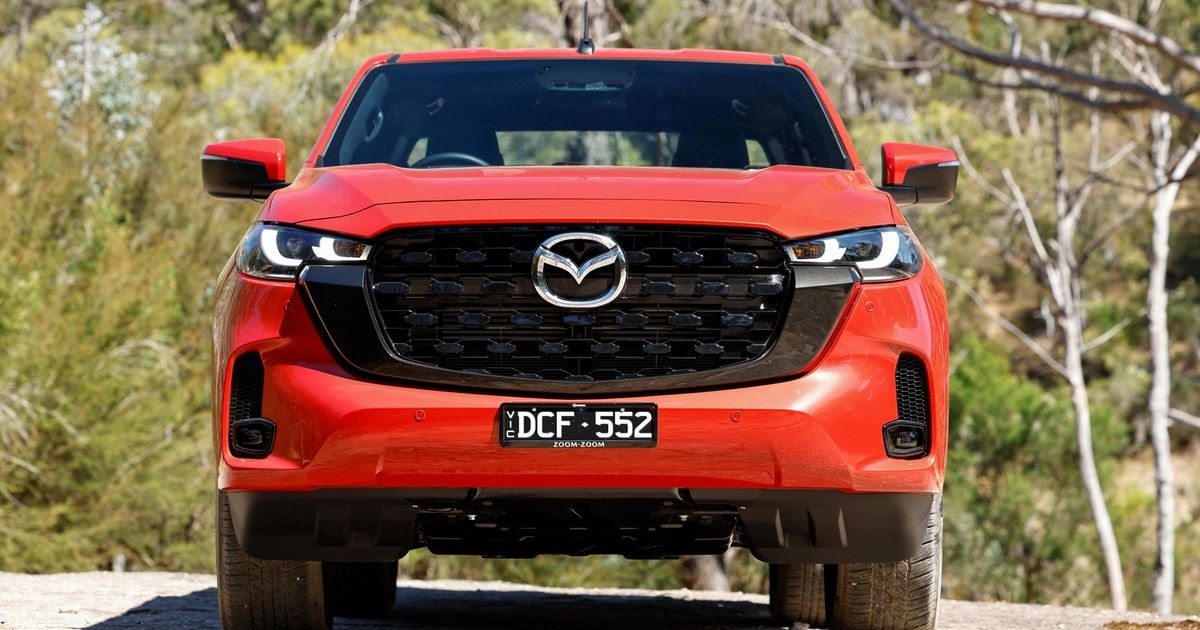
Mazda accumulated the most liabilities, with over 508,000 units, while BYD and Toyota led in surpluses, holding millions of surplus credits. This surplus establishes a functional market for emissions trading, potentially benefiting both high-emitting brands seeking to avoid penalties and low-emission companies aiming to profit from their efficiency.
What This Means: Tightening Regulations and Future Compliance
The CO2 limits will become stricter each year until 2029, meaning brands that met their targets in 2025 may struggle to do so in subsequent years without significantly increasing the number of low- or zero-emission vehicles in their lineups.
Automakers have two years to address imbalances by trading units or face penalties starting in February 2028. The penalties are calculated at $50 per unit of excess emissions, creating a real financial risk for non-compliant brands.
Industry Response: Demand vs. Regulation
The Federal Chamber of Automotive Industries (FCAI) argues that achieving future targets requires a “materially stronger uptake of EVs than current market trends indicate”. They highlight the need for policies that incentivize consumer demand for electric vehicles, as supply alone is not enough.
Polestar, an electric vehicle manufacturer, countered this claim, asserting that the NVES is achievable and that resistance from traditional automakers is hindering progress. They argue that Australia should not remain a dumping ground for older, less efficient technologies.
The first NVES results prove that cleaner vehicles and a competitive market can coexist, but long-term success depends on sustained demand for EVs and ongoing policy support.


