


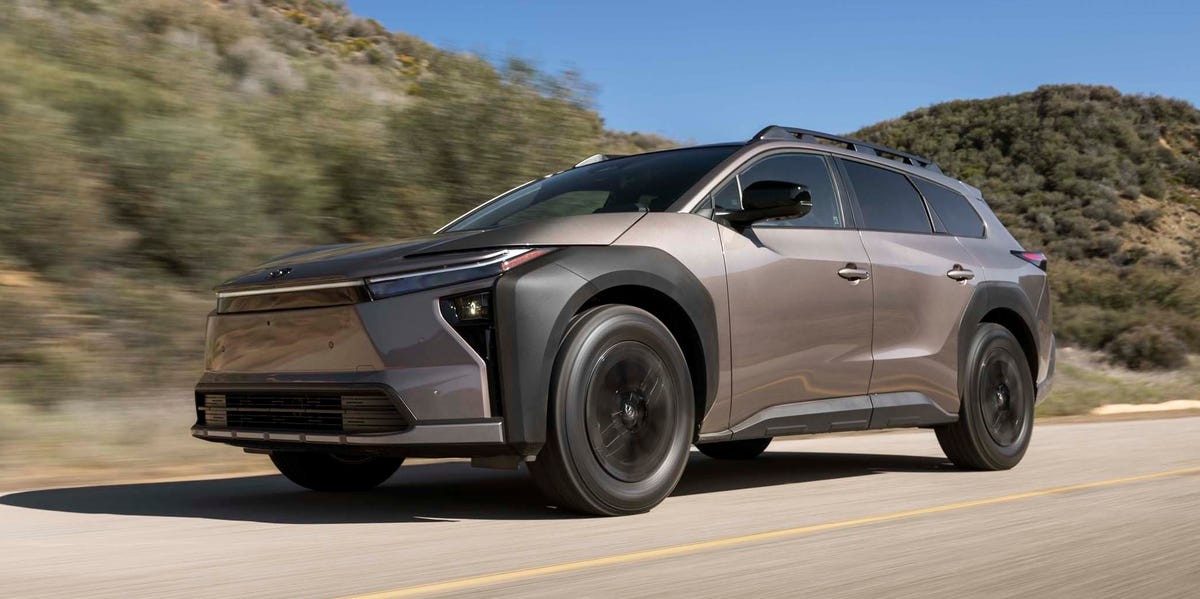
Toyota is redefining the electric crossover with the 2026 bZ Woodland, a vehicle that borrows heavily from the station wagon playbook while adding the ground clearance and rugged styling cues expected of an SUV. This isn’t just a matter of aesthetics; the bZ Woodland offers a compelling blend of performance, space, and practicality for families considering an electric vehicle.
Bridging the Gap in Body Styles
For years, automakers have been stretching the definition of “SUV.” The bZ Woodland is a prime example, sporting a more wagon-like silhouette—with a longer rear section and upright roofline—but still offering enough ground clearance to tackle light off-road terrain. This design isn’t arbitrary. The blurring of body styles reflects consumer demand for vehicles that offer both utility and a more car-like driving experience.
Performance and Powertrain
The Woodland stands out with its dual-motor setup, delivering a robust 375 horsepower—a 37-hp increase over the standard bZ. This translates to quicker acceleration, with Toyota claiming a 0-60 mph time of just 4.4 seconds. The powertrain is paired with a 67 kWh battery, providing an estimated range of 281 miles (260 miles with optional all-terrain tires). While the range isn’t class-leading, the Woodland compensates with its power and smooth ride quality. The Woodland’s performance boost isn’t just about speed; it makes daily driving more effortless and overtaking safer.
Charging and Infrastructure
The bZ Woodland features a NACS (North American Charging Standard) port, granting access to Tesla’s Supercharger network. DC fast-charging peaks at 150 kW, allowing for a 10-80% recharge in approximately 30 minutes. Level 2 charging takes around seven hours using the standard 11 kW onboard charger. Toyota also includes a CCS-to-NACS adapter for compatibility with existing DC fast-charging stations. The inclusion of NACS is significant; it future-proofs the vehicle and provides owners with more convenient charging options.
Interior Space and Features
The cabin mirrors the standard bZ, with a 14-inch touchscreen and digital gauge cluster. Physical controls for key functions like climate and volume are retained, a welcome touch for those who prefer tactile feedback. The Woodland also comes standard with dual wireless charging pads, heated front and rear seats, and a heated steering wheel. Upgrading to the Premium trim adds ventilated front seats, a panoramic glass roof, and a premium JBL sound system.
The bZ Woodland’s extended body length results in more cargo space: 34 cubic feet behind the second row (six more than the standard bZ) and 74 cubic feet with the rear seats folded. Rear-seat legroom is generous, though the bottom cushion is somewhat flat. The added space makes the Woodland a practical choice for families who frequently haul gear or passengers.
Off-Road Capability
Despite being an EV crossover, the bZ Woodland holds its own off-road thanks to 8.4 inches of ground clearance and available all-terrain tires. It can navigate moderate dirt roads and steep trails without scraping the undercarriage. The X-Mode system provides ample traction and controlled descent on challenging terrain. While not a hardcore off-roader, the Woodland offers enough capability to handle occasional adventures beyond paved roads.
Pricing and Competition
The 2026 Toyota bZ Woodland starts at $46,750, with the Premium trim priced at $48,850. It competes with other mid-size electric SUVs like the Chevy Blazer EV and Honda Prologue. Despite its modest range estimates, the Woodland makes a strong case with its power, comfortable ride, and generous standard features. For families seeking an electric SUV that doesn’t compromise on performance or practicality, the bZ Woodland is a worthy contender.
The bZ Woodland is a clear sign that the automotive industry is rethinking what an SUV should be. It’s not just about height; it’s about blending the best aspects of multiple vehicle types into one compelling package.


