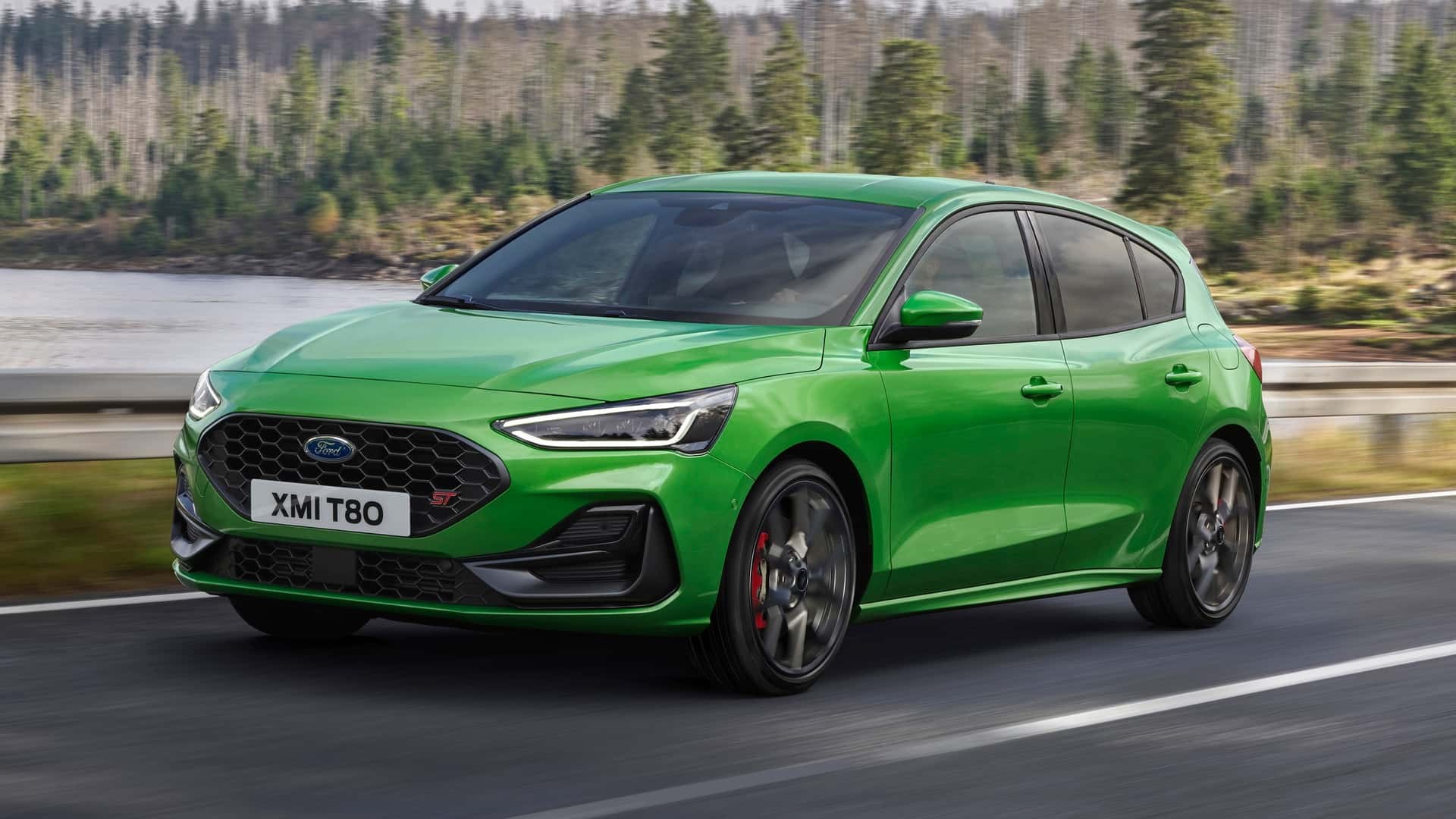
Ford is signaling a return to passenger cars in both Europe and the United States, reversing a trend that saw the discontinuation of models like the Fusion and Focus. The company’s CEO, Jim Farley, has confirmed “exciting plans” for Europe, while internal discussions suggest a broader revival of the car segment by 2030. This move comes as automakers reassess their portfolios amid shifting consumer demand and regulatory pressures.
European Strategy: Partnerships with VW and Renault
Ford’s European strategy relies heavily on strategic partnerships. The company is exploring joint ventures with Volkswagen, potentially leading to an electric hatchback based on VW’s MQB platform. Discussions with Renault are also underway, with plans to launch two models engineered by the French automaker using its Ampere EV platform, slated for release in 2028.
There is also a possibility of collaboration with Geely, which could involve vehicle production at Ford’s Valencia plant in Spain to bypass European tariffs. While none of these collaborations are confirmed, they illustrate Ford’s willingness to leverage external expertise and infrastructure to re-enter the passenger car market.
US Market: New Models Under $40,000
Ford’s revival isn’t limited to Europe. The company intends to introduce a new lineup of cars in the US by 2030, with models priced below $40,000. These vehicles will feature “multi-energy” powertrains, including hybrid and electric options, but will not revive existing nameplates like the Mustang sedan.
This strategy is likely influenced by the growing demand for affordable EVs and hybrids in the US. By offering competitive pricing and diverse powertrain options, Ford aims to recapture a segment of the market it previously abandoned.
Why This Matters
Ford’s shift reflects a broader trend in the automotive industry. For years, manufacturers have focused on SUVs and trucks due to higher profit margins, but consumer preferences are evolving. Electric vehicles are gaining traction, and many drivers still prefer the practicality of cars.
“If Ford can deliver compelling, sub-$40,000 cars, it may finally have a real answer to its shrinking passenger car footprint.”
The company’s willingness to invest in cars again suggests that it recognizes the importance of a diversified product portfolio. The success of this strategy will depend on Ford’s ability to execute efficiently and deliver vehicles that meet consumer expectations.