


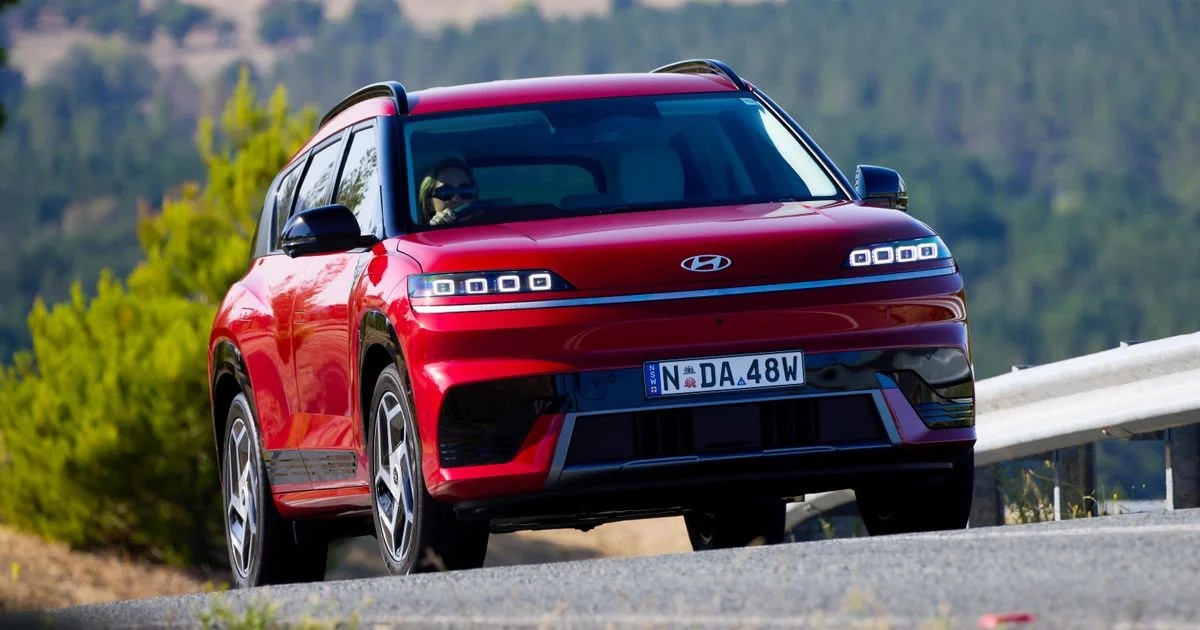
Hyundai has expanded its electric SUV lineup with the 2026 Elexio, a new model aimed at bridging the gap between the Ioniq 5 and Kona Electric. Unlike the Ioniq 5, the Elexio is produced in China – a strategic move to compete more effectively with rivals like Tesla Model Y and BYD Sealion 7. This decision reflects a broader trend of automakers leveraging Chinese manufacturing to lower costs and increase accessibility.
Design and Interior
The Elexio stands out with its distinctive design, deviating from the established Hyundai aesthetic. The interior is dominated by a massive 27-inch panoramic touchscreen running an Android-based software interface. This feature, while impressive, highlights the growing reliance on large-format displays in modern EVs.
The infotainment system, though localized by Hyundai’s team, retains a distinctly Chinese brand feel. While the Android Automotive interface is promising, its integration with wireless Apple CarPlay and Android Auto feels clunky, appearing as a pop-up window rather than a seamless overlay. Climate controls embedded within the touchscreen are fiddly and distracting, raising questions about usability in real-world driving scenarios.
Despite these drawbacks, the Elexio offers a spacious second row with ample legroom and USB-C charging ports. The lack of a sunroof is a notable omission, though it may not be a dealbreaker for all buyers. Cargo space is generous at 506 liters (expanding to 1540L with seats folded), but there’s no spare wheel – only a tire repair kit.
Performance and Range
The Elexio boasts a 500km+ WLTP-certified range thanks to its BYD-supplied LFP battery pack. While this range is competitive, the reliance on Chinese battery technology underscores the supply chain dependencies shaping the EV market. The single powertrain option delivers 160kW/310Nm, offering adequate performance but not exceptional acceleration.
Charging times are comparable to competitors, with a 10-80% charge taking approximately 38 minutes using a 150kW DC fast-charger. However, the Elexio’s charge capacity is slightly lower than BYD’s Sealion 7, suggesting potential trade-offs in charging speed.
Pricing and Market Positioning
Hyundai positions the Elexio competitively, with pricing starting below $59,000 before on-road costs. Introductory offers make it even more attractive, undercutting the base Tesla Model Y Premium and rivaling the Kia EV5 Air Long Range. This aggressive pricing strategy aims to capture market share in the crowded mid-size EV segment.
The Elexio’s competitive lease payments further enhance its appeal, costing around $205 per week for a NSW-based driver earning $100,000 annually. Hyundai’s emphasis on leasing options reflects the growing trend of subscription-based vehicle ownership.
Driving Experience
The Elexio offers a balanced driving experience, prioritizing comfort and refinement over sporty performance. The steering is light but responsive, and the ride remains comfortable even on rough roads. Chassis tuning ensures stability and confidence without being overly engaging.
Driver assistance features are well-calibrated, though the lane-keep assist can be overzealous. The head-up display, while stylish, may be difficult to see with polarized sunglasses. Overall, the Elexio drives like a polished and competent EV, but it won’t set any speed records.
What You Get
The Elexio comes standard with a long-range battery, V2L charging capability, paddle shifters for regenerative braking, and a comprehensive suite of safety features including nine airbags. The Elite trim adds leather seats, heated and ventilated front seats, and other luxury amenities.
However, the base variant, launching in 2026, will omit some of these features to maintain a lower price point. This tiered approach reflects Hyundai’s strategy to cater to a wider range of buyers.
The Hyundai Elexio represents a calculated move by the Korean automaker to compete in the rapidly expanding EV market. By sourcing production from China, Hyundai is able to offer a more affordable and feature-rich SUV while navigating the complexities of global supply chains. The Elexio’s success will depend on whether consumers accept its Chinese origins and prioritize value over brand loyalty.


