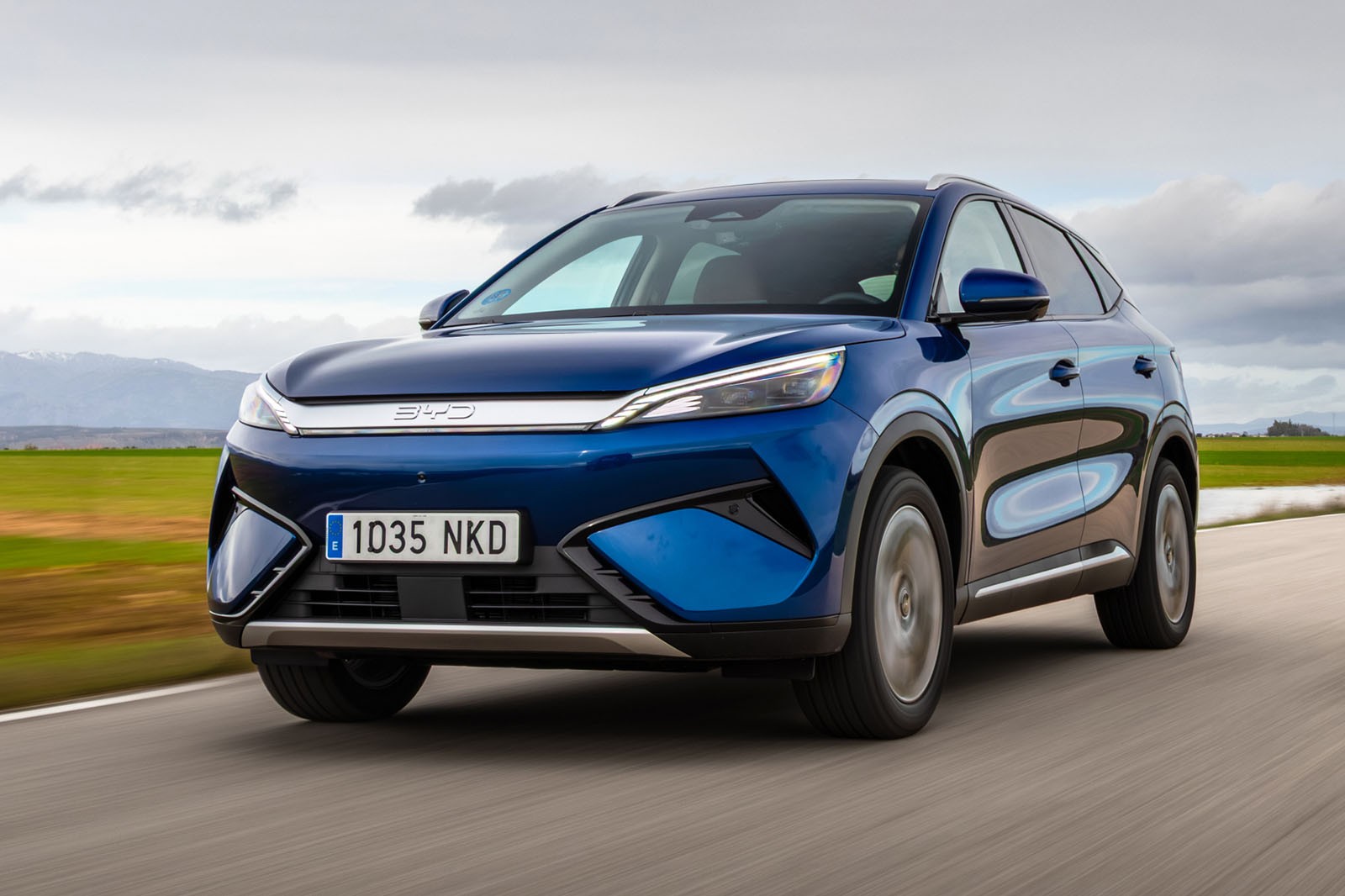
The 2026 BYD Atto 3 Evo isn’t just a facelift; it’s a substantial overhaul of the original, building on its success while addressing key shortcomings. Though it may not immediately stand out from the crowd, this electric SUV offers meaningful improvements in performance, charging, and interior refinement – making it a more competitive option in a rapidly expanding market.
Under the Hood: Major Technical Upgrades
The most significant changes are beneath the surface. BYD has transitioned to an 800V electrical architecture, doubling the maximum charging speed to 220kW. This dramatically reduces charging times, making long journeys more practical. The motor has also been relocated from the front to the rear axle, freeing up space for a 101-liter frunk —a substantial addition for storage.
Despite the shift in drivetrain layout, boot space has actually increased slightly to 490 liters. Suspension has also been upgraded from a four-link to a five-link design, aiming for improved ride quality and handling.
Interior Overhaul: Design and Functionality
Inside, the Atto 3 Evo features updated 8.8-inch digital instruments and a 15.6-inch infotainment touchscreen. The touchscreen is now locked in landscape mode, ditching the rotating gimmick of previous models. The steering wheel design has been simplified, and the gear selector has moved to a more conventional stalk on the steering column.
BYD has also prioritized material quality, with soft-touch leather and suede surfaces throughout the cabin. This elevates the interior feel, surpassing many competitors who still rely on hard plastics. The air vents, in particular, offer a satisfying tactile experience with a distinct “clink” when opened and a reassuring “thump” when closed. However, the steering wheel’s plasticky upholstery feels out of place given the overall cabin quality.
Driving Dynamics: Power, Handling, and Shortcomings
The Atto 3 Evo packs considerable power, but the suspension struggles to keep up. Despite being tuned for comfort, the car exhibits noticeable pitch and roll under hard acceleration. The rear end can feel unstable as the stability control system intervenes, while the front end feels delayed in its response.
The steering is surprisingly heavy, slow-geared, and eager to return to center, making it cumbersome for everyday maneuvers. Activating Sport mode lightens the steering, but also increases throttle sensitivity, making smooth acceleration difficult.
The abundance of power, coupled with the suspension’s limitations, makes spirited driving less rewarding than it should be. The car can be pushed, but the experience feels disconnected and imprecise.
Practicality and Quirks
Despite some design choices that prioritize style over function (such as the placement of drive mode and brake regeneration selectors), the Atto 3 Evo offers practicality. The rear seats provide ample space for passengers, and the frunk is useful for storing charging cables.
The wireless phone charger, while convenient, suffers from a slippery surface, causing phones to slide around during acceleration or braking. The infotainment system includes Google apps, but climate controls remain buried in the touchscreen, requiring drivers to take their eyes off the road. The driver attention monitor even warns when adjusting the climate, subtly acknowledging the system’s distraction-prone design.
Conclusion
The 2026 BYD Atto 3 Evo represents a significant step forward from its predecessor. It addresses many of the original’s shortcomings, offering faster charging, improved interior quality, and increased practicality. While the driving experience isn’t without flaws, the Atto 3 Evo presents a compelling package in the competitive electric SUV segment.