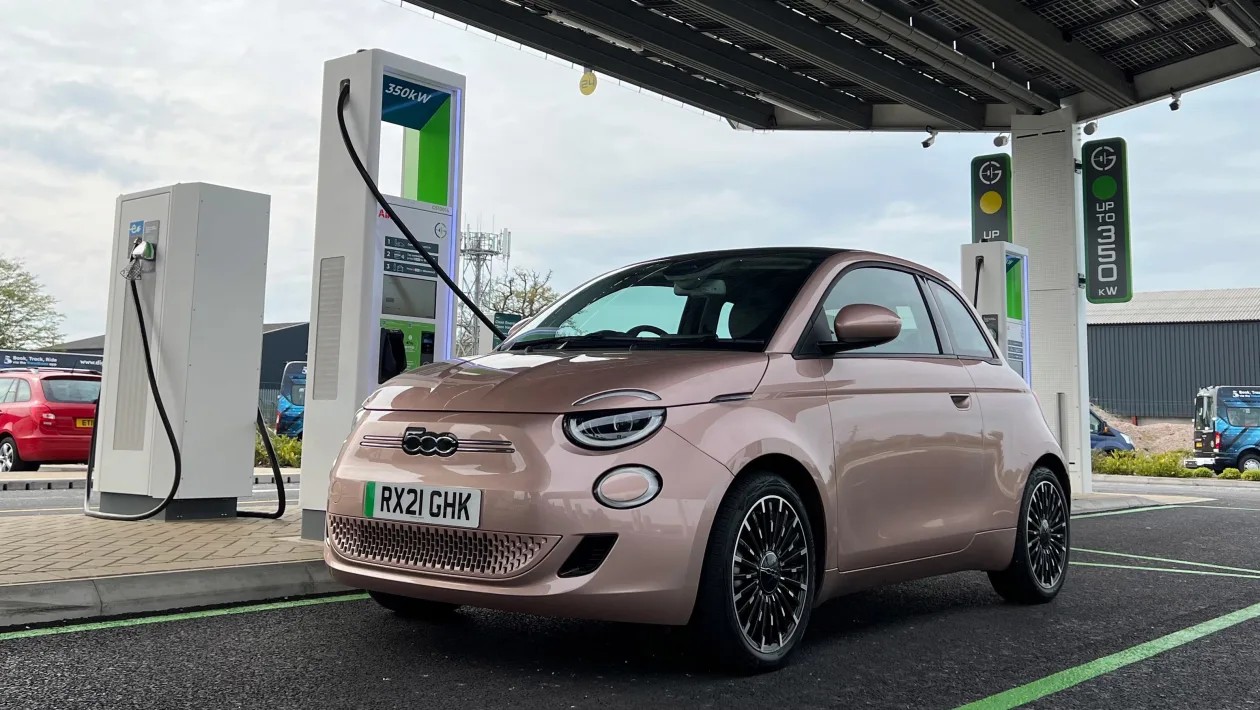
The United Kingdom has reached a tipping point in its transition to electric vehicles: as of January 2026, the number of public EV chargers (116,052) has surpassed the estimated number of petrol pumps (around 60,802). This milestone signifies a major shift in infrastructure, supporting the growing adoption of electric cars and reflecting broader efforts to reduce carbon emissions.
The Numbers Behind the Shift
Data from the Department for Transport (DfT) reveals the accelerating growth of the EV charging network. While precise figures for petrol pumps are unavailable, industry estimates suggest a significant gap closing rapidly. Currently, there are approximately 11 electric cars per public chargepoint, a ratio that is likely improving as EV sales continue to rise.
It’s important to note that these figures don’t include the vast number of home charging stations, which substantially increases the overall charging capacity for EV owners. This means the true ratio of chargers to EVs is even more favorable than official data suggests.
Why This Matters
The increasing availability of EV chargers addresses a key barrier to wider EV adoption: range anxiety. Drivers are more likely to switch to electric if they know they can easily find a place to recharge, both at home and on the road.
While filling a petrol tank remains faster than charging a battery, the sheer volume of chargers now available minimizes the need for densely packed filling stations. This shift also reflects government incentives, such as the recent increase in the Electric Vehicle Chargepoint Grant from £350 to £500, which is designed to further accelerate infrastructure development.
The Future of Charging
The pace of expansion shows no signs of slowing down. ZapMap reports that 677 new public chargepoints were installed in the UK in January 2026 alone.
According to Vicky Edmonds, CEO of EVA England: >“This milestone shows we’re genuinely moving in the right direction and building the charging network that drivers need to make the switch to electric with confidence.”
However, Edmonds emphasizes that continued investment is crucial. Reliable, affordable, and convenient charging is essential for a smooth transition for all drivers.
The UK’s rapid expansion of EV charging infrastructure is a clear indicator of its commitment to phasing out petrol and diesel vehicles. This transition will require sustained effort, but the current trajectory suggests a future where electric mobility is the norm rather than the exception.