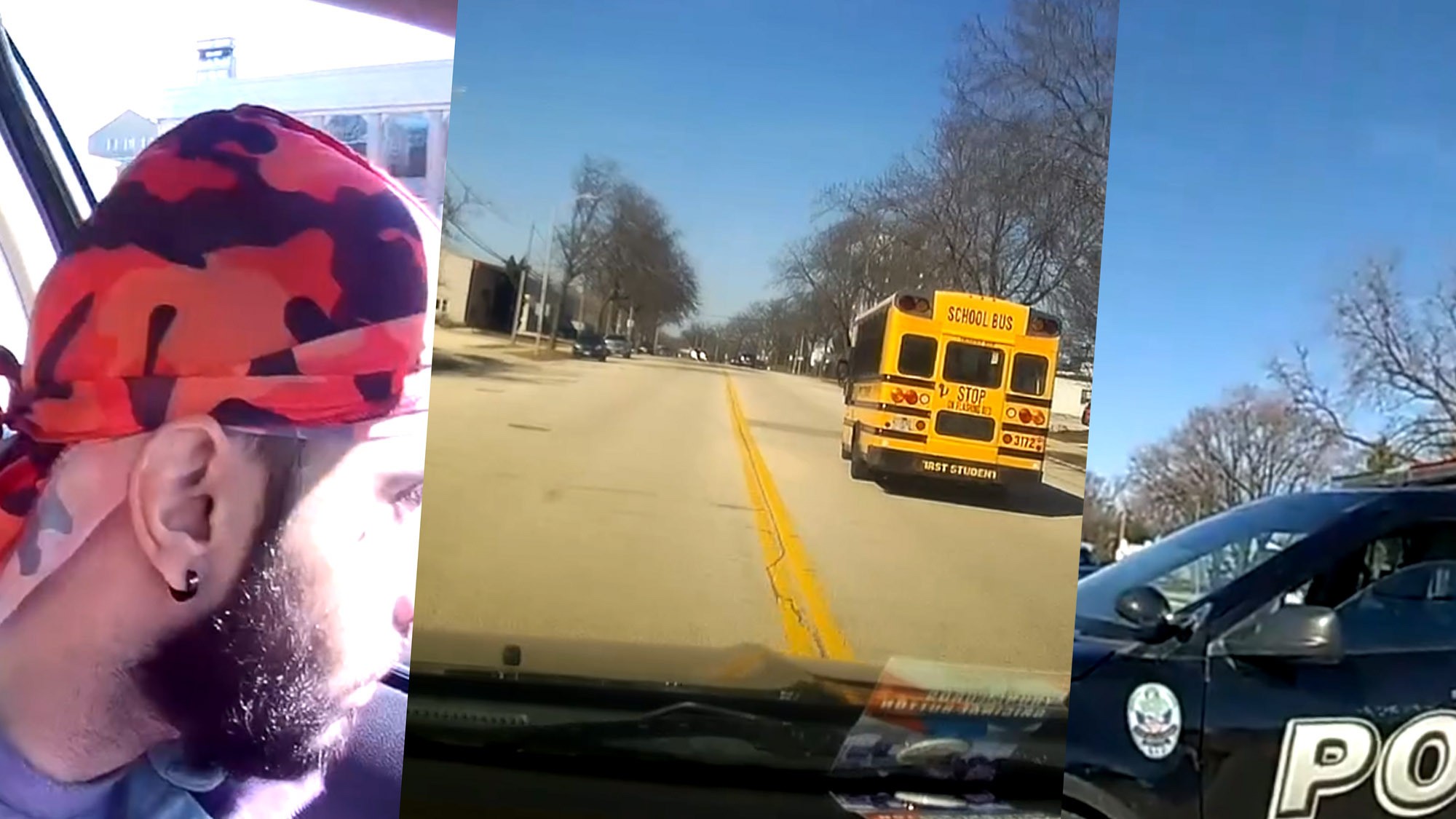
A Wisconsin man, Jason Andujar, is now serving a four-year prison sentence after his own dashcam footage condemned him for a road rage shooting. The incident, captured nearly two years ago, shows Andujar firing three shots from his vehicle at another driver during a traffic dispute.
The Incident Unfolds
The confrontation began with a verbal argument at a stoplight. Dashcam footage shows Andujar exchanging insults with the driver of a Chevrolet pickup truck before pulling out a handgun and shooting towards the other vehicle. Fortunately, no one was hit.
After the shooting, Andujar fled the scene, engaging in reckless driving, including illegally passing a stopped school bus and using a bike lane to evade traffic. Police tracked him down within three hours of the incident.
Confession Under Pressure
During questioning, detectives confronted Andujar with the dashcam evidence. Initially defensive, he eventually admitted to firing the gun, claiming he feared the other driver was armed. He told investigators, “He pulls it out, and I’m like ‘OK, we can go right here,’” essentially admitting to escalating the situation.
The Verdict and Aftermath
In May of 2025, Andujar was found guilty of recklessly endangering safety and sentenced to four years in prison, followed by three years of supervised release. This case highlights the increasing trend of individuals unwittingly recording their own criminal behavior, which is then used against them in court.
The irony is clear: the very technology intended to protect drivers—dashcams—can now be used to incriminate them.
This isn’t an isolated incident. Similar cases, including a driver in California who filmed reckless behavior and later faced conviction with a court-ordered GPS tracker, demonstrate that many individuals willingly record evidence that leads to their own downfall. The Andujar case serves as a stark reminder that actions, especially those captured on camera, have consequences.