For seven decades, the seatbelt has stood as one of the most effective automotive safety features ever invented. Now, Volvo is marking this milestone by introducing a next-generation “multi-adaptive” seatbelt in its upcoming EX60 SUV, aiming to further revolutionize in-car protection.
The History of a Lifesaver
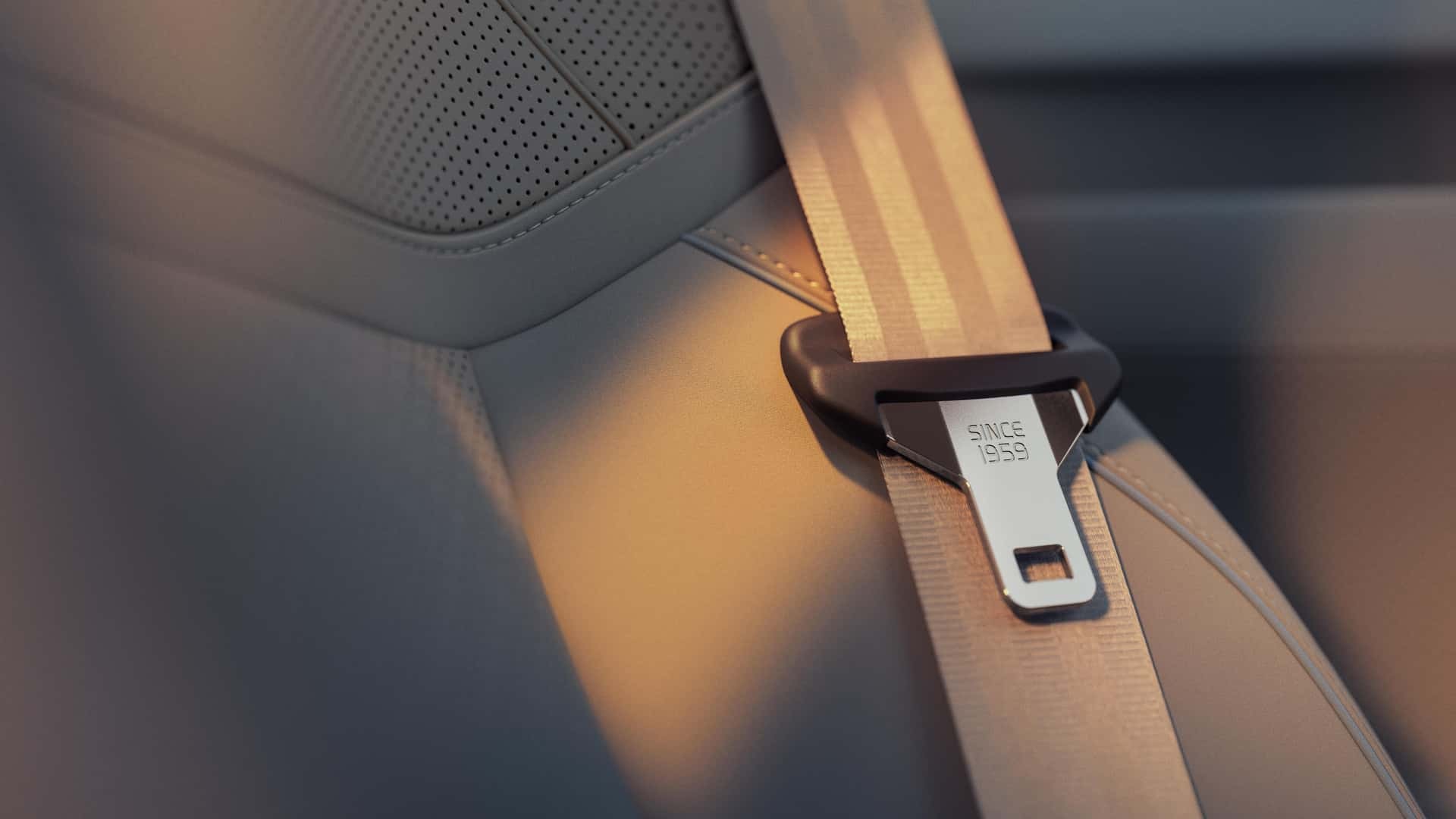
While debates linger over the exact patent date (Roger Griswold and Hugh de Haven filed in 1955), Volvo’s 1956 two-point diagonal belt is widely considered the first practical design. Just three years later, the company made history again by becoming the first automaker to include the now-standard three-point seatbelt—engineered by Nils Bohlin—as standard equipment. This innovation has been credited with saving countless lives globally.
The seatbelt’s development wasn’t just about compliance; it was a fundamental shift in automotive design. Before its widespread adoption, car manufacturers often resisted safety features, prioritizing aesthetics and cost over passenger protection. The seatbelt’s success forced a reckoning, setting a new standard for vehicle safety.
Introducing the Multi-Adaptive Seatbelt
Volvo’s new EX60 will feature a “multi-adaptive” seatbelt system designed to move beyond the limitations of a one-size-fits-all approach. The system uses real-time data from interior and exterior sensors to assess each passenger’s body type, seating position, and potential impact forces.
Based on this information, the seatbelt dynamically adjusts its tension and restraining strategy. For example, larger individuals may receive increased restraint to mitigate head injuries, while lighter passengers will experience reduced tension to minimize chest trauma. The system isn’t static; it learns from each event and improves over time via over-the-air software updates.
According to Nicole Melillo Shaw, Managing Director of Volvo Car UK, “Volvo has always been at the forefront of safety evolution and innovation… The latest multi-adaptive seatbelt in the new EX60 is a testament to our pioneering technology and approach to safety.”
Why This Matters
The shift towards adaptive restraint systems is significant. Traditional seatbelts offer broad protection but don’t account for individual differences. A system that tailors restraint based on real-time conditions has the potential to dramatically reduce injury severity in crashes, especially as vehicles become more autonomous and crash dynamics change.
The EX60, slated for release later this year, will be the first vehicle to showcase this technology. This marks the next step in Volvo’s long commitment to safety, solidifying its legacy as a pioneer in automotive protection.
The evolution of the seatbelt is more than a product upgrade; it’s a continuing effort to refine and adapt safety measures to protect all passengers.