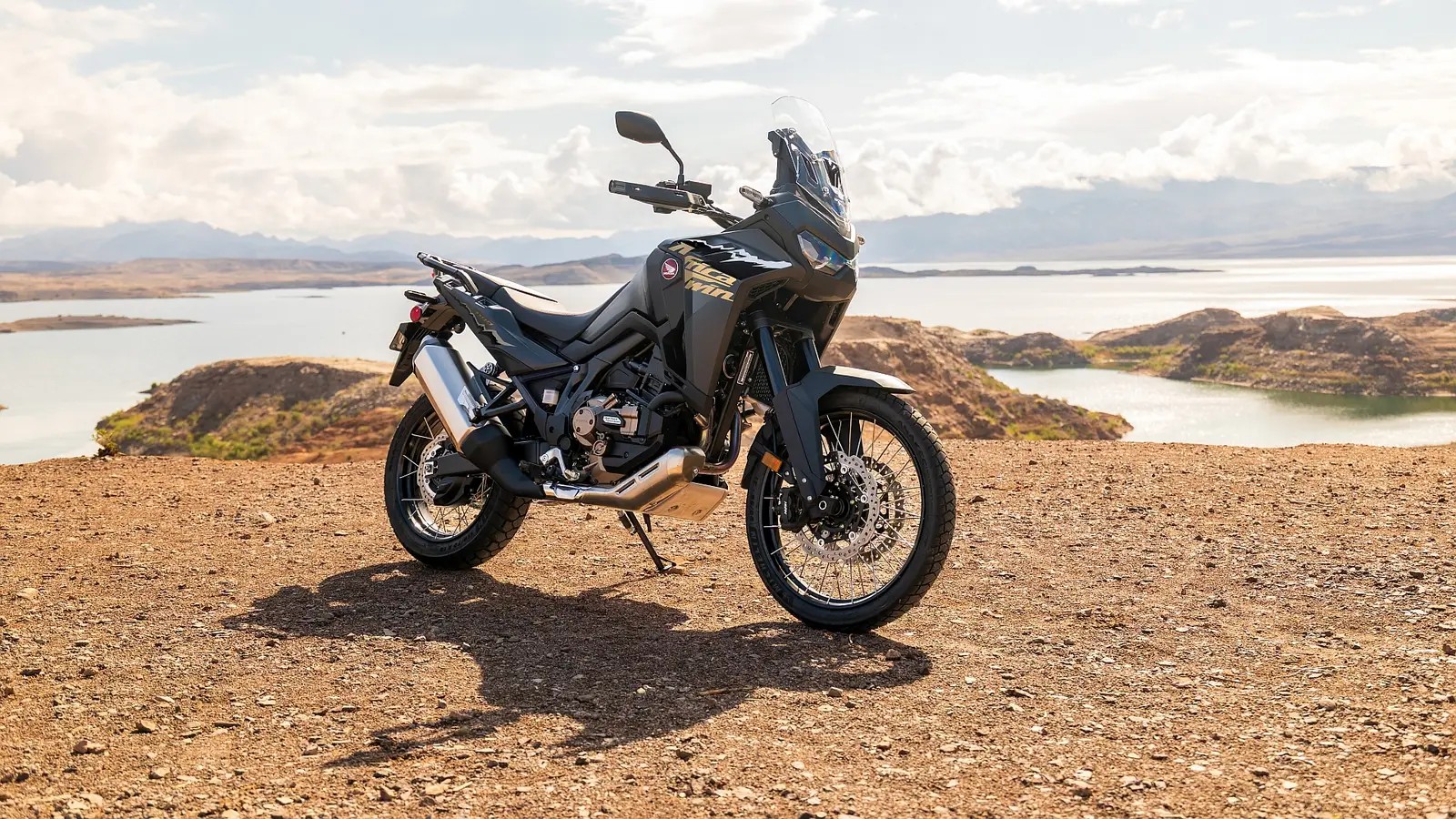
For riders who demand versatility, Honda’s Africa Twin stands out as a truly capable adventure motorcycle. In a market flooded with specialized options, the Africa Twin distinguishes itself by balancing on-road comfort with legitimate off-road prowess, all while remaining remarkably accessible in price.
A Legacy of Reliability and Performance
Honda’s adventure bike lineage traces back to the legendary XRV650 and XRV750 Africa Twins, born from Dakar Rally successes. These predecessors earned a reputation for durability and dependability, traits that Honda has carried into the modern era. After a hiatus, the Africa Twin returned in 2015 with the CRF1000L, followed by the refined CRF1100L in 2020, proving Honda’s commitment to this segment.
The Africa Twin isn’t about chasing top-tier specs; it’s about delivering real-world performance. Its sales figures speak for themselves: Honda has found a winning formula.
Power and Engineering: A Practical Approach
The Africa Twin is powered by a 1,084 cc parallel-twin engine that generates 100 horsepower and 82 pound-feet of torque. While these numbers don’t dominate the segment, the engine’s torque curve is exceptionally usable, providing strong pull in a variety of conditions. Honda’s Unicam SOHC head design keeps the engine compact, while a dry sump system maximizes ground clearance.
The bike offers either a six-speed manual transmission with a two-way quickshifter or Honda’s unique six-speed Dual Clutch Transmission (DCT). The DCT, a standout feature, provides automatic shifting or manual control via handlebar paddles, with specialized modes for aggressive or technical riding. The G Switch enhances low-speed clutch control for challenging terrain.
Chassis and Suspension: Built to Endure
The Africa Twin’s steel semi-double cradle frame is robust and designed to withstand abuse, both on and off the road. The suspension consists of a fully adjustable 45 mm inverted Showa fork and a Pro-Link rear unit, offering 9.1 inches of travel in the front and 8.7 inches in the rear.
Braking power comes from twin 310 mm front discs with radial four-piston calipers and a 296 mm rear disc with a single-piston caliper. The standard 21/18-inch wheel setup is optimized for off-road capability, with tubeless spoke rims for convenience.
Dimensions and Features: A Balanced Package
The Africa Twin measures 91.9 inches long and 37.8 inches wide, with a seat height of 34.3 inches (a lower 33.5-inch option is available). Its 9.8-inch ground clearance ensures confident off-road navigation. The bike’s 5-gallon fuel tank provides a reasonable range for extended adventures.
A 6.5-inch TFT touchscreen with Android Auto and Apple CarPlay integration offers modern connectivity. Additional features include Bluetooth, navigation, a secondary LCD display, and a comprehensive suite of electronic rider aids: HSTC traction control, ride modes (including customizable options), cornering ABS, wheelie control, and cruise control. Practical accessories like a center stand, engine guard, and luggage options further enhance the bike’s versatility.
Competition and Value: A Standout Choice
The Africa Twin occupies a unique space in the market. The Moto Guzzi Stelvio offers similar pricing but lacks the Africa Twin’s proven off-road pedigree. Higher-priced competitors like the BMW R 1300 GS, Ducati Multistrada V4 Rally, and KTM 1390 Super Adventure R are in a different class, while the Suzuki V-Strom 1050DE is a closer rival but leans more towards on-road touring.
Priced at $15,199 for the base model, the Africa Twin represents an exceptional value. Even the high-spec Africa Twin Adventure Sports ES DCT with electronic suspension and DCT transmission costs only $18,599.
The Honda Africa Twin isn’t just another adventure bike; it’s a well-engineered, reliable, and capable machine that delivers on its promise of being the ultimate do-it-all motorcycle.