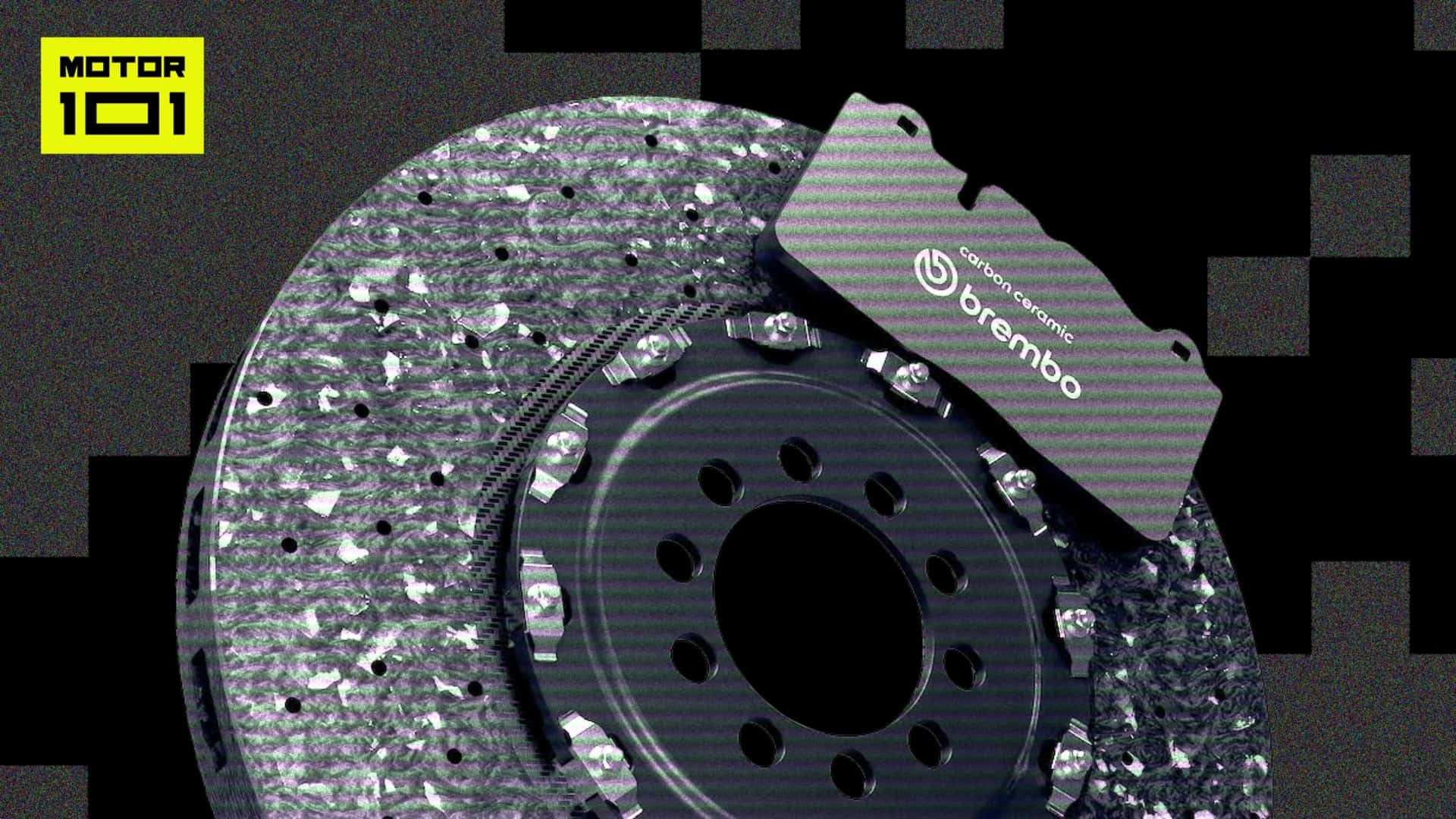
For many high-performance car buyers, the option of carbon ceramic brakes (CCBs) looms large – a six-figure upgrade that promises superior stopping power, durability, and exclusivity. But is this an essential performance enhancement, or a luxury for those who prioritize bragging rights over practical benefits? The answer, as with most things automotive, isn’t straightforward. This article breaks down what CCBs are, why they exist, and whether you should actually pay the premium.
The Basics: How Brakes Work
Before diving into carbon ceramics, understanding conventional brakes is crucial. All brakes function by applying friction to slow a rotating wheel. Behind each wheel sits a rotor (typically made of cast iron) and a caliper, which squeezes brake pads against the rotor when you press the pedal. The friction converts kinetic energy into heat, slowing the car. While simple in principle, these systems are constantly battling heat, wear, and weight.
What Makes Carbon Ceramic Different?
Traditional rotors are cheap and durable, but they’re also heavy and prone to fading under extreme heat. Carbon ceramic brakes replace the iron rotor with a composite of carbon fiber and silicon carbide, reinforced with ceramic. The result? A rotor roughly half the weight of its iron counterpart, able to withstand temperatures exceeding 1,400 degrees Fahrenheit without warping or losing effectiveness.
The key benefits of CCBs are clear: reduced unsprung weight (improving handling), superior heat resistance (preventing brake fade), and potentially longer lifespan. Some manufacturers claim CCBs last four times longer than iron rotors, while also producing dramatically less brake dust. The performance advantage isn’t about stopping shorter – it’s about maintaining consistent braking force under relentless use.
The Catch: Cost and Practicality
The performance gains come at a steep price. Adding CCBs to a Porsche 911 GT3, for example, adds over $10,000 to the sticker. BMW charges around $8,500 for the same upgrade on an M4. This isn’t just profit margin; CCBs are significantly more complex to manufacture. A single rotor can take weeks to produce, compared to 90 minutes for cast iron.
Beyond the initial cost, CCBs can be more sensitive to certain conditions. Cold temperatures or wet roads can reduce their effectiveness, and damage (even minor) is exponentially more expensive to repair. Replacing a damaged CCB rotor can easily cost as much as a used car.
Who Actually Needs Carbon Ceramic Brakes?
For the average driver, the answer is almost certainly no. The performance difference on the street is negligible. Unless you regularly track your car or engage in extreme driving, the benefits won’t justify the cost. Even for serious track enthusiasts, the long-term value isn’t guaranteed. Aggressive track use will eventually wear down CCBs, and replacement costs can quickly exceed the price of upgrading to high-performance iron rotors.
The ideal scenario for CCBs is simple: you own a high-performance vehicle that you frequently push to its limits. You prioritize consistent braking performance under extreme conditions, and you have the budget to replace them when necessary. Otherwise, the money is better spent on tires, suspension upgrades, or driver training.
The Bottom Line
Carbon ceramic brakes are a genuine performance upgrade, but they’re not a necessity for most drivers. The benefits are real, but the cost and maintenance make them a niche product. If you’re considering CCBs, ask yourself honestly: how often will you need them? If the answer isn’t “frequently,” stick with traditional brakes and enjoy the savings.