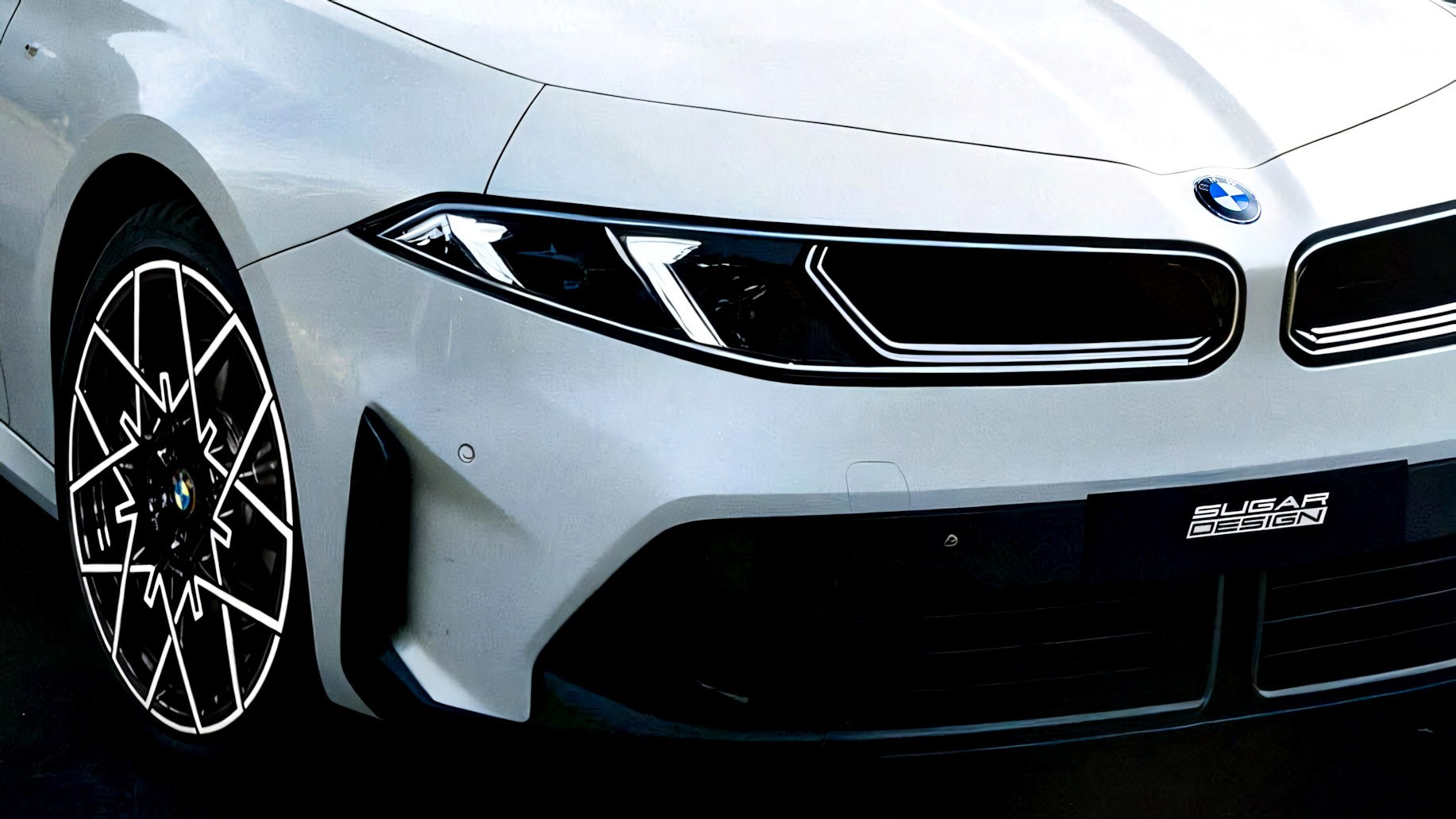
BMW is preparing to launch its next-generation 3-Series alongside the all-electric i3 sedan on March 18th, marking a shift in how the automaker approaches electric vehicles. Unlike its larger models, where EV and gasoline versions share nearly identical exteriors, the upcoming i3 and 3-Series will feature distinct designs, despite being closely related under the hood.
The EV-First Approach
This divergence is not about aesthetics alone. The i3 and the next 3-Series are built on different platforms. The i3 leverages BMW’s latest EV architecture – the same one used in the iX3 – while the 3-Series will use an updated version of the existing CLAR platform. This structural difference necessitates separate bodywork, including unique rooflines, side windows, and doors.
Renderings by Sugar Design reveal that the new 3-Series will adopt a more streamlined profile reminiscent of the current 5-Series, moving away from the sharper lines of the outgoing model. The front end will feature BMW’s “Neue Klasse” design language, with potentially subtle differences in headlight and kidney grille shapes compared to the i3. A lower, blacked-out bumper and LED taillights complete the sporty yet understated look.
What Lies Beneath the Surface?
The interior of both models is expected to be nearly identical, adopting BMW’s latest central infotainment display and Panoramic iDrive head-up display. Under the hood, the 3-Series will offer a familiar range of turbocharged four-cylinder and inline-six engines, with diesel and hybrid options available in certain markets.
Mild-hybrid versions of the 2.0-liter four-cylinder and 3.0-liter inline-six are anticipated, offering modest gains in efficiency and output. The next M350 (or its equivalent) will likely be powered by the inline-six, while the full M3 is expected to follow later with a mild-hybrid setup. BMW may skip a plug-in hybrid system for the M3 in favor of lighter electrification, potentially surpassing the current model’s 473–523 hp output.
BMW’s decision to split the designs of the i3 and 3-Series highlights a growing trend in the automotive industry: EVs are no longer just gasoline cars with batteries swapped in. They’re increasingly designed and engineered as separate entities, optimized for their unique powertrains and platforms.
This strategic move reflects BMW’s commitment to differentiating its electric models from their combustion counterparts, ensuring that EVs stand out as distinct products rather than afterthoughts. The result will be two closely related yet visually separate vehicles, each tailored to its respective powertrain.