Audi is shifting its luxury focus from sedans to SUVs with the upcoming Q9, set to become the brand’s new flagship model later this year. This move directly follows the discontinuation of the A8 limousine, marking a strategic realignment towards larger, more globally-demanded vehicles.
The End of an Era for Audi Sedans
The decision to retire the A8 isn’t surprising: demand for traditional luxury sedans has been steadily declining in favor of SUVs, especially in key markets like the United States, China, and the Middle East. This shift reflects broader consumer preferences, where SUVs are seen as more versatile and prestigious. The Q9 is designed to fill that void, offering the same high-end experience as the A8 but in a package better suited to current tastes.
Q9: Size, Luxury, and Target Markets
The Q9 will be Audi’s largest SUV yet, positioned above the existing Q7 in terms of both size and opulence. Customers can choose between seven-seater or a more exclusive six-seat configuration with individual rear seats, emphasizing passenger comfort. According to Audi CEO Gernot Döllner, the Q9 is “a particularly important model for the US,” indicating its primary focus on North American, Chinese, and Middle Eastern buyers. However, the UK market will also receive the new model.
Technical Details and Powertrains
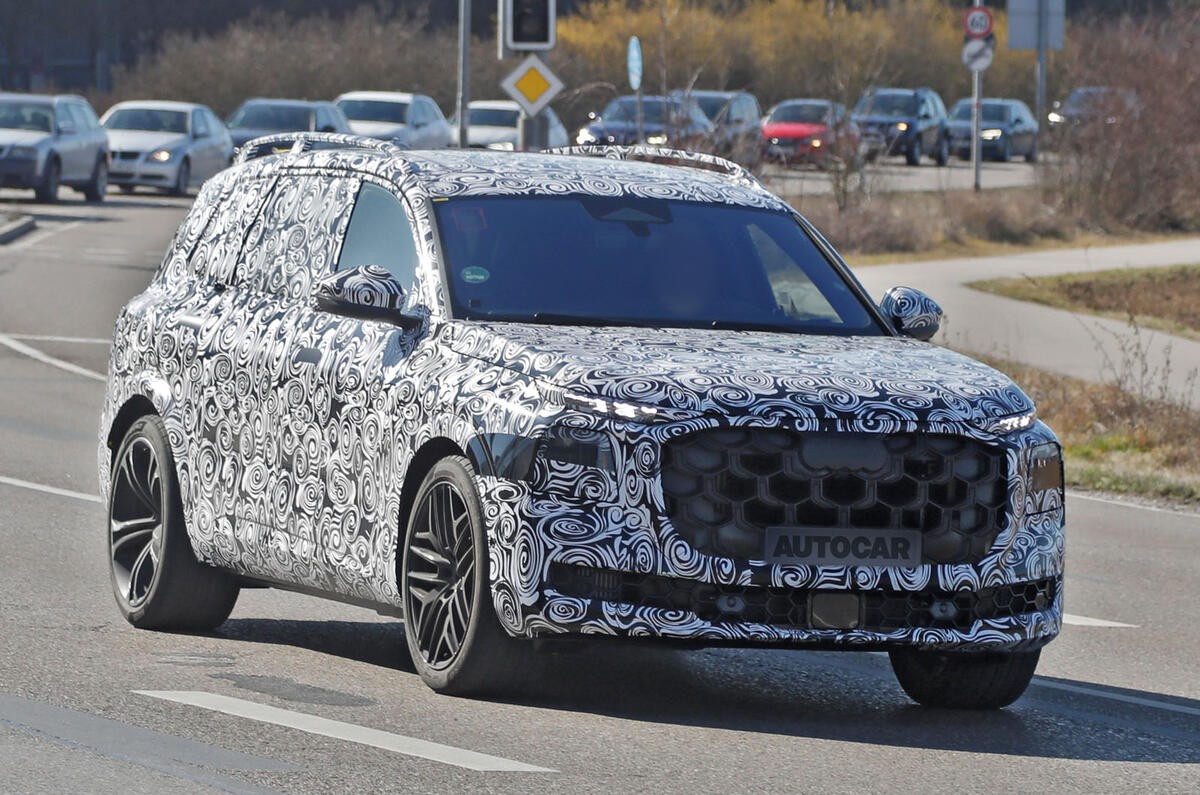
While official specifications remain limited, spy shots reveal a prominent design with an extended hood and a larger version of Audi’s signature ‘single-frame’ grille. The Q9 will likely be built on an extended version of Volkswagen Group’s Premium Platform Combustion (PPC), supporting various powertrains. The range-topping SQ9 is expected to feature a powerful twin-turbo 4.0-liter petrol V8 engine.
The Audi Q9 represents a clear bet on the continued dominance of SUVs in the luxury automotive market, replacing a flagship sedan with a vehicle designed to appeal to modern consumer desires for space, comfort, and status.