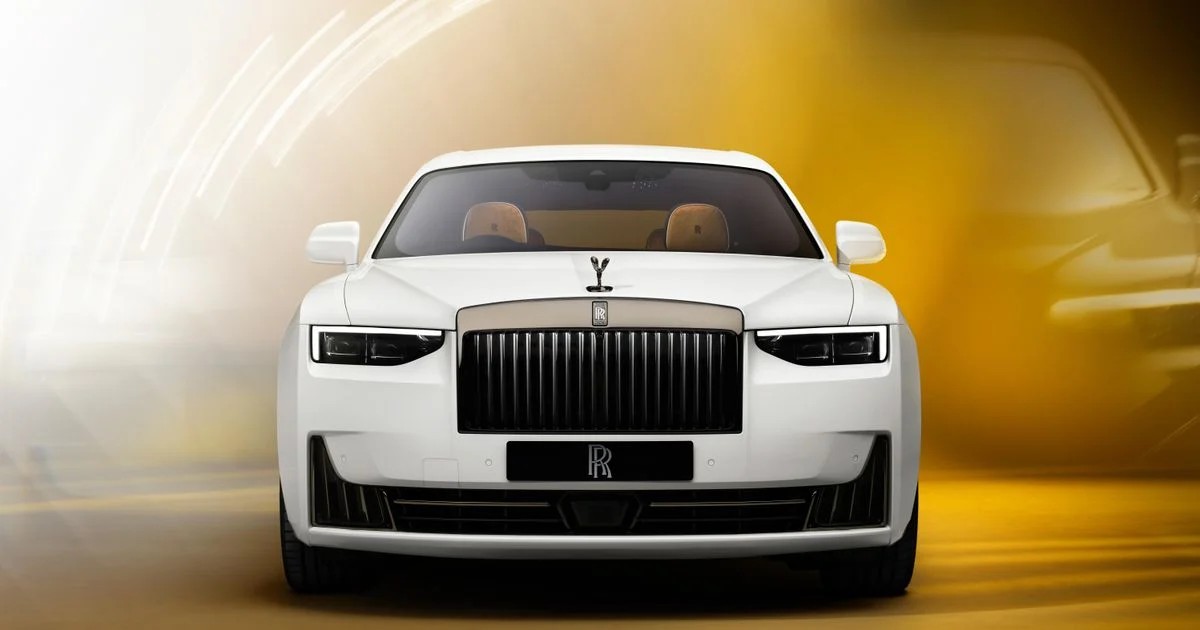
Rolls-Royce has abandoned its previous commitment to become an all-electric vehicle manufacturer by 2030, opting instead to continue producing its iconic V12 engines indefinitely. The shift in strategy comes as global regulations surrounding combustion engine vehicles loosen, and demand for electric models proves less certain than initially projected.
The Shift in Strategy
The decision, announced by CEO Chris Brownridge, marks a significant reversal from the 2022 pledge made under former leadership. At that time, Rolls-Royce anticipated EVs would comprise 70% of its sales by 2028, with V12 production ending by 2030. However, Brownridge stated that the earlier prediction was based on a “different set of circumstances,” specifically citing changes in emissions legislation.
Regulatory Changes Driving the Decision
Key regulatory shifts include the European Union’s scrapping of its planned 2035 ban on new petrol and diesel car sales. Instead, the EU will enforce a 90% fleet-wide CO2 emission reduction target by 2035 compared to 2021 levels. Simultaneously, the United States has removed penalties for exceeding CAFE fuel economy targets and even terminated a $7,500 federal tax credit for EV purchases.
These policy changes reduce the urgency for automakers to accelerate their transition to EVs, providing more flexibility in production strategies.
Current EV Sales and Future Outlook
Despite the Spectre EV coupe’s launch, Rolls-Royce’s electric sales currently account for just 17.7% of total vehicle sales (down from 33% the previous year). The company’s CEO declined to set any new zero-emission targets, emphasizing the brand’s commitment to fulfilling client demand.
“We build what is ordered,” stated Brownridge, signaling a willingness to maintain V12 production as long as customers continue to desire it.
The Broader Trend
Rolls-Royce is not alone in reassessing its EV timeline. Other legacy brands, including Alfa Romeo, Opel/Vauxhall, Bentley, and Volvo, previously announced full EV transitions by 2027-2030. Within the BMW Group, Rolls-Royce was the only brand to commit to such an aggressive deadline.
The reversal underscores the growing uncertainty in the automotive industry regarding the pace of EV adoption. While electric vehicles remain a critical part of future mobility, automakers are adjusting to changing market conditions and regulatory landscapes.
Ultimately, Rolls-Royce’s decision reflects a pragmatic approach: adapting to client preferences and evolving regulations, rather than rigidly adhering to a previously set deadline.