Leapmotor’s B10 Hybrid EV challenges the traditional plug-in hybrid formula, offering a range-extender system that prioritizes the electric driving experience while minimizing range anxiety. Priced competitively, this SUV targets buyers who want the benefits of an EV without the limitations of battery capacity.
Design and Dimensions
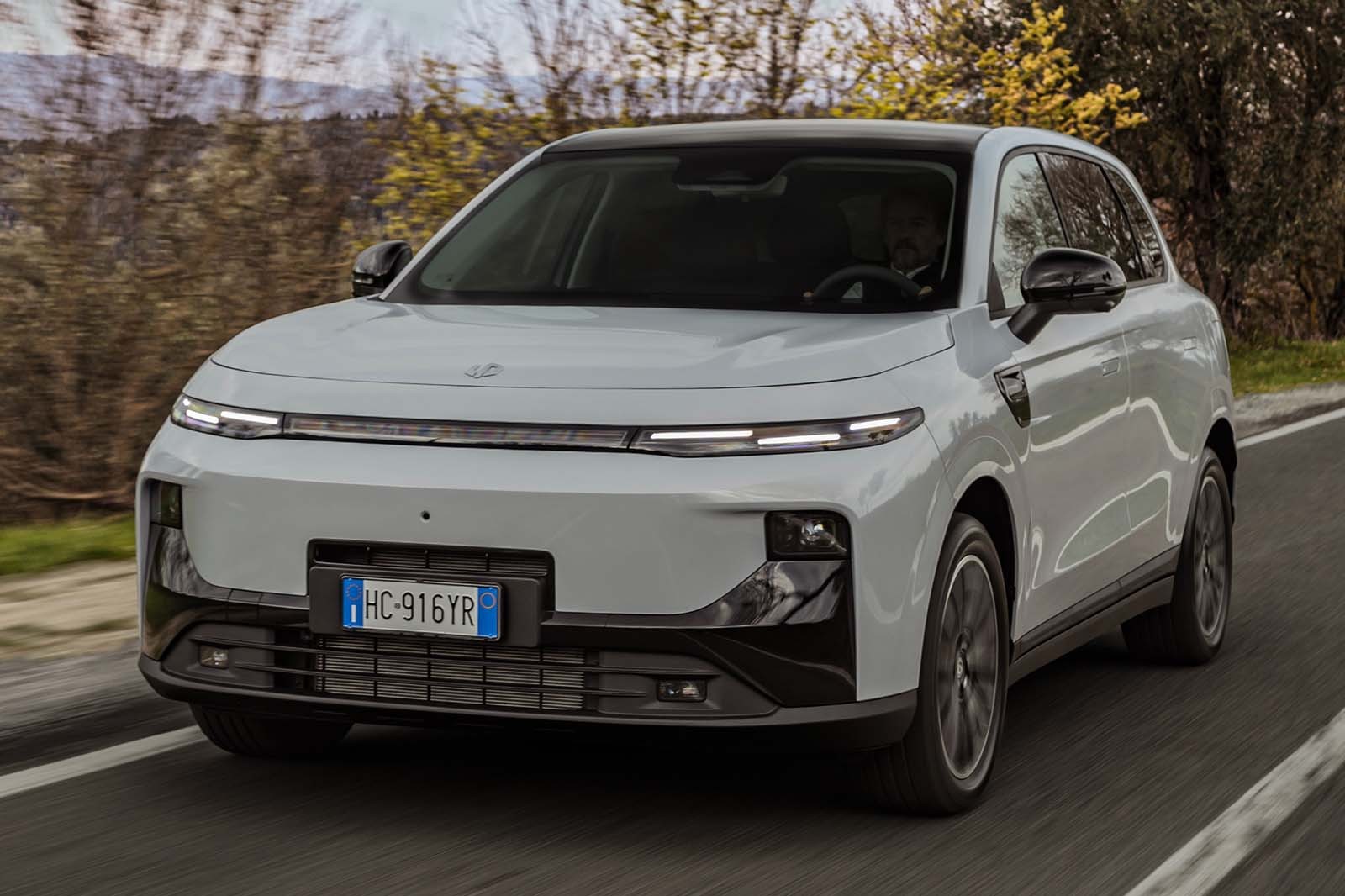
The B10 measures 4515mm in length, 1885mm in width, and 1655mm in height, closely mirroring the dimensions of popular family SUVs like the Kia Sportage. While its exterior design isn’t groundbreaking, it incorporates modern elements such as sleek LED headlights and a rear light bar. The aesthetic is functional rather than flamboyant, blending in with current automotive trends.
Powertrain and Range
Unlike conventional plug-in hybrids that rely heavily on the combustion engine, the B10 utilizes a 1.5-liter four-cylinder petrol engine solely as a generator. This setup powers a rear-mounted 212bhp electric motor, drawing energy from an 18.8kWh lithium-iron-phosphate (LFP) battery.
Leapmotor’s approach aims to deliver the smooth, silent operation of an EV while extending the overall range to up to 559 miles. Electric-only range is rated at 50 miles, making it suitable for daily commutes without needing frequent charging. The engine’s function is purely to maintain the battery level, ensuring seamless acceleration without the engine’s direct involvement.
Interior and Technology
The B10’s cabin mirrors its all-electric sibling, featuring an 8.8-inch digital instrument display and a dominant 14.3-inch touchscreen infotainment system. The interior offers a premium feel with faux-leather seats (heated and ventilated) and a panoramic roof.
However, the infotainment interface is a weak point. Despite being responsive, the system suffers from excessive menus and sub-menus, making operation while driving cumbersome. Shortcut buttons are present but too small, forcing drivers to divert attention from the road. Apple CarPlay and Android Auto are available, providing a more intuitive alternative to the car’s native navigation.
While the cabin is generally comfortable, build quality inconsistencies exist. Cupholders feel flimsy, dashboard materials appear cheap, and hard plastics are prevalent in lower areas. Despite these shortcomings, softer materials are used on high-touch surfaces like door tops and the center console.
Rear passenger space is generous, with ample headroom and legroom. The flat floor improves comfort for middle-seat occupants, though shoulder room is limited for three adults. Cargo space is adequate at 330 liters, falling short of competitors like the Volkswagen Tiguan PHEV (490 liters).
Driving Experience
The B10 delivers a smooth, refined driving experience that prioritizes comfort over sportiness. Acceleration to 62mph takes 8.5 seconds, providing sufficient pace for everyday driving. The powertrain is hushed, with the engine remaining nearly silent even under hard acceleration.
Four driving modes – EV, EV+, Fuel, and Power+ – optimize efficiency and range. EV+ mode preserves the engine until the battery reaches 9%, while Fuel mode uses the engine to maintain battery levels. Power+ actively charges the battery while driving, ensuring continuous electric operation.
The B10’s suspension is soft, resulting in a floaty ride on highways. Body roll is noticeable in corners, reducing driver confidence at higher speeds. Steering lacks feedback, with Comfort mode feeling light and remote, while Sport mode feels overly elastic. Despite this, the suspension effectively absorbs bumps on rough roads, though larger potholes transmit noticeable thuds into the cabin.
Safety and Driver Assistance
The B10 suffers from overzealous advanced driver-assistance systems (ADAS). Lane keeping assistance can aggressively pull the car back into its lane, even when the driver is safely positioned away from lane markings. Disabling the system triggers persistent warnings, making it frustrating to use.
Verdict
The Leapmotor B10 Hybrid EV is a technically innovative but ultimately underwhelming package. Its range-extender technology is compelling for those seeking EV-like driving without range limitations, but its shortcomings in ride quality, infotainment usability, and build quality hold it back.
While the B10 offers an affordable entry point into the hybrid market, competitors like European and Korean rivals provide a more polished and complete experience. For buyers prioritizing practicality, refinement, and ease of use, alternative options offer better value for money.