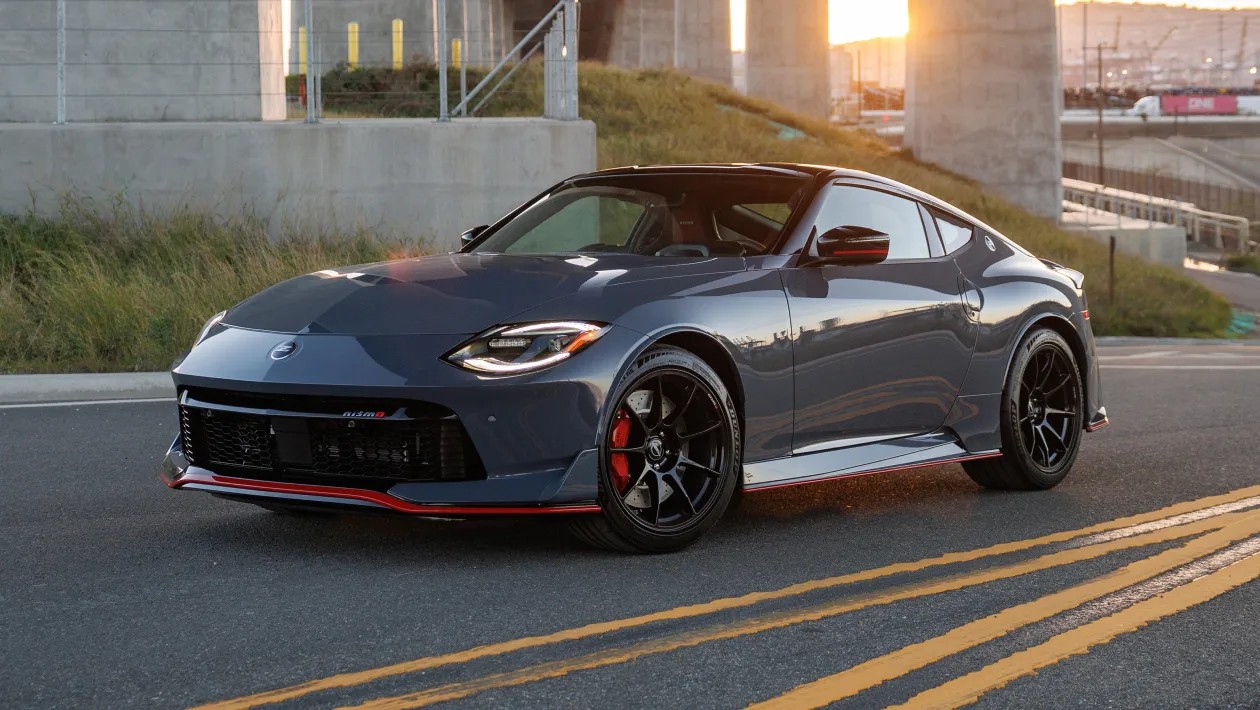
Nissan may still bring its popular Z sports car to the United Kingdom, according to Jordi Vila, the company’s European sales and marketing VP. Despite regulatory challenges and shifting market trends, the possibility remains open for petrolheads hoping to drive the Japanese automaker’s latest offering on British roads.
Regulatory Challenges and Adaptations
The Nissan Z’s 3.0-liter twin-turbo V6 engine faces scrutiny under increasingly strict Euro 7 emissions standards. Adapting the powertrain for European regulations is the likely solution, rather than developing a separate engine just for Europe. Vila stated that any power reduction from such adaptation would be “minor,” suggesting Nissan is committed to preserving the car’s core performance.
This isn’t about inventing a new engine; it’s about making an existing one compliant. The automotive industry is moving towards electrification, but some enthusiasts still want the raw experience of combustion engines. That’s why Nissan is taking the time to study how to make this work.
Upcoming Upgrades and Nismo Variant
Nissan recently upgraded the Z, with updated models scheduled for release elsewhere this summer. A high-performance Nismo variant will also debut, offering enhanced driver engagement through sharper engine response, improved torque, and weight reduction.
While the Nismo may not reach the UK, the standard Z would still be a rare find in a shrinking market segment. The appeal lies in its traditional formula: a rear-wheel-drive coupe with a manual gearbox.
Market Realities and Competition
The UK car market increasingly favors profitable mainstream vehicles like SUVs and EVs. Investing in a niche sports car like the Z is a gamble, given its limited sales potential. However, the competition is thinning; the Toyota GR86 and GR Supra have recently left the sports coupe segment. The Honda Prelude is a new contender, but it prioritizes comfort over the Z’s raw driving experience.
The decision to bring the Z to the UK comes down to how much Nissan is willing to invest in a car that won’t sell in huge numbers, given its focus on higher-margin mainstream models.
Conclusion
Nissan’s willingness to bring the Z to the UK hinges on overcoming regulatory hurdles and justifying the investment in a niche market. The car’s potential arrival would fill a gap left by departing competitors, offering enthusiasts a rare analogue driving experience. But ultimately, the decision rests on whether the brand deems the gamble worth the risk in a market dominated by SUVs and EVs.