The electric van market is surging, driven by lower running costs and increasingly practical range. Whether you need a compact city van or a large load-hauler, there’s now an electric option to suit almost any business. This guide breaks down the top contenders, examining their strengths, weaknesses, and why they matter in today’s rapidly evolving commercial vehicle landscape.
Why Electric Vans Matter Now
The shift toward electric vans isn’t just about environmental concerns. Total cost of ownership is a major factor. Electric models reduce fuel expenses, require less maintenance, and may qualify for tax incentives. However, charging infrastructure and daily mileage requirements remain key considerations. If your operation relies on frequent long-distance trips without reliable charging access, an electric van might not yet be the ideal solution.
Top Electric Van Picks
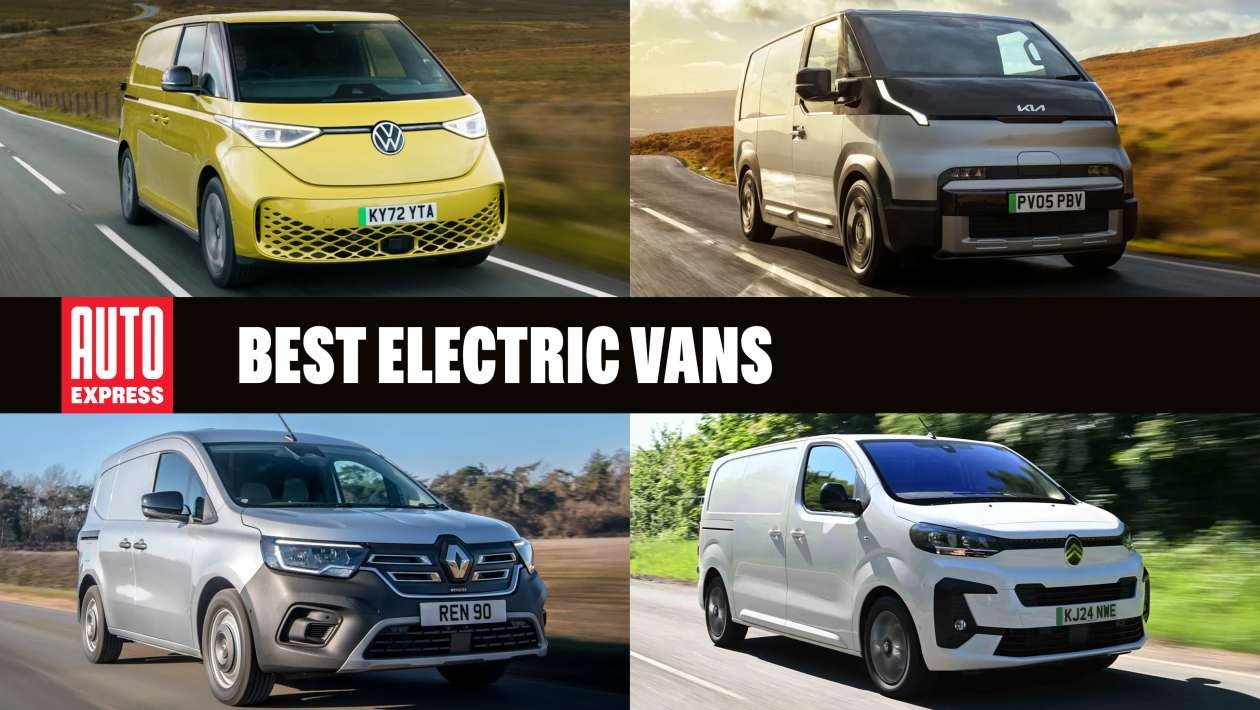
Here’s a ranked overview of the best electric vans available in the UK as of 2026, with key specs and performance details:
- Renault Master E-Tech: £47,100 (excl. VAT) – 285-mile range, 1,125kg payload, 14.8 cubic meters.
- Ford E-Transit Custom: £43,630 (excl. VAT) – 204-mile range, 1,088kg payload, 6.8 cubic meters.
- Citroen e-Berlingo/Fiat e-Doblo/Peugeot e-Partner/Toyota Proace City Electric/Vauxhall Combo Electric: £28,995 (e-Berlingo) – 220-mile range, 781kg payload, 4.4 cubic meters.
- Ford E-Transit: £51,600 (excl. VAT) – 249-mile range, 1,423kg payload, 15.1 cubic meters.
- Volkswagen ID.Buzz Cargo: £31,450 (excl. VAT) – 276-mile range, 712kg payload, 3.9 cubic meters.
- Ford E-Transit Courier: £27,000 (excl. VAT) – 181-mile range, 698kg payload, 2.9 cubic meters.
- Citroen e-Dispatch/Fiat e-Scudo/Peugeot e-Expert/Toyota Proace Electric/Vauxhall Vivaro Electric: £41,210 (e-Dispatch) – 231-mile range, 1,026kg payload, 6.6 cubic meters.
- Kia PV5 Cargo: £27,645 – 258-mile range, 780kg payload, 5.0 cubic meters.
- Renault Kangoo E-Tech/Nissan Townstar EV/Mercedes eCitan: £34,420 – 186-mile range, 440kg payload, 4.9 cubic meters.
- Citroen E-Relay/Fiat E-Ducato/Peugeot E-Boxer/Toyota Proace Max Electric/Vauxhall Movano Electric: £47,865 (e-Relay) – 263-mile range, 1,135kg payload, 15.0 cubic meters.
Detailed Reviews: Key Standouts
Renault Master E-Tech: The Heavy Lifter
The Renault Master E-Tech is currently the best option for businesses needing maximum payload capacity. At 1,125kg, it surpasses many competitors, making it ideal for construction, deliveries, or any operation requiring significant hauling power. The 285-mile range is also competitive, though real-world figures will vary depending on load and driving conditions.
Ford E-Transit Custom: The All-Rounder
The Ford E-Transit Custom strikes a balance between practicality, range (204 miles), and payload (1,088kg). Its car-like handling makes it comfortable for drivers spending long hours behind the wheel. The familiarity of the Transit name is a selling point for businesses already operating a diesel fleet.
Citroen e-Berlingo (and Variants): The Compact Choice
For urban deliveries and smaller loads, the Citroen e-Berlingo (along with its Peugeot, Fiat, Toyota, and Vauxhall counterparts) offers a cost-effective solution. At under £29,000, it’s one of the most affordable electric vans on the market. The 220-mile range is sufficient for many city-based operations.
Considerations Before Switching
Switching to an electric van requires careful planning. Assess your daily mileage, charging infrastructure availability, and payload requirements. Electric vans typically have higher upfront costs but lower running costs. Government incentives and tax breaks can help offset the initial investment.
Conclusion
The electric van market is rapidly maturing, offering viable alternatives to traditional diesel models. The Renault Master E-Tech leads in payload, while the Ford E-Transit Custom excels in all-around usability. The Citroen e-Berlingo provides an affordable entry point for smaller operations. As battery technology improves and charging infrastructure expands, electric vans will become an increasingly dominant force in the commercial vehicle sector.