The Dacia Jogger has rapidly become a standout choice in the family car segment, offering exceptional value for money. Initially launched in 2021, it arrived at a time when budget-friendly options were dwindling, and now faces competition from emerging Chinese brands. This has pushed Dacia to refine its products further, making the Jogger an even more compelling purchase, especially on the used market.
What Makes the Jogger Stand Out?
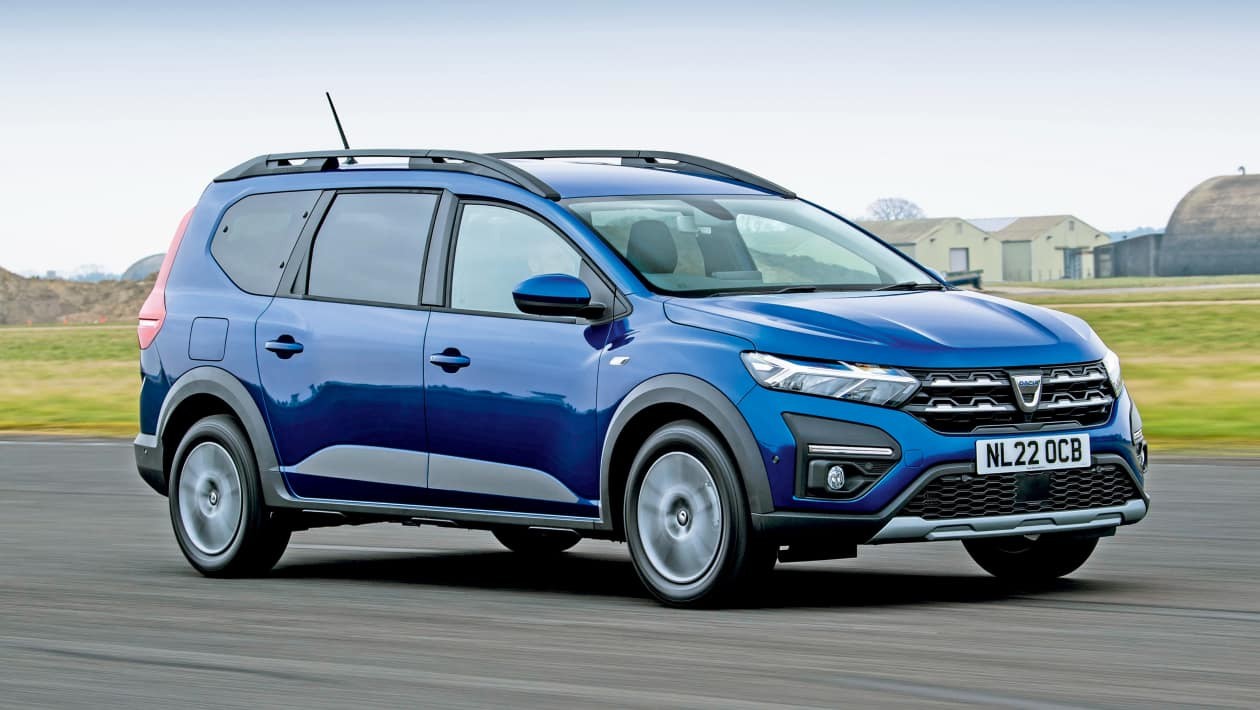
The Jogger defies easy categorization. Is it an SUV, an MPV, or a high-riding estate? The answer is none of the above – it’s a practical, versatile vehicle designed to maximize space and affordability. The Jogger stands out by offering seven seats at a price point typically reserved for smaller, five-seat vehicles. This makes it a unique proposition in the current automotive landscape.
Despite a somewhat controversial one-star Euro NCAP safety rating, the Jogger remains popular, proving that many buyers prioritize functionality and cost over top-tier safety scores.
History and Model Evolution
The Jogger debuted in September 2021, initially with a single 1.0-liter TCe 110 petrol engine and three trim levels: Essential, Comfort, and Extreme SE. By January 2023, the Hybrid 140 model joined the lineup, combining a 1.6-liter petrol engine with dual electric motors for a combined 138 bhp. Both engine options are front-wheel drive. The 1.0 TCe came with a six-speed manual, while the hybrid was exclusively automatic.
In early 2023, trim names were updated to Essential, Expression, and Extreme, with the latter gaining unique interior accents and a distinctive green paint option. A significant facelift arrived in late 2025, bringing exterior styling tweaks, improved infotainment, and higher-quality interior materials. The Hybrid 140 was also replaced by the more powerful Hybrid 155, featuring a 1.8-liter petrol engine.
On the Road: Comfort Over Sport
The Jogger is mechanically related to the Renault Clio, delivering predictable handling. Its focus is on practicality and comfort rather than driving thrills. Steering, brakes, suspension, and powertrains are all competent but unremarkable. The manual and automatic transmissions are pleasant, while the hybrid offers adjustable regenerative braking.
The 1.0 TCe engine may feel underpowered when fully loaded with passengers, making the Hybrid 155 a preferable choice for those who frequently use all seven seats. The hybrid powertrain isn’t seamless, with noticeable transitions between electric and petrol modes.
Which Jogger Should You Buy?
Avoid the base Essential trim, which lacks essential features like alloy wheels or modern infotainment. Expression trim adds rear parking sensors, climate control, and a touchscreen, making it a far more practical choice. The Extreme trim offers further upgrades, including heated front seats and an improved audio system.
If you plan to tow, stick with the 1.0 TCe, which has a higher towing capacity (1,200 kg) compared to the Hybrid (750 kg).
Pricing and Alternatives
Used Joggers are available for around £11,000, with hybrid models commanding a £5,000 premium. Extreme and Extreme SE trims are the most popular choices.
Alternatives include the Citroen C3 Aircross, Vauxhall Frontera (soon to rival the Jogger in value), and traditional MPVs like the Ford Galaxy or SEAT Alhambra. Van-based MPVs, such as the Citroen Berlingo and Peugeot Rifter, offer competitive space and practicality.
Common Issues and What to Check
Some early 1.0 TCe models experienced premature clutch and dual-mass flywheel failure. Listen for rattles or vibrations during idle. Dacia issued one recall in 2024 for Joggers produced between March and October, addressing improperly tightened rear suspension bolts. Verify if a vehicle has been inspected through the official Dacia recall checker at www.dacia.co.uk/recall-campaigns.html.
Running Costs and Reliability
The Jogger is economical to run, with services alternating between Minor (£185) and Major (£245) every 12 months or 12,000 miles. Brake fluid replacement is required every three years (£100). Chain-driven engines eliminate the need for costly cambelt replacements. Road tax is a flat £195, and insurance costs are reasonable. Fuel economy averages 48 mpg for the TCe, 56 mpg for the Hybrid 140, and up to 61 mpg for the Hybrid 155.
Conclusion
The Dacia Jogger is a compelling used car option that delivers exceptional value without compromising practicality. While it may not be the most luxurious or safest vehicle on the market, its spacious interior, affordable price, and low running costs make it an ideal choice for families on a budget. If you need a reliable, versatile seven-seater without breaking the bank, the Jogger deserves serious consideration.