For most riders, a high-performance motorcycle is judged by speed, power, and cutting-edge technology. Durability is rarely the first concern—after all, many sportbikes see crashes or mechanical failures before they ever reach old age. However, reliability is a critical factor in racing success, where finishing a race often hinges on a machine that can withstand relentless stress. This makes a durable sportbike more valuable than many realize.
Japanese Engineering: A Reputation Earned
Japanese motorcycle manufacturers have built a strong reputation for reliability, extending across their entire lineups. From entry-level cruisers to track-focused machines, Japanese bikes are known for their robustness. Some manufacturers, like Yamaha with the first crossplane R1, have even traded peak horsepower for long-term dependability. Yet, one model stands out as a benchmark for durability: the Honda CBR600RR.
The CBR600RR: Redefining Endurance
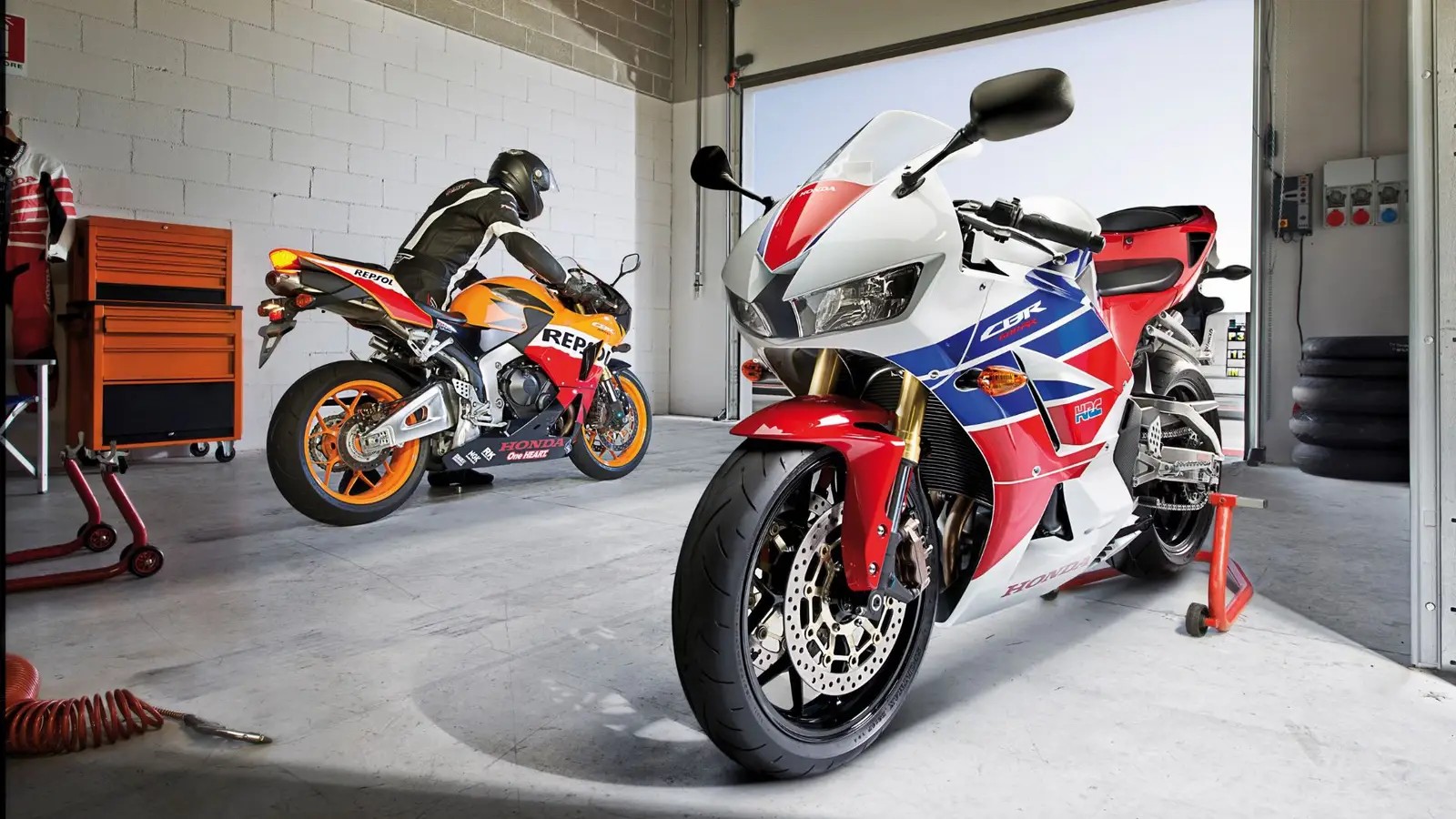
The Honda CBR600RR is a middleweight sportbike designed without compromise. Unlike its more versatile sibling, the CBR650R, the RR model is a pure track weapon. Its engine was even chosen as the standard powerplant for the Moto2 racing series from 2010 to 2018. Remarkably, the same engine has been available in the U.S. market since 2013, with the latest 2021 model still pending release. This longevity, combined with its ability to endure rigorous track use with minimal maintenance, cements the CBR600RR’s reputation for extreme durability.
Pricing and Value: A Last-Generation Advantage
At $11,499 (or $12,499 with ABS), the CBR600RR’s price aligns with competitors. However, it undercuts newer models like the Yamaha YZF-R9, which offers updated electronics but similar performance. The Honda’s simpler technology may be a benefit, as fewer complex systems mean fewer potential failure points.
An Engine from a Bygone Era
Modern emissions standards are pushing manufacturers away from high-revving inline-fours, but the CBR600RR represents a throwback to that era. Its 599cc ‘screamer’ engine features a 12.2:1 compression ratio, a short-stroke design, and produces 118 horsepower at 13,500 RPM. A close-ratio six-speed gearbox delivers power to the rear wheel, allowing for a top speed of 160 mph.
The engine incorporates Honda’s PGM-DSFI dual-stage fuel injection, with a secondary injector activating under high throttle and RPM. This system contributes to the CBR600RR’s claimed fuel economy of around 40 MPG. Notably, it still uses a cable throttle and lacks a quickshifter, even as an optional upgrade.
Chassis and Handling: Built for Precision
The CBR600RR’s twin-spar aluminum chassis and aluminum swingarm provide a rigid foundation. Showa SFF-BP forks and a Unit Pro-link rear shock offer full adjustability, with 4.1 inches of front travel and 5.1 inches at the rear. Braking is handled by dual 310mm discs with Tokico radial four-piston calipers up front, and a single 220mm disc with a Nissin caliper at the rear. Lightweight 17-inch alloy wheels and track-ready radial tires complete the package.
The bike’s aggressive rider triangle—long reach to the handlebars, high hip position, and rearset footpegs—prioritizes track performance over street comfort. The 32.4-inch seat height is manageable, but the limited steering lock and forward weight bias can make it intimidating for inexperienced riders. The CBR600RR weighs 419 pounds (434 with ABS) and has a compact 53.9-inch wheelbase.
A Minimalist Approach to Features
Being an older design, the CBR600RR has a basic feature set. The analog tachometer and LCD display with orange backlighting provide essential information, including fuel level and an electronic steering damper. However, it lacks modern conveniences like a TFT screen or advanced electronic rider aids beyond optional dual-channel ABS.
Japanese Reliability Across the Board
While the CBR600RR is exceptional, other Japanese sportbikes also stand out for their durability. The Yamaha YZF-R3 has been continuously refined and now includes inverted forks, LED lighting, and smartphone connectivity. The Honda CBR500R and Kawasaki Ninja 650 share a parallel-twin engine known for its reliability. The Honda CBR650R adds an E-Clutch semi-automatic gearbox for added versatility. The Suzuki GSX-R750, mechanically unchanged since 2011, offers a proven combination of power and durability. Even the standard Honda CBR1000RR provides dependable performance with 186 horsepower.
The Honda CBR600RR is more than just a motorcycle; it’s a testament to the enduring value of simple, robust engineering. In an era of ever-increasing complexity, the RR remains a reliable choice for riders who prioritize durability above all else.