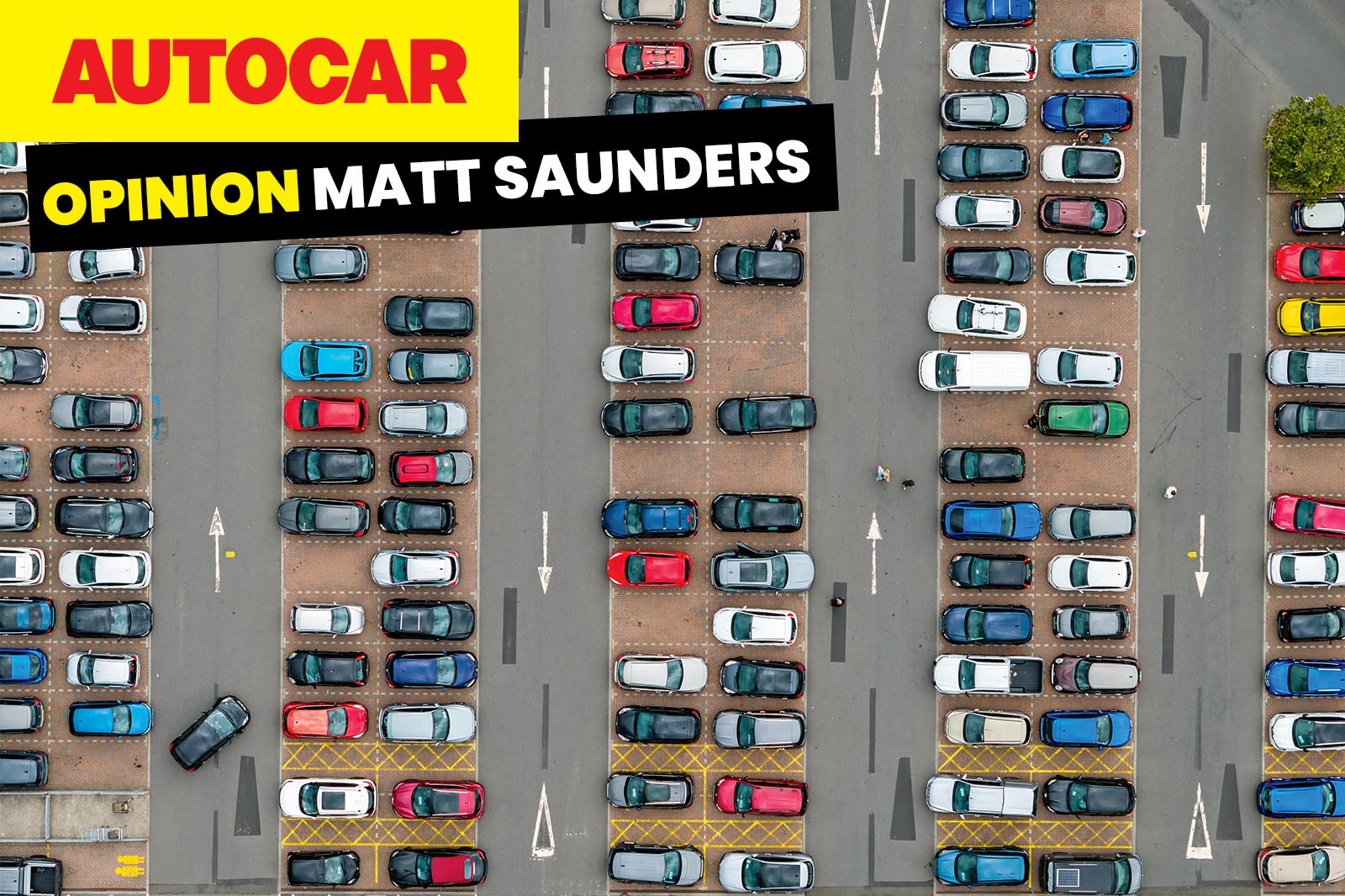
Bad parking is rampant, yet few openly criticize it. This needs to change. Cars are growing larger while parking spaces remain stubbornly small, and parking lots are increasingly crowded, making proper technique essential. Ignoring this isn’t just inconsiderate; it’s becoming actively dangerous.
The Case for Reverse Parking
The core principle is simple: always reverse in. At automotive testing facilities like Horiba MIRA, this isn’t just a suggestion—it’s policy. Why? Because it works. Reversing into a space ensures your steering axle is positioned to center the vehicle, maximizing usable space and making it easier to exit later.
The logic is bulletproof. Forward parking often results in misaligned, cramped spaces that force others to squeeze by. Worse, it makes pulling out significantly riskier because your visibility is obstructed. Reversing provides a clear view of oncoming traffic, reducing the chance of a collision.
Exceptions and Excuses
There are, admittedly, exceptions. Nose-in parking makes sense for quick access to the trunk at supermarkets or recycling centers. Some electric vehicles, like the Kia EV5, require forward parking for front-mounted charging ports. But these are situational; the vast majority of the time, reversing is superior.
The real problem isn’t convenience; it’s carelessness. Too many drivers rush, park sloppily, and then complain when they can’t open their doors. They don’t care about the inconvenience they cause until they are inconvenienced.
The Bigger Picture
This isn’t just about aesthetics or minor annoyances. Poor parking reflects a broader trend: a decline in basic consideration for others. As urban density increases, such disregard will only escalate conflicts. Cars are getting bigger, spaces are shrinking, and a little discipline could go a long way.
The habit of reversing in isn’t just a parking technique; it’s an indication of respect for shared space and the safety of everyone around you.
Ignoring this pattern will only make the problem worse. It is time to demand better parking habits, one reverse maneuver at a time.