


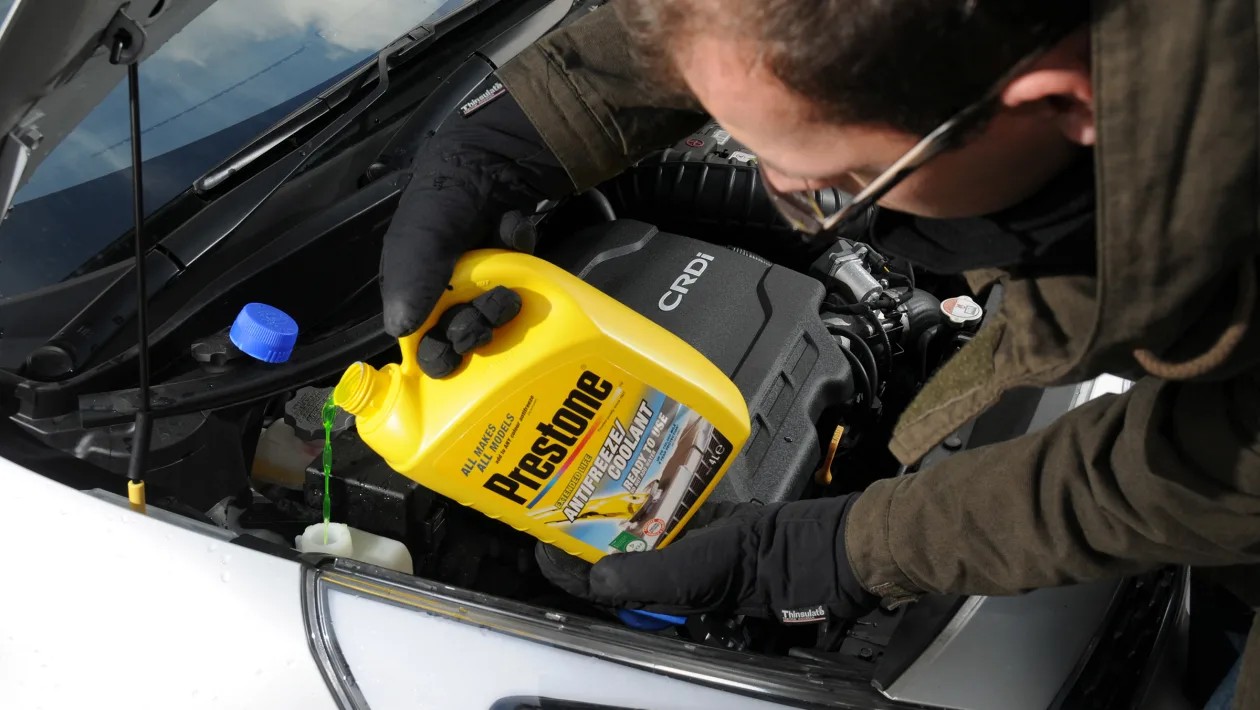
Maintaining your car’s engine temperature is critical for its longevity and reliability. Overheating can cause catastrophic damage, but the solution isn’t just about water—it’s about understanding the role of antifreeze and coolant. This article explains what these fluids do, how to check their levels, and why proper maintenance matters.
What Does Engine Coolant Do?
Engines generate intense heat during operation. Coolant circulates through the engine, absorbing excess heat and transferring it to the radiator, where it dissipates into the air. Without this process, engines would quickly overheat, leading to costly repairs or complete failure. Think of it like a car’s circulatory system; it keeps everything running at the ideal temperature.
Why Antifreeze Matters
Simply using water in your radiator isn’t enough. Water freezes in cold weather, expanding and potentially cracking engine blocks, hoses, and the radiator itself. Antifreeze lowers the freezing point of the coolant, preventing damage in winter. More importantly, antifreeze also protects against corrosion; most engines are made from iron or aluminum, which can rust and degrade if exposed to water. Modern antifreeze contains additives that shield these internal components, including the often-expensive water pump.
Types of Antifreeze: Color-Coded for Clarity
Antifreeze isn’t one-size-fits-all. Different formulations exist, indicated by color (typically pink/red, blue, or green). The two most common types are:
- Inorganic Additive Technology (IAT): An older formula; suitable for some vehicles but may not offer the same long-term protection as newer types.
- Organic Acid Technology (OAT): A more advanced formulation that provides superior corrosion protection.
Using the wrong type can damage your engine. Always consult your car’s owner’s manual or a trusted mechanic to determine the correct antifreeze for your vehicle.
Checking Your Coolant Level: Two Methods
Checking coolant levels is simple but crucial. The method depends on your car’s cooling system:
- Reservoir Systems: Many cars have a coolant reservoir that expands as the engine heats up. To check, ensure the engine is completely cool, locate the reservoir (usually near the engine bay), and check the fluid level against the “min” and “max” marks.
- Direct-Fill Systems: Some older vehicles lack a reservoir and require you to check the radiator directly. Again, wait for the engine to cool, then carefully remove the radiator cap (using a rag to protect against steam) and inspect the fluid level. It should be full to the top.
If the coolant is low, top it up immediately. If it’s consistently low, investigate for leaks. Replacing the coolant entirely is also recommended periodically (follow your car’s maintenance schedule).
What To Do if Your Car Overheats
If your temperature gauge spikes, pull over safely and shut off the engine. Do not open the hood immediately ; wait for the engine to cool down completely. Once cool, check the coolant level and look for leaks. Water can temporarily top up the coolant, but it should be replaced with proper antifreeze as soon as possible.
Ignoring an overheating engine will likely cause irreversible damage. If you’re unsure, call a mechanic or roadside assistance.
In conclusion, maintaining proper coolant levels with the correct antifreeze is essential for engine health. Regular checks and timely replacements prevent costly repairs and ensure your car runs reliably for years to come.


