Jaguar Land Rover переживає драматичну трансформацію, повністю переходячи на електромобілі. Цей зсув, очолюваний керуючим директором Jaguar Роудоном Гловером, є сміливим відходом від традиційних автомобільних стратегій і рішучим розривом з недавніми труднощами бренду. Компанія не просто оновлює наявні моделі; вона перебудовує весь бренд з нуля, роблячи ставку на майбутнє, в якому розкіш та продуктивність співіснують із нульовими викидами.
Прототип Type 00: Заява про Наміри
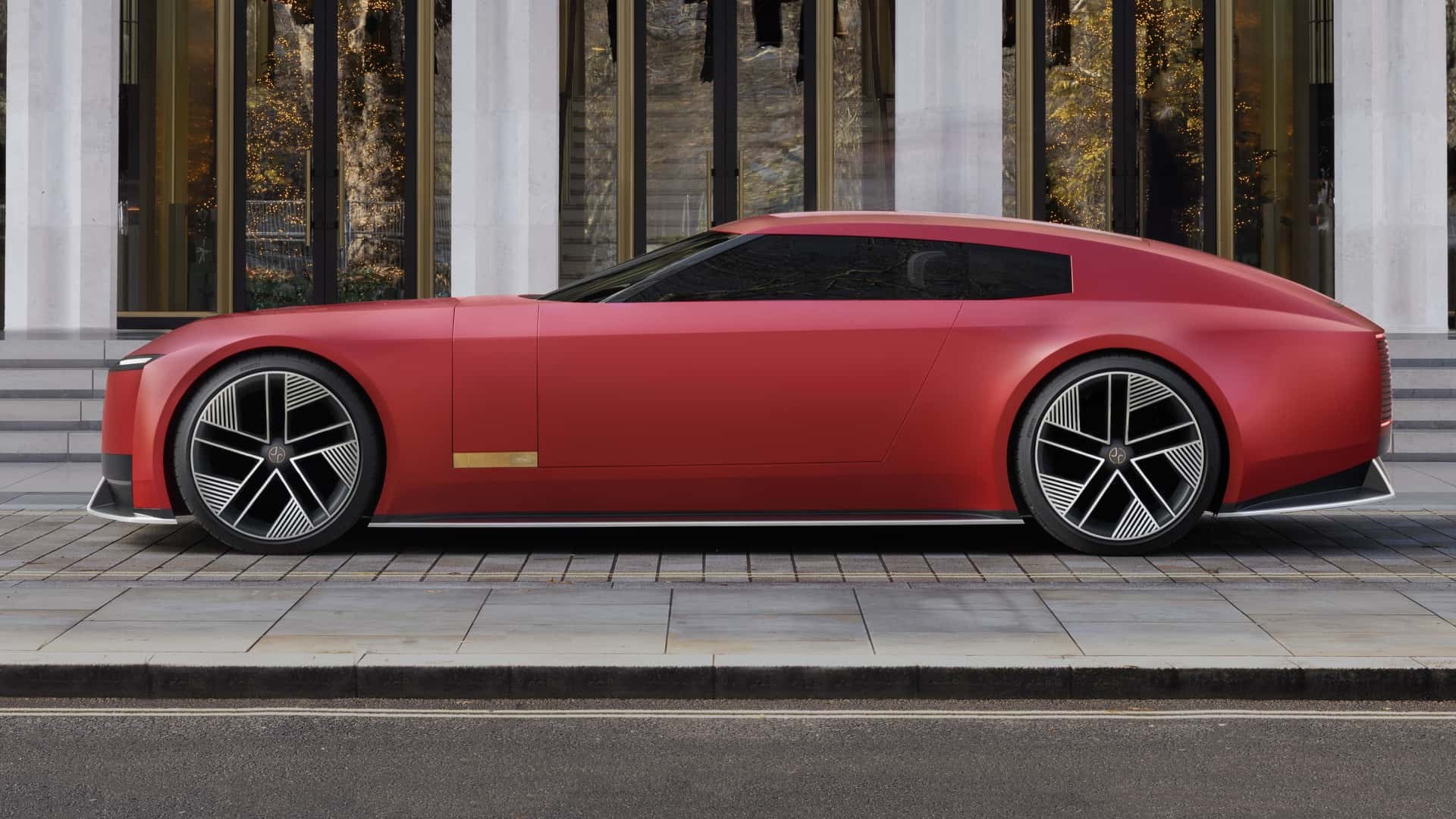
Першим відчутним свідченням цього переосмислення став концепт Type 00 – чотиридверний GT-автомобіль, покликаний кинути виклик загальноприйнятій естетиці електромобілів. Jaguar навмисно спроектував автомобіль винятково низьким – всього 140 см у висоту – не жертвуючи запасом ходу. Це було досягнуто за рахунок перепозиціонування частини акумуляторного блоку перед нижніми конструкціями, технічного завдання, яке вимагає переосмислення управління енергією та поведінки при ударах.
В результаті вийшов автомобіль з коефіцієнтом аеродинамічного опору всього 0,23, що робить його найаеродинамічнішим Jaguar, коли-небудь виробленим. Це досягнення особливо примітно з огляду на пропорції автомобіля, які навмисно уникають типової обтічної форми багатьох електромобілів. «Ми не слідуватимемо тим же правилам, що й усі інші», — пояснює Гловер, підкреслюючи відданість Jaguar незалежному дизайну.
За межами дизайну: продуктивність і запас ходу
Jaguar зосереджується не лише на естетиці. Type 00 розроблений для забезпечення запасу ходу приблизно 700 км, пом’якшуючи «тривогу дальності», що часто супроводжує електромобілі. Сам процес розробки став свідченням командної роботи: лише поліпшення аеродинаміки зажадали понад 15 000 тестів та модифікацій, знизивши опір із 0,30 до 0,23.
Прихильність компанії повністю електричному майбутньому непохитна: «Jaguar буде виключно електричним. Ми не працюємо ні над чим іншим», – стверджує Гловер. Це різко контрастує з іншими брендами люксів, такими як Rolls-Royce, які продовжують робити ставку на виробництво моделей з двигунами внутрішнього згоряння.
Розрахунковий Ризик: Перезавантаження Бренда
Рішення відмовитися від попередніх моделей та скасувати майбутні програми було ухвалено нелегко. Попередня бізнес-модель Jaguar була нестійкою, з падаючим прибутком, старішою клієнтською базою і запеклою конкуренцією з боку усталених німецьких автовиробників. Компанія дійшла висновку, що для збереження актуальності потрібна радикальна перебудова.
Це включало навмисно провокаційну рекламну кампанію в Майамі, яка викликала значну увагу в соціальних мережах, як позитивну, так і негативну. Хоча дехто розкритикував кампанію за надмірну зухвалість, Jaguar визнає, що їй вдалося знову пробудити інтерес до бренду.
Майбутнє Jaguar: Відмінний та Висококласний
Майбутні моделі Jaguar збережуть виражені пропорції та сильну ідентичність, продемонстровані в Type 00, без планів виходу в сегмент високих позашляховиків, що вже домінує Range Rover. Компанія орієнтується на ринок високого класу із середньою ціною понад 130 000 євро (150 000 доларів) за автомобіль.
Цільова аудиторія – заможні, міські жителі, які цінують дизайн, технології та індивідуальність. “Це автомобіль з сильною дизайнерською заявою, яка звертається до людей, які хочуть виділитися”, – заявляє Гловер.
Ризик Jaguar є значним, але компанія вірить, що це необхідно для виживання. Бренд робить ставку на те, що його радикальний підхід – поєднання сміливого дизайну, безкомпромісної продуктивності та ексклюзивного електричного майбутнього – знайде відгук у нового покоління покупців люксових автомобілів.
Майбутнє Jaguar залежить від цієї трансформації. У разі успіху це перевизначить бренд на десятиліття вперед.