


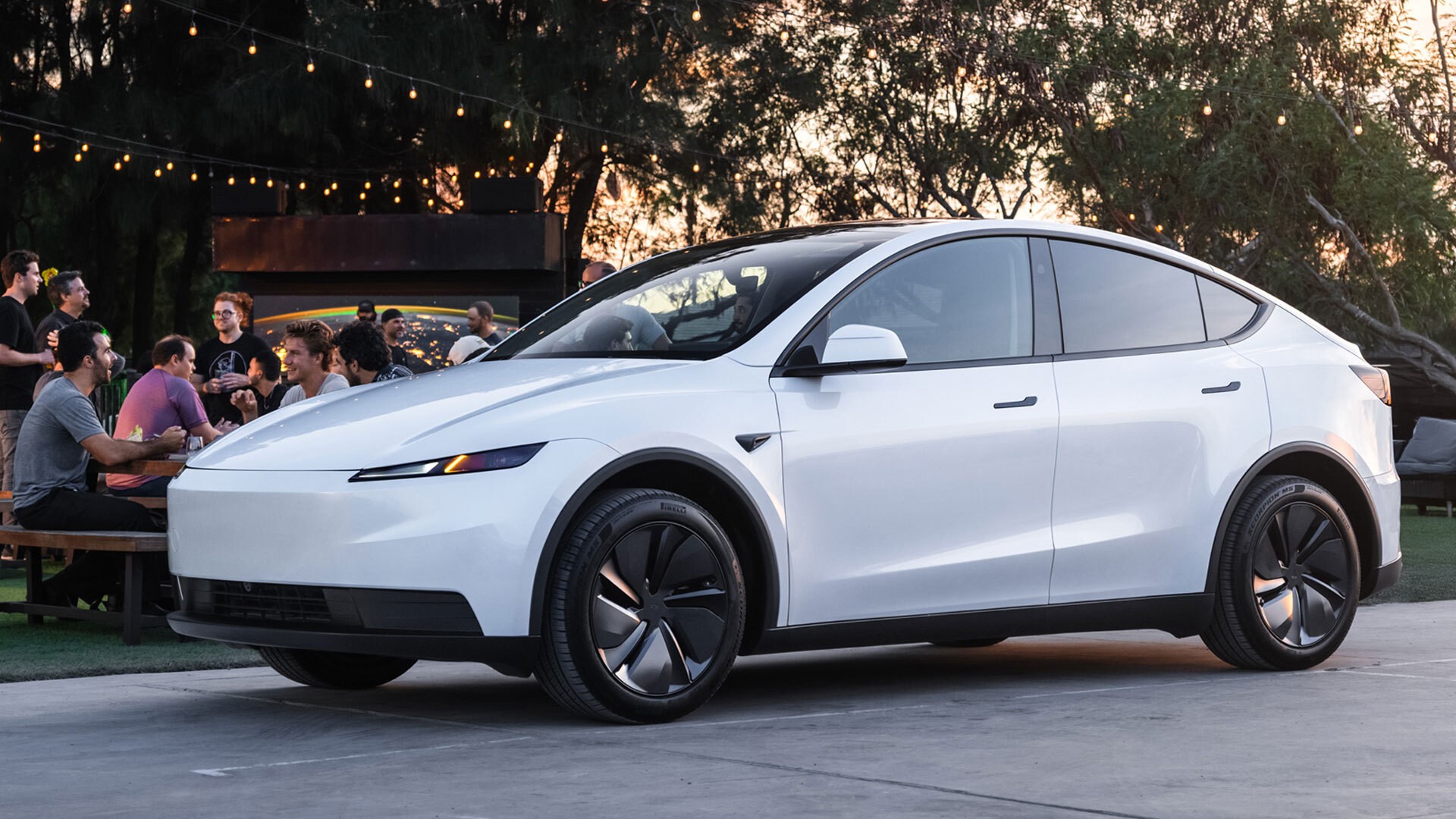
The National Highway Traffic Safety Administration (NHTSA) has officially concluded its investigation into Tesla’s Smart Summon feature. The federal agency decided to close the case, citing that the frequency and severity of accidents involving the technology were statistically low.
The Data Behind the Decision
According to the Office of Defects Investigation, the decision rests on the scale of the feature’s usage compared to its failure rate. The agency noted that out of millions of individual Smart Summon sessions, less than 1% resulted in an incident.
While the number of crashes was not negligible, the investigation found that the vast majority of these events were “minor impacts.” The primary cause of these collisions was a failure—either by the system or the human operator—to fully detect or react to immediate surroundings. Most incidents involved the vehicle striking:
– Parked cars
– Parking gates
– Short parking bollards
Environmental Challenges and Software Fixes
The investigation also highlighted specific vulnerabilities related to environmental conditions and hardware limitations.
Sensor Obstructions
The NHTSA identified two specific crashes caused by camera blockages due to snow. In both instances, the Teslas struck unoccupied parked vehicles because the system could not “see” through the obstruction, and the users failed to intervene or command the vehicle to stop.
In response to these findings, Tesla implemented an over-the-air (OTA) update in early 2025 designed to improve camera blockage detection, followed by further software refinements to enhance system awareness.
Navigation Errors
Beyond weather, the system struggled with specific infrastructure. In one documented incident, a Tesla failed to recognize a gate arm blocking a garage exit, leading to a collision. The agency noted that the driver did not manually stop the vehicle during the error. Tesla has since released another OTA update specifically aimed at improving how vehicles react to dynamic gates.
Why This Matters
This investigation highlights the ongoing tension in the development of semi-autonomous driving features. While “Smart Summon” is designed to increase convenience, it operates in “unstructured” environments—like parking lots—where obstacles are unpredictable and lighting or weather can easily deceive computer vision systems.
The NHTSA’s decision to close the probe suggests that while the technology is imperfect, the current risk level does not meet the threshold for a formal safety recall, provided that the manufacturer continues to refine the software via updates.
The conclusion of this probe underscores a shift in how regulators view automated features: focusing less on individual errors and more on the statistical safety profile of the technology as a whole.
In summary, while Tesla’s Smart Summon has been linked to various minor collisions involving obstacles and weather, federal regulators have determined the risk is sufficiently low to end their investigation, following several software updates aimed at improving obstacle detection.


