A new legal battle has emerged involving one of the most recognizable names in automotive maintenance. Valvoline Instant Oil Change is facing a class-action lawsuit following allegations that its service centers consistently fail to use the specific oil types recommended by vehicle manufacturers.
The Incident: A Failed Correction
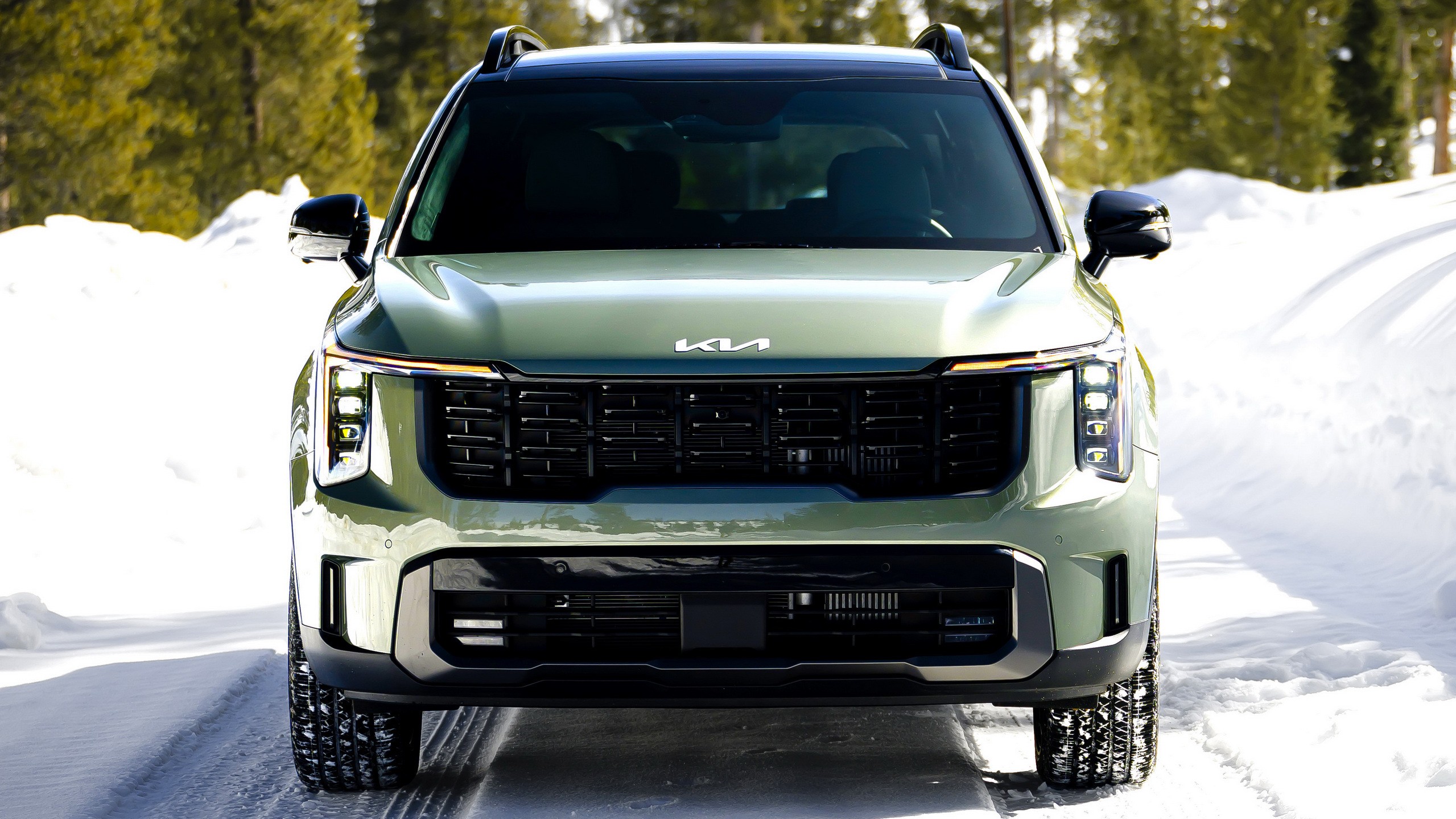
The lawsuit was initiated by Robert Campbell, an Indiana resident and owner of a 2025 Kia Sorento. According to the filing, Campbell visited a Valvoline location last October for a routine service. While Kia’s manufacturer specifications explicitly require 0W-30 oil, the facility reportedly filled his engine with 5W-30.
The situation escalated when Campbell attempted to rectify the error. Rather than issuing a refund, the facility allegedly attempted to fix the mistake by draining the oil and replacing it—only to use the same incorrect 5W-30 specification a second time. It was not until Campbell sought service from a different provider that his vehicle finally received the correct oil.
Why Oil Specifications Matter
To a casual observer, the difference between “0W” and “5W” might seem negligible. However, in modern automotive engineering, these numbers are critical.
- Viscosity and Flow: The numbers represent how the oil flows at different temperatures. A “0W” oil is thinner at cold temperatures, allowing it to reach critical engine components more quickly during a cold start.
- Engine Longevity: Modern engines are designed with much tighter tolerances than older models. Using oil that is too thick can increase friction and wear.
- Environmental Impact: Many manufacturers, such as Kia, specify low-viscosity oils not just for engine health, but to optimize fuel efficiency and reduce vehicle emissions.
The lawsuit alleges a systemic issue, claiming that Valvoline may not even stock an oil product that meets the specific requirements of certain manufacturers, like Kia.
Legal Implications and Scope
Campbell is seeking to represent a nationwide class of consumers, as well as a specific subclass of residents in Indiana. The core of the legal argument rests on the premise that Valvoline is providing services that do not meet the technical requirements necessary to maintain the integrity of modern engines.
This case highlights a growing tension in the automotive industry: as vehicle technology becomes more precise and specialized, the margin for error in routine maintenance becomes dangerously slim.
Conclusion
The lawsuit puts Valvoline under scrutiny for allegedly failing to adhere to manufacturer-mandated specifications, even after errors were identified. If successful, the case could set a significant precedent regarding the liability of quick-lube services in maintaining high-tech, modern engines.