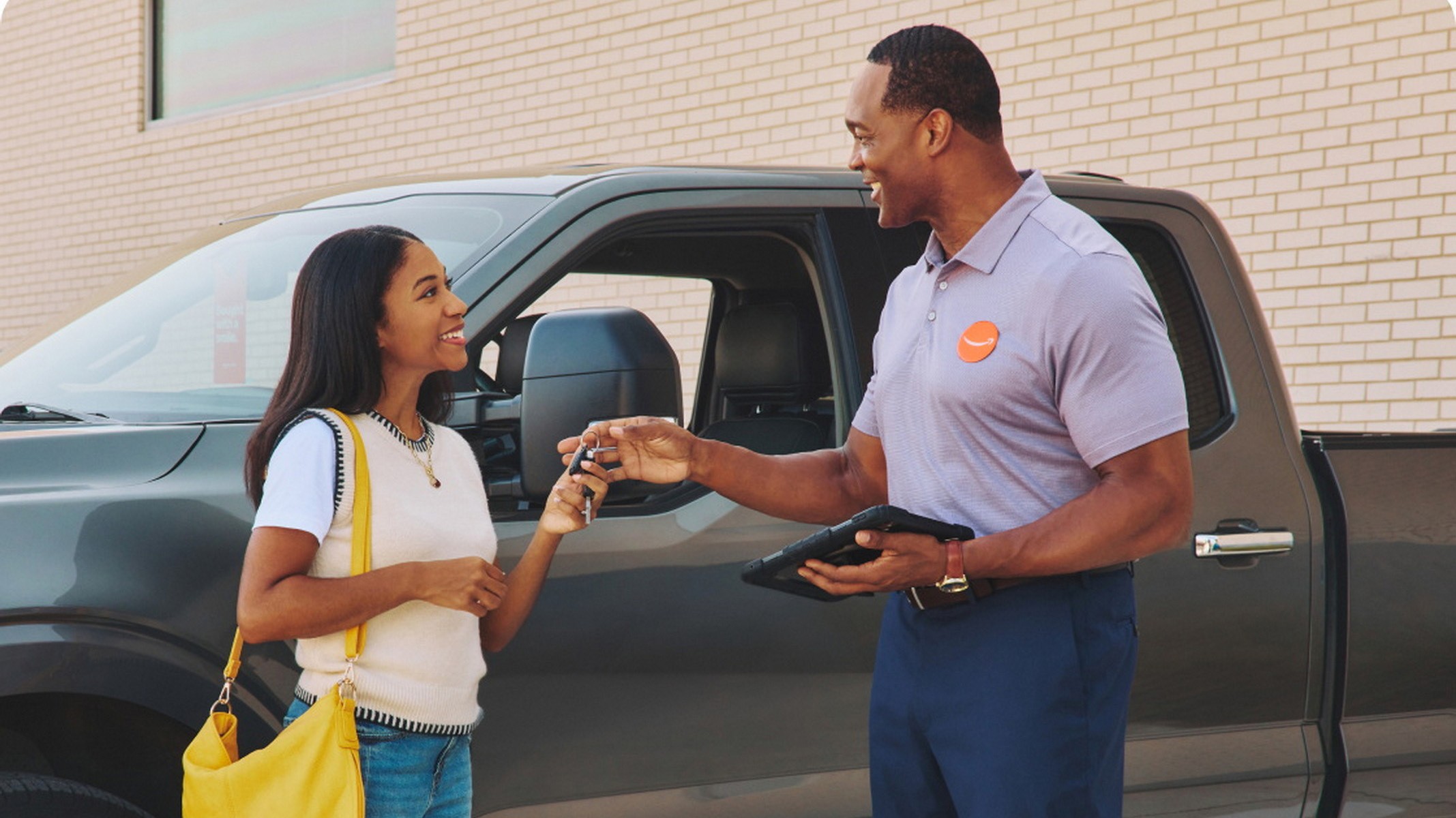
The traditional car-buying experience is undergoing a digital transformation. Following its late 2024 debut with Hyundai, Amazon has quietly expanded its automotive marketplace to include several major brands, such as Kia, Subaru, Jeep, Chevrolet, and Mazda. This means consumers can now browse and purchase high-performance vehicles—like a Chevrolet Corvette—alongside their everyday household essentials.
A Growing Digital Showroom
Amazon is rapidly scaling its footprint, building a network that spans over 130 cities across the United States, including major hubs like New York, Los Angeles, and Dallas.
The expansion represents a significant shift in how automotive retail functions. By integrating vehicle sales into its existing ecosystem, Amazon is attempting to replicate the seamless “one-click” convenience that has defined its dominance in e-commerce.
Why Consumers are Moving Online
The primary driver behind this shift is the desire for transparency and efficiency. The traditional dealership model is often criticized for several friction points that Amazon aims to eliminate:
- Price Transparency: Online shoppers receive clear, upfront pricing, avoiding the back-and-forth negotiations that can last hours in a physical showroom.
- Streamlined Financing: The ability to secure financing directly through the platform removes much of the bureaucratic tension found in dealerships.
- Elimination of “Add-ons”: Many buyers find traditional dealership pricing inflated by unnecessary dealer-installed options—such as nitrogen-filled tires or specific trim packages—that are difficult to negotiate away in person.
The Dealer Perspective: Opportunity vs. Friction
For dealerships, the Amazon marketplace is a double-edged sword. While it offers a massive new stream of potential customers, the transition has not been without growing pains.
Participating dealers pay to list their inventory on the platform, essentially paying for digital visibility. While some, like dealership owner Matthew Phillips, view the platform as an “innovative product,” others have noted that the process is becoming more complex as volume increases.
“Before it was click, click, click, and then the buyer would show up, sign four documents, and leave with the car,” noted Alex Ruiz, General Sales Manager at South Bay Hyundai.
As traffic grows, dealers are encountering more logistical hurdles, suggesting that while the concept is sound, the execution is still maturing.
The Bigger Picture
This trend highlights a broader movement toward decentralized automotive retail. As digital-native consumers demand more control over their purchasing journey, legacy dealerships are being forced to decide whether to compete with these platforms or integrate into them. The success of Amazon’s expansion will likely depend on whether it can maintain a smooth transaction process as it moves from niche luxury sales to high-volume, mass-market retail.
Conclusion
Amazon’s expansion into the automotive sector marks a significant step toward the commoditization of car buying. While the convenience for the consumer is clear, the industry must still navigate the logistical challenges of scaling a digital marketplace for such high-value, complex products.