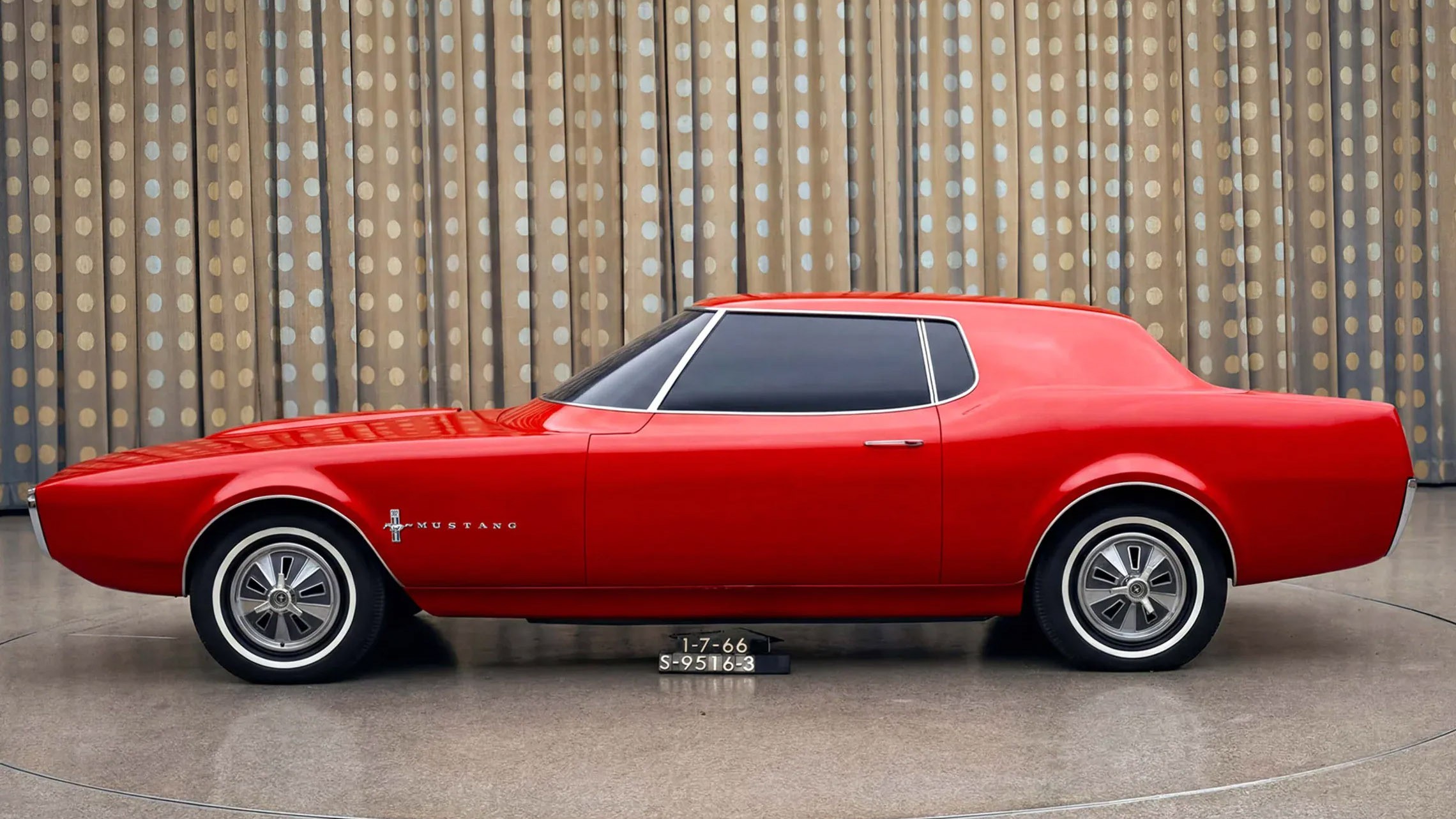
Ford is turning to artificial intelligence to breathe new life into its historical archives, transforming monochromatic design sketches into vibrant, colorized visions of the past. By applying modern technology to vintage assets, the automaker is bridging the gap between mid-century design and contemporary aesthetics.
Breathing Color into the Heritage Vault
The project centers on the Ford Heritage Vault, a specialized archive containing over 350,000 styling negatives. These assets document the entire design evolution of Ford vehicles from the mid-1950s through the turn of the 21st century.
Because much of this historical record exists in black and white, the images often lack the sensory impact of a finished product. To solve this, Ford is experimenting with AI-driven colorization, a process that uses machine learning to predict and apply realistic color palettes to old photographs and negatives.
Reimagining the Mustang Legacy
A key focus of this AI experiment has been the iconic Mustang lineage. Rather than simply restoring original colors, Ford is using the technology to visualize how classic models might look with modern, high-impact metallic finishes.
The company has released several striking examples of this “what if” scenario:
– 1963 Mustang Sedan: A clay model reimagined in Intense Lime Yellow Metallic.
– 1966 Mustang Fastback: Visualized in the classic yet vibrant Grabber Blue Metallic.
– 1966 Concept Model: Reimagined in Race Red.
– Mustang I Concept: Originally presented in white, now showcased in Orange Fury Metallic.
Why This Matters: The Intersection of Tech and Nostalgia
This initiative represents a broader trend in the automotive industry: the use of AI not just for engineering and autonomous driving, but for brand storytelling and heritage preservation.
By colorizing these negatives, Ford achieves two goals:
1. Accessibility: It makes technical design documents more engaging for the general public and enthusiasts.
2. Creative Exploration: It allows designers to see how historical shapes interact with modern paint technology, potentially informing future retro-inspired designs.
This experiment demonstrates that AI’s value extends beyond efficiency; it can serve as a powerful tool for cultural and historical preservation.
Conclusion
By applying AI colorization to its massive archive of styling negatives, Ford is successfully transforming static historical records into engaging, modern visual experiences. This blend of cutting-edge technology and automotive heritage offers a fresh perspective on the design evolution of some of the world’s most iconic vehicles.