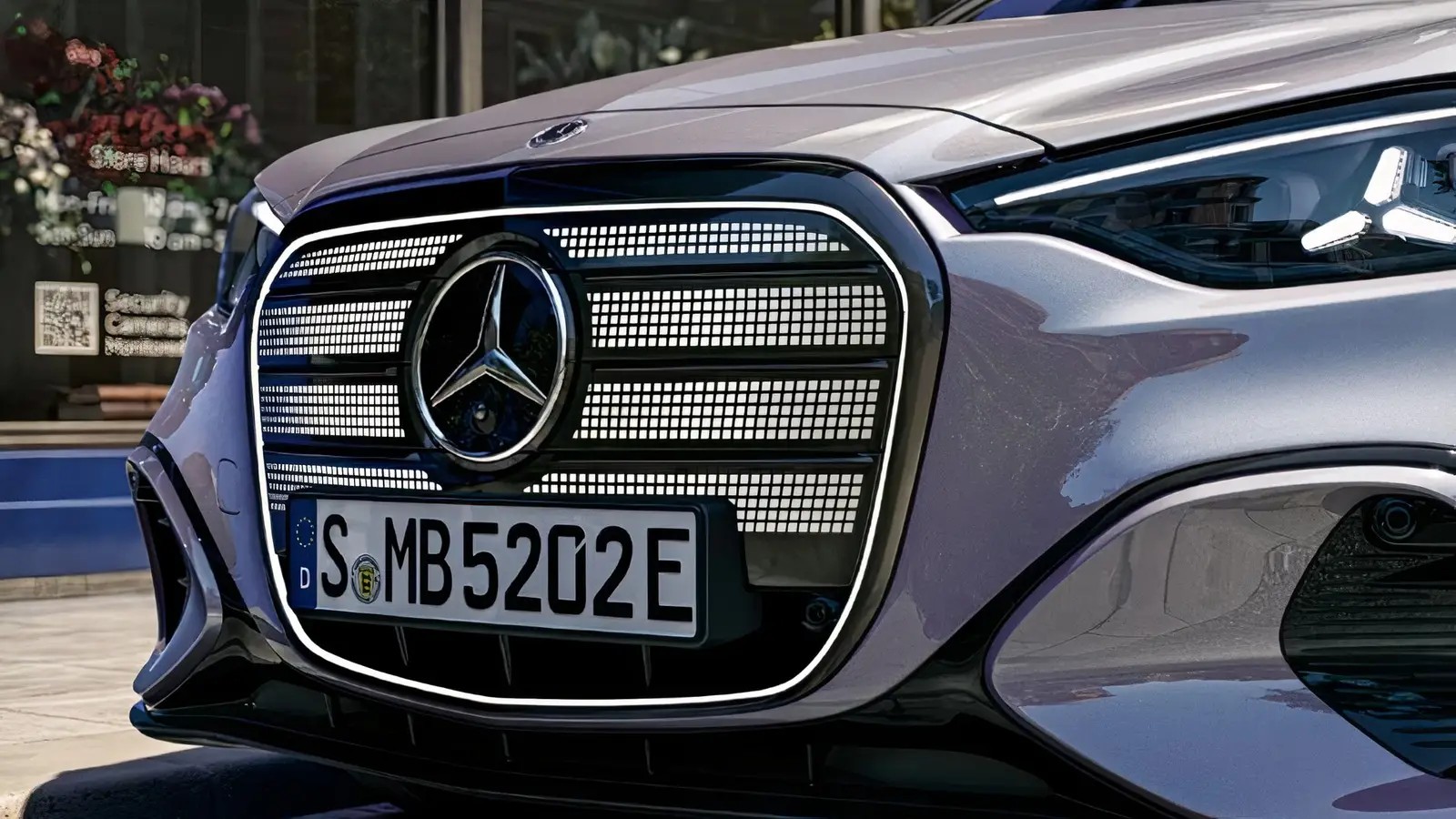
The premium electric sedan market is entering a high-stakes era of competition. With the official unveiling of the Mercedes-Benz C 400 4MATIC Electric, the rivalry between Germany’s two automotive giants has shifted from internal combustion to high-voltage performance. This matchup pits Mercedes’ pursuit of tech-driven luxury against BMW’s legacy of driver-centric athleticism.
Mercedes-Benz C 400: A High-Tech Powerhouse
Mercedes-Benz is positioning the C 400 Electric as a transformative leap for the C-Class lineup. While the traditional C-Class has often been viewed as a more accessible, comfort-oriented alternative to the sportier BMW 3 Series, the new electric variant seeks to erase that distinction.
Key Specifications:
– Performance: A dual-motor setup delivering 482 horsepower and 590 lb-ft of torque.
– Acceleration: A claimed sub-four-second 0-60 mph sprint.
– Battery & Range: A 94.5-kWh lithium-ion battery providing up to 473 miles (WLTP).
– Charging: An 800-volt architecture capable of adding 202 miles of range in just 10 minutes.
The interior is designed to be a digital sanctuary. The centerpiece is the 39.1-inch MBUX Hyperscreen, powered by an AI supercomputer, offering a level of technological integration that rivals the flagship S-Class.
BMW i3: The Driver’s Electric Choice
BMW approaches the electric transition through the lens of its “Ultimate Driving Machine” heritage. The i3 is not just an electric version of a sedan; it is a precision instrument designed to maintain the 3 Series’ reputation for agility and engagement.
Key Specifications:
– Performance: 463 horsepower and 476 lb-ft of torque.
– Range: Estimated at 440 miles (EPA) or up to 559 miles (WLTP).
– Handling Tech: Features the “Heart of Joy” performance computer, an adaptive M suspension, and a new five-link rear axle.
BMW’s design philosophy follows the Neue Klasse aesthetic, aiming for a futuristic, minimalist look that feels more like science fiction than traditional luxury.
Head-to-Head: Performance vs. Precision
When comparing the two, a clear distinction in engineering philosophy emerges:
| Feature | Mercedes C 400 Electric | BMW i3 50 xDrive |
|---|---|---|
| Horsepower | 482 hp | 463 hp |
| Torque | 590 lb-ft | 476 lb-ft |
| Primary Focus | Tech, Luxury, & Raw Power | Driving Dynamics & Precision |
While Mercedes holds the advantage in raw numbers—offering more power and faster charging capabilities—BMW appears to have the edge in chassis engineering. The i3’s specialized suspension and performance computer suggest a vehicle that may feel more composed and “alive” on winding roads, whereas the Mercedes may rely on its massive torque and AI-driven luxury to impress.
The Weight Factor and the Luxury Divide
A critical, though unconfirmed, variable in this battle is vehicle weight. High-output electric motors and massive battery packs inherently increase mass. If the Mercedes C 400’s increased power leads to a significantly heavier footprint, the BMW i3’s specialized suspension may allow it to retain a superior handling profile despite having lower raw horsepower.
Inside the cabin, the choice becomes one of “flavor.” Mercedes offers a lush, high-tech atmosphere that feels deeply premium, while BMW offers a cutting-edge, minimalist experience rooted in driver feedback.
The competition between the C 400 and the i3 represents a fundamental question for the EV era: Should a luxury electric car prioritize overwhelming digital luxury and raw power, or the refined, tactile precision of a driver’s machine?
Conclusion
The battle for the premium electric sedan segment will be decided by whether buyers prioritize Mercedes-Benz’s massive technological leap and charging speed or BMW’s commitment to driving dynamics and futuristic design.