


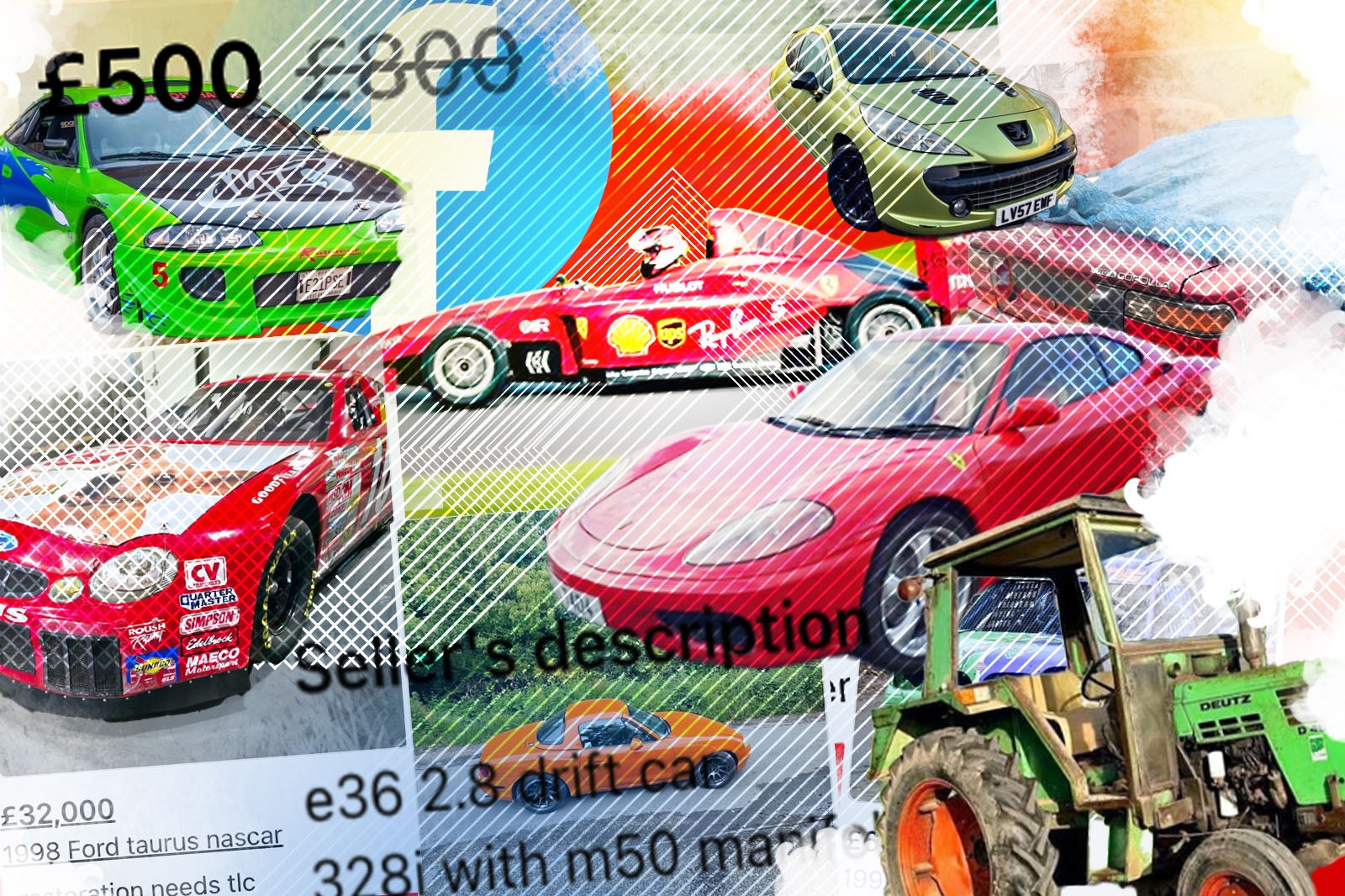
For many automotive enthusiasts, the hunt for a bargain or a rare classic has migrated from traditional auction sites like eBay to the unpredictable digital landscape of Facebook Marketplace. What began as a platform for selling household goods has transformed into a sprawling, often bizarre, global bazaar for vehicles ranging from pristine racing legends to “howling ruins.”
The New Frontier for “Banger” Enthusiasts
While high-end collectors often stick to specialized auction houses, Facebook Marketplace has become the go-to destination for those seeking “bangers”—affordable, high-utility vehicles. In this market, the value proposition is different:
- Micro-details matter: For a modern car, a “seven-month MOT” (UK safety inspection) might be a minor detail. For a £500 Renault Clio, it is a critical selling point.
- High reward, high risk: The platform offers unparalleled “bang for your buck,” but it requires a level of skepticism not found in traditional dealerships.
The shift toward Marketplace reflects a broader trend in consumer behavior: moving away from centralized, regulated platforms toward peer-to-peer social media ecosystems where the sheer volume of listings is massive, but the vetting process is left entirely to the buyer.
The Art of the Digital Forensic Investigation
Buying a vehicle on Facebook is less about simple shopping and more about forensic investigation. Because the platform lacks the built-in protections of dedicated e-commerce sites, buyers must develop a specific toolkit to avoid scams or mechanical disasters:
- Profile Vetting: Scrutinizing the seller’s profile to ensure they are a real person rather than a bot or a professional scammer.
- History Checking: Running license plates through official databases (such as the DVSA in the UK) to uncover hidden mechanical failures or failed inspections.
- Pattern Recognition: Learning to distinguish between a genuine “diamond in the rough” and a vehicle that is fundamentally broken.
A Spectrum of the Strange and the Spectacular
The sheer variety of listings makes the Marketplace an endlessly entertaining, if occasionally exhausting, experience. The inventory exists on a spectrum of extremes:
The High-End Rarities
The platform occasionally hosts genuine automotive history. Listings have ranged from Formula Ford racers and mid-2000s NASCAR Chevy shells to legendary rally cars—such as Roger Clark’s ex-works 1979 Ford Fiesta Mk1—commanding prices as high as £80,000.
The “Ugly” and the Eccentric
On the opposite end of the spectrum lies the “rubbish”—vehicles that defy conventional aesthetics or logic. Notable examples include:
– Custom Wraps: A Peugeot 406 Coupé featuring an airbrushed Thor mural, or a Vauxhall Tigra wrapped to look like the Disney character Tigger.
– Niche Machinery: The presence of heavy industrial equipment, such as Soviet-built Kirovets T150K tractors, alongside enthusiast cars.
– The “Max Power” Era: Relics of early-2000s tuning culture, such as Suzuki Swifts with scissor doors.
“If you can name it, you can find it.”
Conclusion
Facebook Marketplace has become a digital Wild West for the motoring community, offering a chaotic mix of high-stakes treasures and bizarre oddities. While it requires intense due diligence, it remains an unmatched resource for anyone looking to find something truly unique—or just something that runs.


