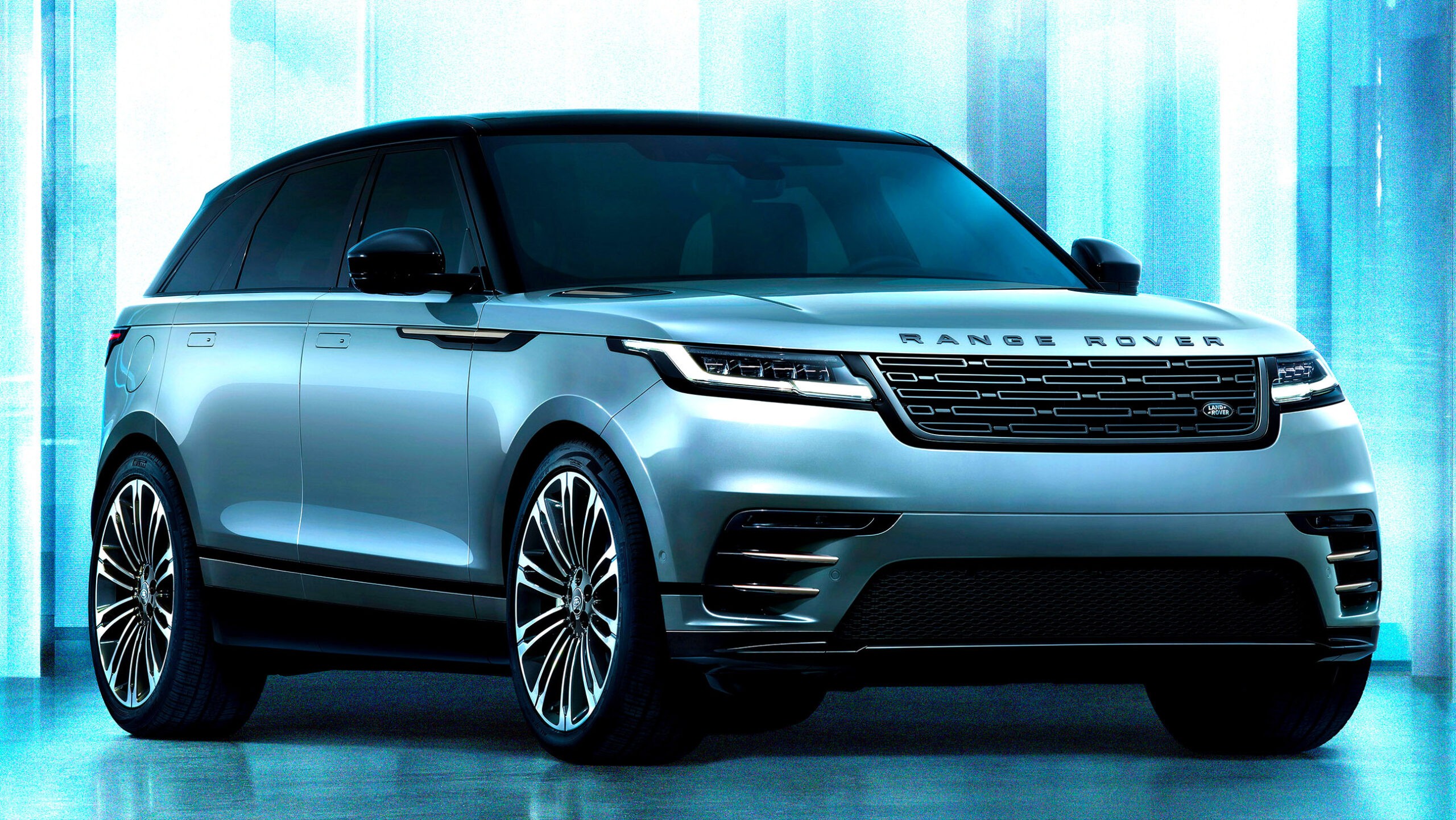
Компанія Jaguar Land Rover (JLR) оголосила про масштабне відкликання понад 170 000 автомобілів, що торкнулося найзнаковіших моделей бренду. Проблема пов’язана з несправністю перетворювача постійного струму (DC-DC converter) – компонента, що має критичне значення для електросистеми автомобілів із технологією м’якого гібрида.
Масштаб відгуку
Відгук стосується широкого спектру автомобілів, випущених у період з 2019 по 2024 рік. Оскільки дефект специфічний саме для силових установок з м’яким гібридом, він торкається кількох найбільш затребуваних моделей, включаючи:
** Land Rover: ** Range Rover, Range Rover Sport, Defender, Velar, Evoque та Discovery.
* Jaguar: F-Pace та E-Pace.
Як проявляється дефект
Перетворювач DC-DC виконує функцію, аналогічну генератору у традиційному бензиновому двигуні: він забезпечує постійний заряд 12-вольтної акумуляторної системи. При виході цього компонента з ладу автомобіль поступово втрачає електричні функції.
Згідно з документами NHTSA (Національного управління безпечної автомобільної їзди США), несправність розвивається за передбачуваною, але небезпечною схемою:
1. Первинне попередження: Водій отримує червоне оповіщення на панелі приладів: «Stop Safely: Electrical Fault Detected» («Зупиніться в безпечному місці: виявлено несправність електроустаткування»).
2. Деградація системи: Якщо ігнорувати попередження, починають вимикатися системи допомоги водієві та з’являються помилки підвіски.
3. Критичний збій: Автомобіль може несподівано перейти в нейтральне положення, двигун може затихнути, і в кінцевому підсумку можуть вийти з ладу навіть зовнішні фари.
Розбіжності з регуляторами
Примітною особливістю цього відгуку є напруженість у відносинах між виробником та федеральними регуляторами. Тільки в США JLR зафіксувала майже 6000 звітів про подібні проблеми. Проте спочатку компанія стверджувала, що цей дефект не становить загрози безпеці, аргументуючи це тим, що поступовий характер прояву симптомів дає водіям достатньо часу на реакцію.
Національне управління безпечної автомобільної їзди (NHTSA) не погодилося з такою оцінкою. Вивчивши дані, регулятори дійшли висновку, що ризик раптової зупинки двигуна та втрати контролю над автомобілем становить реальну загрозу безпеці, що змусило ініціювати офіційну процедуру відкликання.
Поточна дилема для власників
Незважаючи на те, що повідомлень про травми, аварії або загоряння, пов’язані саме з цим дефектом, не надходило, ситуація залишається вкрай неприємною для споживачів. Найважливіше: JLR ще не розробила остаточного способу усунення несправності перетворювача.
Це ставить власників люксових автомобілів у скрутне становище: вони знають про критичну вразливість своїх машин, але змушені чекати, поки виробник спроектує та поставить справні деталі.
Хоча аварії, спричинені цим дефектом, поки що не зафіксовані, поступовий характер електричного збою створює значний ризик раптової зупинки автомобіля у потоці руху.
Висновок
Даний відгук підкреслює складність керування гібридними системами, де електричні несправності можуть призвести до повного знеструмлення автомобіля. На даний момент власникам порушених моделей необхідно уважно стежити за попередженнями на панелі приладів і чекати технічного рішення від Jaguar Land Rover.