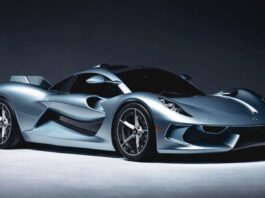
Xiaomi Auto is making a strategic move to bridge the gap between Chinese tech innovation and European automotive excellence. By opening a new research and development center in Munich, Germany, the Chinese EV manufacturer is signaling its intent to move beyond mass-market electric vehicles and compete directly in the high-performance, premium segment.
Building a “Dream Team” of Automotive Veterans
The Munich center is not merely an administrative outpost; it is a specialized hub designed to recruit the elite talent that defines the European automotive industry. To achieve this, Xiaomi has been aggressively poaching high-level engineers and designers from legendary brands, including BMW, Porsche, Lamborghini, and Mercedes-Benz.
Key leadership appointments include:
– Rudolf Dittrich: A veteran of BMW’s M4 GT3 racing project, who will lead the center.
– Claus-Dieter Groll: A former BMW expert with extensive experience across the 3 Series, 4 Series, X5, and X7, who will oversee vehicle dynamics.
By hiring experts who have mastered chassis tuning, aerodynamics, and luxury design, Xiaomi is attempting to solve one of the biggest hurdles for new EV entrants: the “feel” of the drive. While many EVs excel in software and acceleration, European luxury brands are defined by their handling and tactile quality—areas where Xiaomi is now investing heavily.
The Road to 2027: Product Strategy and Expansion
This R&D investment is a foundational step for Xiaomi’s broader global roadmap. CEO Lei Jun has outlined a clear trajectory for the company’s international ambitions:
- Immediate Focus (China): Xiaomi is currently scaling its domestic operations, aiming to increase deliveries from 400,000 units last year to 550,000 by 2026.
- Product Diversification: Having established the SU7 sedan and the high-performance SU7 Ultra, Xiaomi is now expanding its lineup with the YU7 SUV.
- The Performance Test: The first model to benefit from the Munich team’s expertise will be the YU7 GT, a high-performance version of the YU7 SUV scheduled for launch at the end of May.
- Global Debut (2027): Xiaomi plans to begin its overseas expansion in 2027, with Europe serving as its primary gateway, likely starting in Germany.
Why This Matters: A Shift in the Global Automotive Hierarchy
Xiaomi’s strategy represents a broader trend in the automotive industry: the “technological convergence” of software and mechanical engineering. Historically, German automakers dominated through superior mechanical engineering, while Chinese companies led in digital ecosystems and battery integration.
By establishing a base in Munich, Xiaomi is attempting to merge these two worlds. They are not just building “smartphones on wheels”; they are attempting to build high-performance machines that can stand toe-to-toe with the established prestige of Audi, BMW, and Porsche.
This move marks a shift from Chinese automakers being mere “disruptors” of the low-end market to becoming direct challengers in the premium, high-margin luxury segment.
Conclusion
Xiaomi’s establishment of a Munich R&D center is a calculated effort to acquire the engineering pedigree necessary to compete in the global luxury EV market. By blending Chinese digital agility with European driving dynamics, the company is laying the groundwork for a major international push beginning in 2027.