GWM націлюється на Австралію з позашляховиком Tank 700 на базі двигуна V8
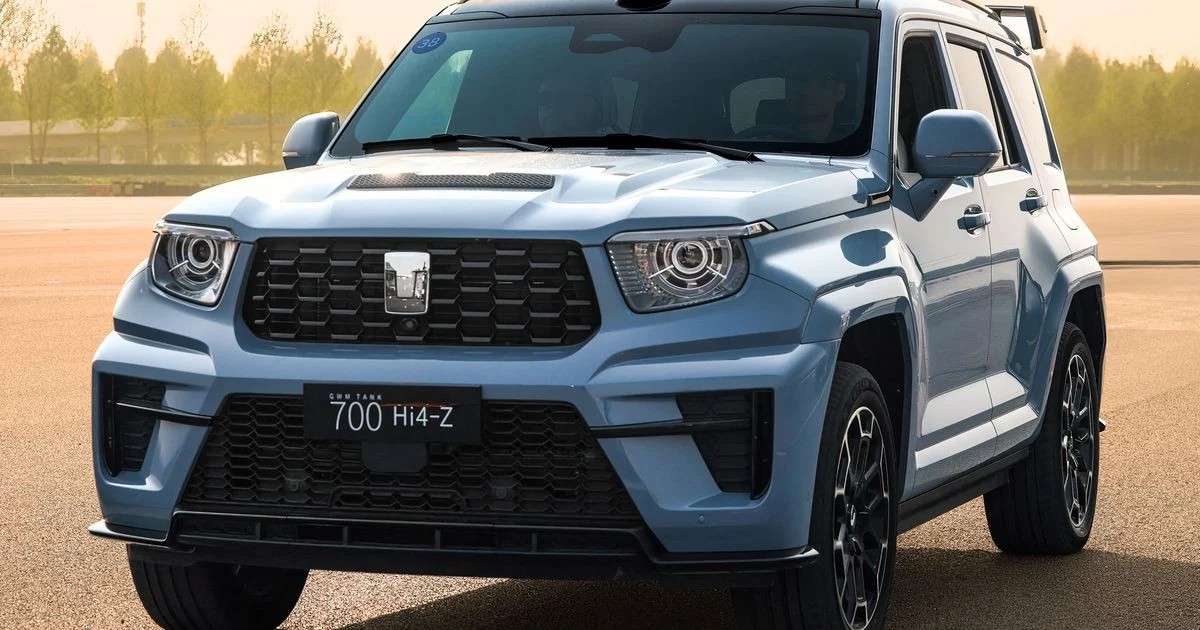
Компанія Great Wall Motor (GWM) переносить фокус своїх інженерних розробок на міжнародні ринки, орієнтуючись на переваги австралійських та новозеландських водіїв. Компанія оголосила про плани оснастити свій флагманський позашляховик Tank 700 двигуном V8 — крок, який суттєво йде врозріз із поточними автомобільними трендами у материковому Китаї.
Стратегічний відхід від китайського ринку
У Китаї автомобільна промисловість стрімко рухається у бік малооб’ємних двигунів та повної електрифікації. Двигуни великого обсягу V8 у цьому регіоні зустрічаються все рідше. Однак голова GWM Джек Вей зазначає, що такий «протилежний» підхід є усвідомленим рішенням, яке покликане задовольнити глобальних споживачів, які все ще потребують високої потужності та великого обсягу силових установок.
Хоча GWM також розробляє високопродуктивний двигун V8 для майбутнього суперкара (вихід очікується в 2027 році), V8, призначений для Tank 700, це стандартний двигун, спроектований для практичності і довговічності, а не для гонок по треку.
Потужність, адаптована для буксирування та бездоріжжя
Розробка цього двигуна V8 має вигляд стратегічного розвороту. Відомо, що спочатку цей агрегат призначався для повнорозмірного пікапа, який повинен був конкурувати з американськими гігантами на кшталт Ford F-150 і Ram 1500. Після того, як GWM призупинила свої плани виходу на ринок США, Tank 700 став найбільш логічною платформою для розміщення цієї потужної силової установки.
Ключові технічні деталі запропонованої конфігурації:
- Гібридна інтеграція: Замість традиційного чисто бензинового двигуна GWM, за повідомленнями, розглядає конфігурацію Plug-in Hybrid (PHEV) з V8.
- Принцип роботи: Система повинна функціонувати переважно як електромобіль (EV) на низьких швидкостях, тоді як двигун V8 буде підключатися у сценаріях з високим навантаженням, таких як буксирування важких причепів або складне бездоріжжя.
- Ринкова специфіка: Роблячи ставку на гібридний V8, GWM прагне заповнити прогалину між традиційною потужністю для важких умов та сучасними екологічними вимогами.
Що це означає для австралійського ринку
Для австралійських водіїв Tank 700 є прямим викликом визнаним іконам важкого класу, таким як Toyota LandCruiser. Австралійський ринок має унікальний попит на великі позашляховики з рамною конструкцією, здатні буксирувати значні вантажі — потреба, яка часто ігнорується світовим трендом на перехід до малопотужних чотирициліндрових двигунів.
Хоча GWM офіційно не підтвердила дату запуску в Австралії, компанія зробила серйозний натяк на це. За наявними даними, GWM Australia може дочекатися виходу наступного покоління Tank 700, щоб уявити саме цю гібридну установку V8, пропустивши поточну лінійку на базі V6, що пропонується в Китаї.
Поточне порівняння: силові установки Tank 700
Щоб зрозуміти масштаб майбутнього оновлення, корисно поглянути на поточні варіанти двигунів Tank 700:
| Тип двигуна Потужність | Крутний момент |
| :— | :— | :— |
| 3.0L Turbo V6 (Бензин) | 260 кВт | 560 Нм |
| Hi4-T (PHEV) | 385 кВт | 800 Нм |
| Hi4-Z (PHEV) | 720 кВт | 1375 Нм |
Примітка: Пропонований гібрид V8 націлений на створення спеціалізованого рішення з високим моментом, що крутить, оптимізованого спеціально під важкі умови експлуатації в регіоні Океанії.
Стратегія GWM відображає розуміння того, що у світовому автомобільному ландшафті «єдиного стандарту не існує»: те, що працює в міських центрах Китаю, може не підійти для суворих умов австралійського аутбека.
Висновок
Розробляючи гібридний V8 спеціально для Tank 700, GWM намагається зайняти свою нішу в сегменті преміальних важких позашляховиків, безпосередньо відповідаючи на унікальні запити австралійського та новозеландського ринків у галузі буксирування та їзди бездоріжжям.