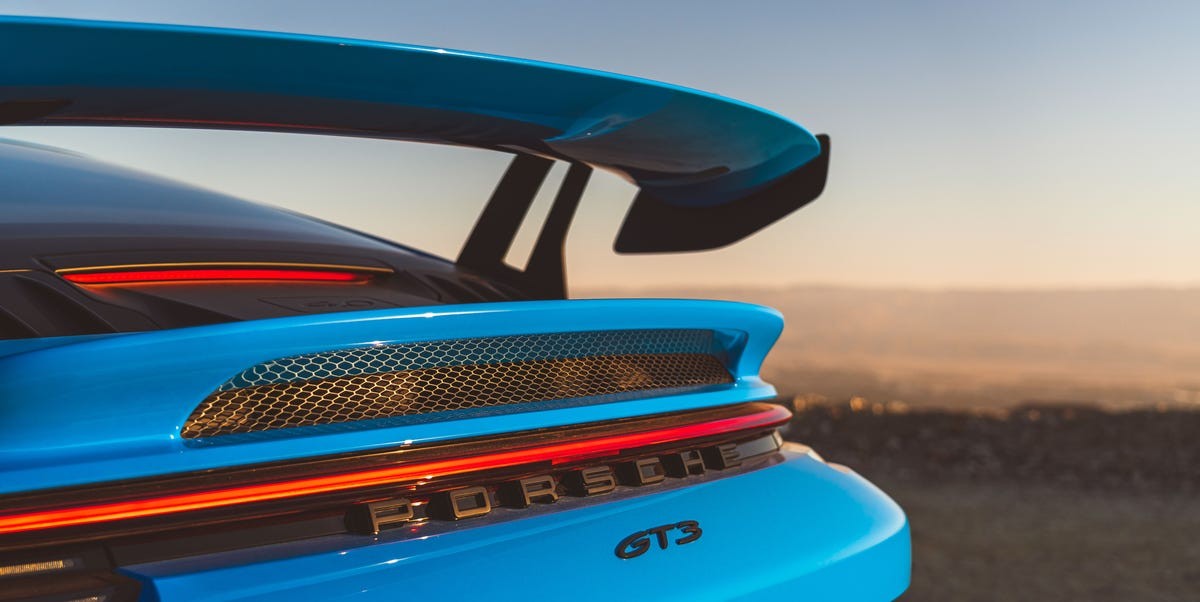
For over two decades, the soul of the Porsche 911 GT3 has been defined by a single, uncompromising characteristic: its naturally aspirated 4.0-liter flat-six engine. This “free-breathing” power delivery provides a linear, high-revving experience that purists have cherished since the model’s debut in 1999. However, new insights suggest that this era of pure, unforced induction may be nearing its conclusion.
The Regulatory Pressure Cooker
The primary driver behind this potential shift isn’t a lack of engineering prowess, but rather a tightening net of environmental regulations. Andreas Preuninger, the head of Porsche’s GT division, recently signaled that the current engine configuration faces a difficult future, particularly in the European market.
While the engine might still find a home in the United States for a few more years, the regulatory landscape in Europe is much more aggressive. The European Union has set ambitious 2030 emissions goals, targeting a 55% reduction in greenhouse gas emissions compared to 1990 levels.
Meeting these targets requires more efficient ways to manage power and emissions, which often necessitates “forced induction”—the use of turbochargers to squeeze more energy out of less fuel.
A Divergence in Markets? Unlikely
One might wonder if Porsche could simply produce two different versions of the GT3: a naturally aspirated version for the U.S. and a turbocharged version for Europe. From a business and engineering standpoint, this is highly improbable.
Developing two distinct models would require:
– Dual homologation processes: Each version would need separate regulatory testing.
– Increased R&D costs: Building two different powertrain architectures is significantly more expensive.
– Logistical complexity: Managing two different production lines for a single model line is inefficient.
Consequently, Porsche is likely to design a single, global powertrain that meets the strictest standards—meaning the EU regulations will likely dictate the global future of the GT3.
The Identity Crisis of the GT Lineup
If Porsche does move toward turbocharging for the GT3, it creates a ripple effect of questions for the rest of their high-performance stable. The GT division relies on clear distinctions between its models to maintain its hierarchy:
- The GT3 vs. The GT2: Traditionally, the GT3 is the naturally aspirated, high-revving specialist, while the GT2 is the turbocharged powerhouse. If the GT3 adopts a turbocharger, the logical distinction between these two legendary models begins to blur.
- The Future of the 718 and GT4: With rumors swirling about the 718 returning with both electric and combustion options, the entire roadmap for Porsche’s mid-engine performance cars is under scrutiny.
“In America, I don’t know. Quite some time, maybe. In Europe, probably only a few years without any substantial changes.” — Andreas Preuninger on the future of the GT3 engine.
Conclusion
The transition to turbocharging would represent a massive shift in Porsche’s engineering philosophy, trading the raw, visceral response of a naturally aspirated engine for the efficiency required by modern law. While it may preserve the GT3’s performance, it fundamentally alters the identity of one of the world’s most iconic driving machines.