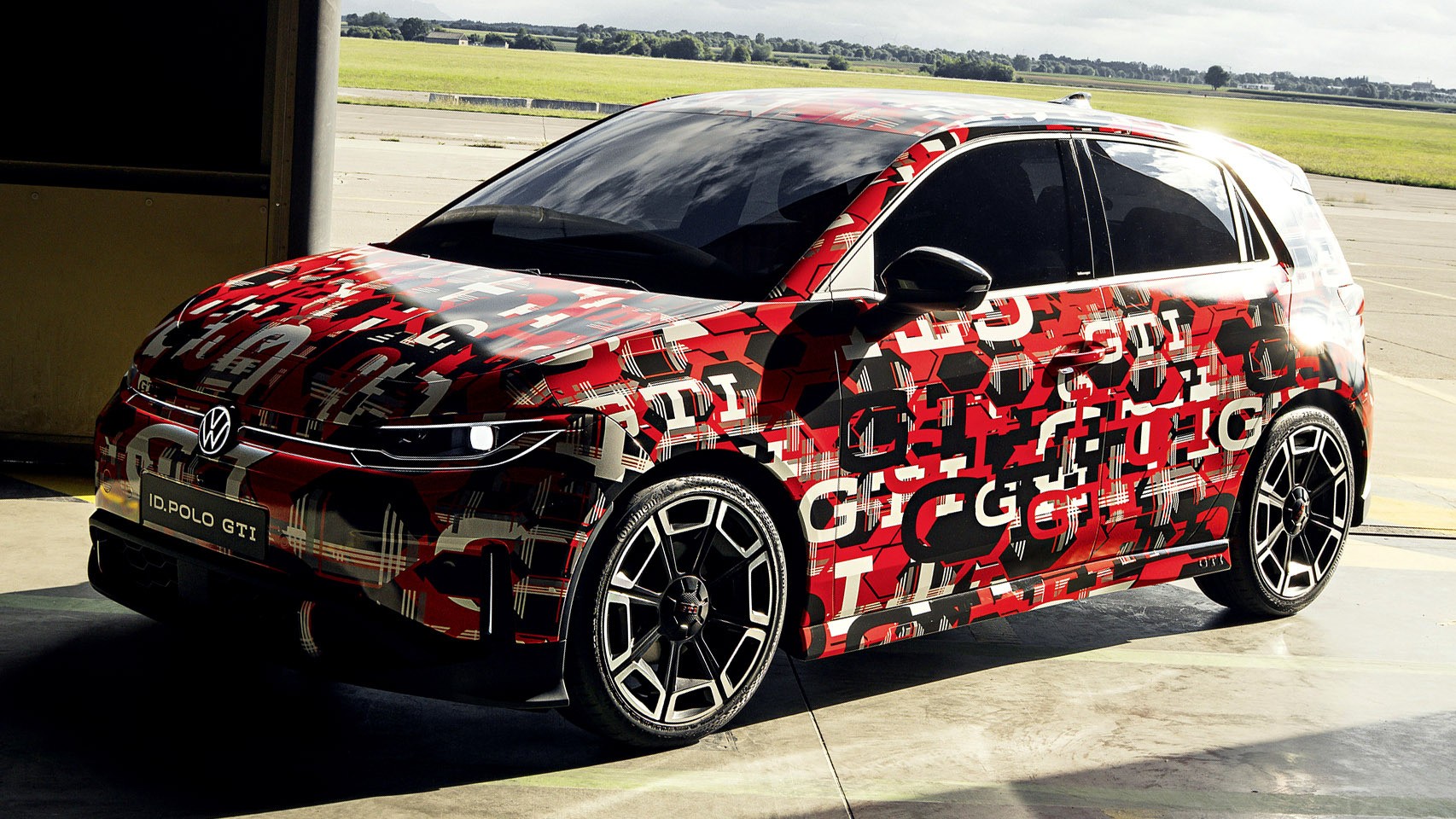
Volkswagen is reportedly developing a high-performance ID. Polo GTI Clubsport, an electric hot hatch that could challenge rivals like the Opel Corsa GSE and Peugeot e-208. While the base ID. Polo GTI has not yet officially launched, internal plans suggest a more aggressive variant is in the works, featuring significantly increased power and controversial driver-engagement features.
The most notable development is VW’s reconsideration of simulated gear shifts and artificial engine sounds. Although VW previously rejected these features for the standard GTI, executives are now exploring a system similar to Hyundai’s N brand technology to mimic the feel of a traditional combustion engine.
Power Output and Competitive Positioning
The proposed Clubsport model would represent a substantial leap in performance over the expected standard ID. Polo GTI. According to reports from Autocar, the Clubsport could deliver approximately 282 hp (210 kW), compared to the standard model’s anticipated 223 hp (166 kW).
This power increase places the VW squarely in competition with the upper echelon of electric hot hatches. The current landscape includes:
- Peugeot e-208 GTI / Opel Corsa GSE: 276 hp (206 kW), with the Opel sprinting to 62 mph in 5.5 seconds.
- Mini John Cooper Works: 255 hp (190 kW).
- Alpine A290 GTS: 215 hp (160 kW).
While the standard ID. Polo GTI is expected to match or slightly exceed the Alpine and Cupra Raval, it would fall short of the Mini and Stellantis offerings. The Clubsport’s higher output aims to close this gap, potentially offering acceleration times that rival the 5.5-second benchmark set by the Opel.
Mechanical Enhancements Beyond Horsepower
Performance upgrades for the Clubsport are not limited to motor output. VW engineers are reportedly considering replacing the standard electronically controlled limited-slip differential with a fully mechanical setup. This change is designed to improve front-axle behavior, providing sharper handling and a more direct connection between the driver and the road—qualities often cited as missing in purely software-defined electric vehicles.
The Debate Over “Fake” Engagement
The most significant aspect of the Clubsport’s development is its approach to driver engagement. VW dynamics chief Florian Umbach confirmed that the company is developing a paddleshift power delivery system inspired by the Hyundai Ioniq 5 N.
This system uses software to modulate motor torque, creating the sensation of gear changes and rev-matching. It would be accompanied by an audio soundtrack designed to replicate the sound of a combustion engine.
“It’s all about motor control and an audio soundtrack to match,” Umbach stated, indicating that these features were previously tested on the 2023 GTI concept but had not been ruled out for higher-performance variants.
This strategy highlights a growing trend in the electric vehicle market: simulating traditional driving dynamics to retain enthusiast appeal. While purists may argue that artificial shifts and sounds dilute the authenticity of the GTI badge, VW recognizes that many drivers miss the tactile interaction and auditory feedback of internal combustion engines. By offering these features, VW aims to bridge the emotional gap between traditional hot hatches and their electric successors.
Conclusion
The potential ID. Polo GTI Clubsport represents VW’s attempt to blend high-performance electric capabilities with the nostalgic driving experience of a traditional hot hatch. By boosting power to nearly 282 hp and introducing simulated shifting and engine sounds, VW seeks to compete directly with rivals like the Opel Corsa GSE while addressing the emotional disconnect some drivers feel with electric vehicles.