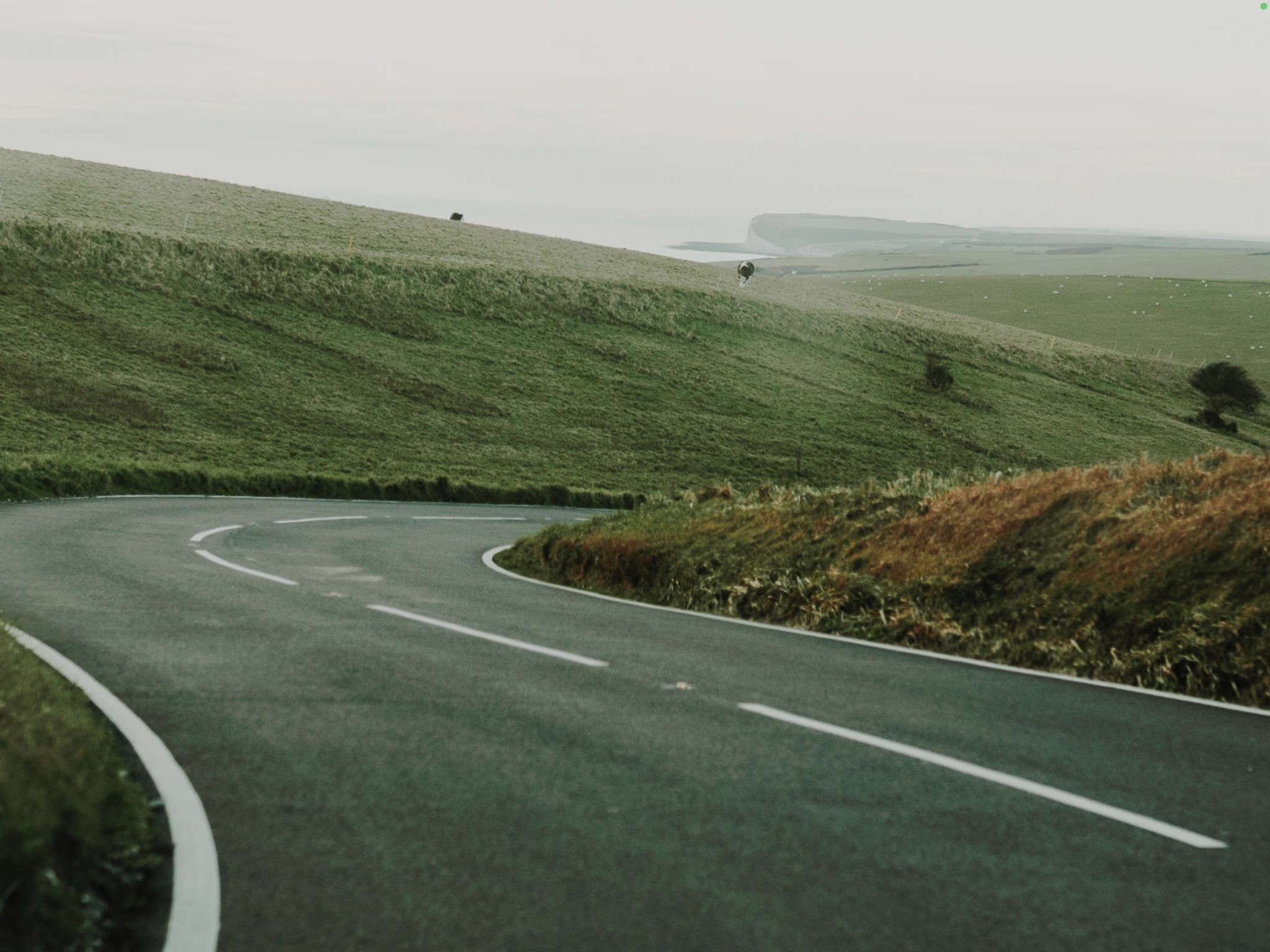
The British landscape is messy. Beautifully messy. It’s got rolling green hills one minute, then jagged coastlines, then Victorian brick cities, all stitched together by asphalt. Most guides tell you to hop on the rail network. Good for the gridlocked commuter. Bad for the soul.
Why?
Because a timetable is a cage.
Road travel isn’t about efficiency in the spreadsheet sense. It is about the freedom to miss the point, and in doing so, find it.
Get Off the Beaten Path
Public transport connects hubs. It gets you from A to B with terrifying reliability. It does not stop for that stone cottage tucked behind a hedge on the edge of the Pennines.
That is the first win.
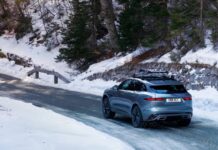
When you drive, the road decides what you see, not a ticketmaster. You pull over at a viewpoint nobody mentioned. You find a village pub with a sign painted on wood. These aren’t mistakes; they are the actual destination.
You control the clock. Did the light look nice there? Stay an hour longer. Boring museum? Skip it. The rigidity of the bus schedule dies at the turn of the key. It leads to something rawer. A trip that feels like yours and not a brochure copy-paste.
Coaches Are For The Socialite
Don’t want to drive? Fine. Rent a coach.
It sounds clunky, outdated maybe. But watch how families do it. Schools. Sports clubs. There is a specific joy in staring out the window while someone else worries about the map. Modern coaches have room to move, space for bags, seats that don’t hurt your lower back.
Traveling in a pack turns the commute into part of the event.
It simplifies the headache. No arguing over who drives next. No one playing navigator who is actually giving you the wrong directions. It creates a bubble. For three hours, you are a unit, rolling through the country, socialising, laughing, complaining. It is efficient, sure, but mostly it is shared. And that matters more than saving ten minutes on the motorway.
The View Is The Product
Some landscapes demand speed to appreciate their scale. Others demand slowness. The Scottish Highlands don’t care how fast your train moves; they want you to sit with the grey sky and the granite.
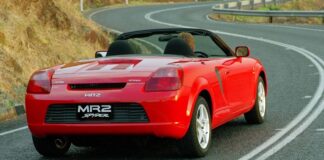
Driving lets you do both. You hit the open stretch when you want to fly, then crawl along the coastal cliffs when the view drops off the edge. You stop at a trailhead. You turn into a car park that has no sign on the map.
Planning matters, but not the boring kind. You want a route that aligns with where your eyes want to look. Countryside? Coast? Ancient stone circles?
Put the dots together with a line that follows the curve of the land, not the straight line of a rail spur. The drive is the memory. The destination is just where you stop for tea.
The Ultimate Flex
Think about logistics for a second. It is dull work, but road travel removes the friction.
You have your gear. Your camera bags, your hiking boots, that weird umbrella you swear you need. No size limits at check-in. No rushing between platforms.
You park next to the museum. You park next to the garden. You park next to nothing, which is often better.
Weather changes in an hour in the UK. A train gets you to a place, period. A car lets you pivot. Rain starts? Head indoors to that independent art gallery. Sun comes out? Drive up to the hilltop fort. The itinerary breathes.
It is less organized, perhaps. It requires more mental bandwidth. You have to drive, after all. But the reward is control. Direct, unfiltered control over where your wheels point and when your day ends.
The UK is not a checklist. It is a texture. You cannot scan it. You have to feel the surface. And nothing feels like the surface like your own tires on a B-road, heading into the fog, unsure exactly where you will end up, but perfectly content not to know.
What do you leave behind when you never leave the platform? 🌫️🚗